
Introduction
Have you ever wondered why two apparently identical motors behave so differently in the field? In Electrical Motor Products, small choices during design or sourcing can change uptime, efficiency and maintenance costs—sometimes by 20–40% according to service logs I’ve reviewed. Picture a production line: one batch runs smoothly, another stops for repeated overcurrent trips. What’s actually causing the gap? (I’ve seen factories shrug and call it “just variation”.)

I’ll be honest: I’ve been on both sides of that line—design rooms and shop floors—and I care about fixing the gap. The rest of this piece walks through what’s really going wrong beneath the surface, then points to practical ways forward. Let’s start by peeling back the traditional assumptions engineers lean on.
Why Traditional Designs Miss the Mark
When I inspect an ac motor and controller, the first thing I look for is the mismatch between control strategy and mechanical load. Too often, a straightforward PWM inverter is paired with a complex, variable torque profile and—surprise—torque ripple, vibration and premature bearing wear follow. This is where sensorless control myths also bite us: yes, you can cut cost on encoders, but the trade-off in transient response and torque accuracy can double your tuning time and field callbacks. Look, it’s simpler than you think: the controller choice should match the mechanical reality, not the budget line item.
I want to call out a few repeated technical weak points I see. First, under-rated power converters and inadequate thermal margins. Engineers specify just enough headroom to hit the target—but then real duty cycles exceed lab test profiles. Second, over-reliance on generic servo drive firmware; off-the-shelf tuning rarely suits a custom mill or conveyor. Third, insufficient diagnostic telemetry—no edge computing nodes or detailed fault logs—so teams chase symptoms, not causes. These flaws add hidden cost: downtime, extra maintenance, and lower throughput. If you’re responsible for uptime, these are the details that matter most.
Where does the pain show up?
It shows up late at night when a line trips for a reason no one predicted. It shows up in warranty claims and in the slow burn of customer dissatisfaction. I’ve learned that acknowledging those small design compromises early saves far more than trying to patch them later.
Where We Go From Here: New Tech and Practical Choices
Moving forward, I favour a mix of pragmatic engineering and selective tech adoption. For example, modern model-based control and adaptive tuning cut commissioning time and smooth torque curves—but only when paired with the right sensors. That’s why I recommend teams evaluate motor control products such as integrated drives with built-in diagnostics and fast communication. In future-facing systems, combining better firmware with moderate sensor suites (Hall sensors, incremental encoders) often gives the best return on investment—no need to overcomplicate.
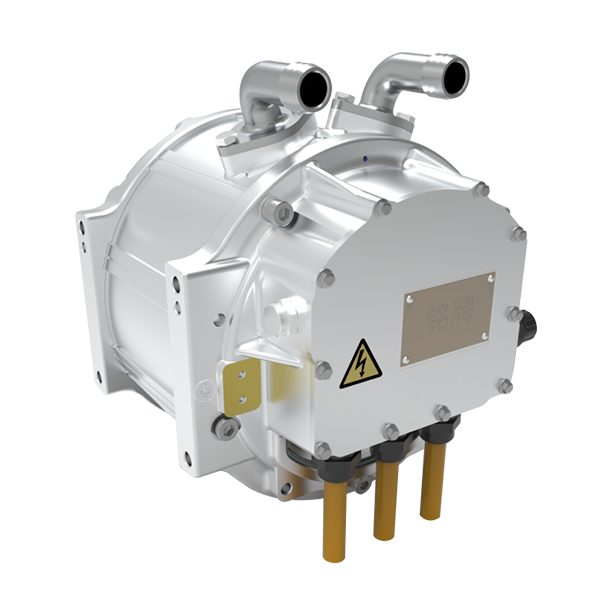
What I like about this approach is its clarity: pair realistic load models with controller capability, and you reduce surprises. Case studies show that swapping to smarter control hardware and clearer telemetry reduces mean time to repair by weeks—funny how that works, right? Still, don’t abandon common sense: test on the actual line, capture real duty cycles, and iterate.
What to measure — and why it matters
When you’re comparing options, focus on three metrics I use as a checklist: thermal margin (how close components run to their thermal limits), dynamic torque accuracy (how well the controller tracks changing load demands), and diagnostics depth (how actionable the fault logs are). Measure these directly with real loads; bench numbers lie. I suggest scoring each candidate solution on those three axes before committing to a platform.
To wrap up, I’ve walked through why traditional solutions often fall short, what hidden pains they create, and how to pick better paths forward. I’m convinced that small, deliberate changes—smarter controllers, realistic thermal design, and richer telemetry—deliver measurable gains in uptime and cost of ownership. In our work, that pragmatic blend of engineering and judgement makes all the difference. For practical sourcing and product options, take a look at Santroll.