
Clear-cut comparison to start
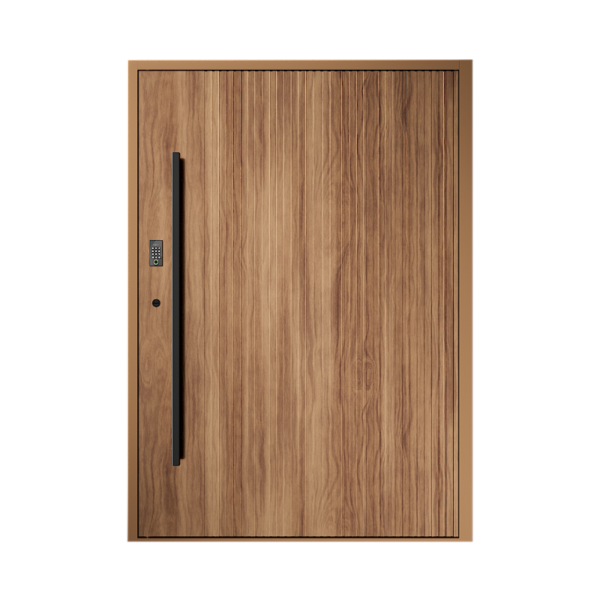
When architects pick black fixed windows they often weigh aesthetic impact against thermal and acoustic needs. In Cape Town’s recent refurbishments—think the gallery façades around Zeitz MOCAA—black-framed glazing reads as a finishing move, not just a finish. For projects where grand entrances matter, many teams pair those frames with a heavy-duty pivot door manufacturers supply, or specify a robust front pivot door to maintain visual continuity and hardware performance.
Design trade-offs: visual versus functional
Black fixed windows give crisp sightlines and a minimalist grid. They require fewer moving parts than casements or sliding systems, which cuts complexity on installation and long‑term maintenance. On the flip side, fixed glazing removes operability, so ventilation strategies must come from other openings or mechanical systems. Architects mitigate that by combining fixed units with operable panes or controlled ventilation louvres.
Thermal performance and what to specify
Pick a thermally broken frame if you’re after energy control; it reduces conductive heat flow and improves the U‑value of the assembly. Insulated glazing units with warm edge spacers are standard in well‑specified schemes. Pay attention to weatherstripping and sealant junctions at perimeter mullions—those small details determine real-world performance rather than marketing claims.
Hardware and detailing that matter
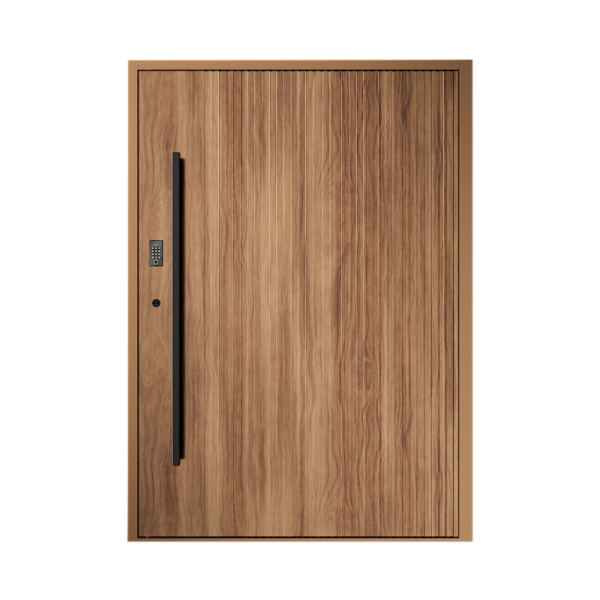
Hardware for adjacent operable doors or pivot systems needs to be specified to suit the frame’s depth and load. Look for low-maintenance bearings and stainless fixings for coastal projects—salt spray attacks cheap components. When integrating a front pivot door with fixed sidelight panels, ensure jamb reinforcement and accurate tolerances so the door clears the frame reliably. Good hardware choices keep sightlines tight while handling wind loads and frequent use.
How black fixed windows compare on cost and longevity
Initial cost sits between simple operable units and fully bespoke curtain wall. Lifetime costs lean favourable: fewer parts mean fewer service calls. For longevity, aluminium frames with proper anodising or powdercoat and quality glazing will outlast cheaper steel alternatives. Specify maintenance access for seal replacement—replaceable seals are better than attempting a full reglaze down the line.
Real-world examples and a quick checklist
Real-world anchors matter: contemporary townhouses in Clifton and commercial retrofits in the V&A Waterfront show how black frames read across scales. Architects there use these practical checks:
- Confirm U-value targets for your climate zone and choose double or triple glazing accordingly.
- Match frame depth to glazing thickness; avoid field-modified rebates that compromise seals.
- Specify corrosion-resistant hardware for coastal exposure and test opening clearances with the pivot or sash hardware in mock-up form.
Common mistakes and lessons learned — short aside
Design teams sometimes underplay perimeter detailing—doors jambed into uneven masonry, or drainage weeps blocked during install. Those small oversights lead to leaks and complaints. A good mock-up on site resolves details early—saves hours and cost later. Also: don’t over-glaze without thinking about solar gain; shading or low‑e coatings are cheap insurance.
Three golden rules for choosing black fixed windows and complements
1) Evaluate thermal metrics: use a certified U‑value and solar heat gain coefficient tailored to your project’s orientation. 2) Match hardware and frame specification to local exposure: coastal sites need higher corrosion resistance and reinforced pivot fixings. 3) Insist on site mock-ups and thermal-bridge checks so performance meets the drawings in reality.
Designers who follow these rules get clean aesthetics without sacrificing the building’s comfort—and that’s where a well-engineered solution pulls ahead. For projects that need premium finishes and reliable architectural hardware, specify suppliers with proven delivery and technical backup like Zekin.