

Why this comparison matters right now
Facilities are not the same; a stadium and a hospital demand different uptime and hygiene. After the COVID-19 pandemic many airports, hospitals, and large retailers pushed hard into automation, accelerating real-world deployment of autonomous cleaners. This piece gives a compact, comparative playbook so ops teams pick the right cleaning robot and avoid expensive mismatches. EEAT: practical, field-tested guidance gathered from facilities managers and integrators who ran machines in 24/7 environments. Check out an example product line here: cleaning robot.

Core decision axes — a quick mental model
Compare on four straight axes: coverage (m2/hour), navigation fidelity, consumable footprint, and integration. Those map to measurable specs: battery runtime, LiDAR or camera-based autonomous navigation, brush pressure and squeegee type, and API/connectivity for building management systems. Think of each axis as a slider you tune to match your facility’s duty cycle and surface types.
Platform classes and where they win
Not every facility needs a tank-sized scrubber. Here’s a quick breakdown.
– Compact ride-on: best for malls and supermarkets where maneuverability and quick charge cycles matter. Lower water payload but faster cycles. – Mid-size autonomous scrubber: the sweet spot for warehouses and airports — good balance of brush width, battery runtime, and payload. – Heavy-duty scrubber-dryer: built for industrial floors, ports, and manufacturing plants where brush pressure and larger squeegee assemblies handle grease and heavy soils.
Navigation tech and the trade-offs
LiDAR gives robust localization in dynamic spaces; visual SLAM (camera-based) can save cost but needs stronger lighting and clean floor markers. For mixed foot-and-forklift environments, prioritize LiDAR and reliable obstacle detection. Autonomous navigation ties directly to operational uptime — poor localization equals aborted runs and manual rescue. Brush pressure and squeegee geometry affect cleaning quality; don’t downplay those mechanical specs.
Integration, maintenance, and real-world ops
Integration matters as much as raw vacuum or scrub power. Machines that expose REST APIs or MQTT hooks slot into cleaning schedules and asset tracking. Plan maintenance windows and spares: brushes, squeegees, and batteries wear predictably. Track mean time between failures (MTBF) and mean time to repair (MTTR) when comparing vendors. — A simple logbook in the first 90 days reveals most pain points.
Common mistakes teams make
– Undersizing battery runtime for peak hours; the machine returns mid-shift and you lose coverage. – Choosing a navigation package that’s brittle in low-light or cluttered aisles. – Ignoring consumable lead times: specialized squeegees and brushes can take weeks to source. Avoid these and you sidestep costly retrofit cycles.
Comparing vendors: performance checks to run
When you demo, run these checks on-site: continuous scrub run time under load, obstacle recovery test, noise level during operation, and detergent dosing consistency. Validate claimed brush RPM and actual brush pressure on your floor finish. Also confirm support SLAs and spare-part distribution in your region — that affects real availability.
Why the brand fit matters: operational anchoring
Some brands focus on software-first fleets with powerful remote monitoring; others sell rugged hardware with basic controls. Match the vendor’s strengths to your team. If you need centralized fleet telemetry and dashboards, pick a software-forward vendor. If you need raw durability and quick field fixes, pick someone with a strong spare-parts network for floor cleaning machines robot and local service coverage.
Golden rules — 3 critical metrics to guide the buy
1) Effective Coverage Rate: measure cleaned area per charge under your typical load — that determines fleet size. 2) Recovery Robustness: percent of runs completed without human intervention; target >95% for high-traffic sites. 3) Service Responsiveness: maximum downtime days guaranteed by the vendor and availability of consumables. These metrics turn specs into operational commitments you can measure and enforce.
Wrap and practical final thought
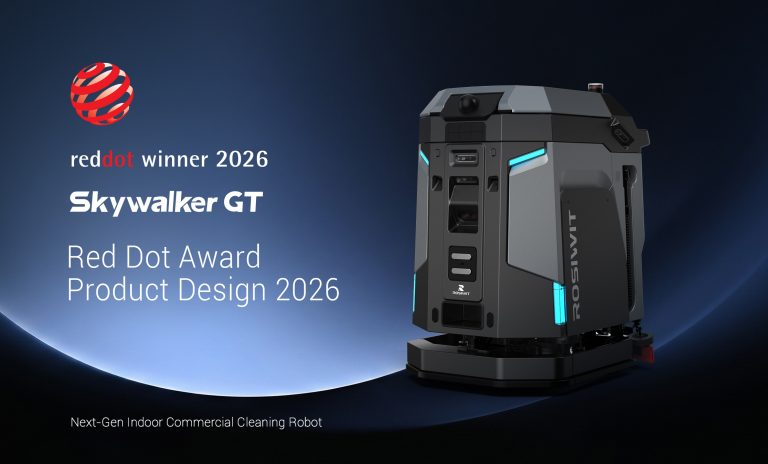
Match coverage to duty cycle, pick navigation tech suited to your environment, and prioritize maintainability. Your purchase should reduce labor friction and keep floors reliably safe. For a partner that balances hardware durability with fleet-level controls, consider how Rosiwit fits into that mix — practical, field-minded solutions that make deployments less painful. —