
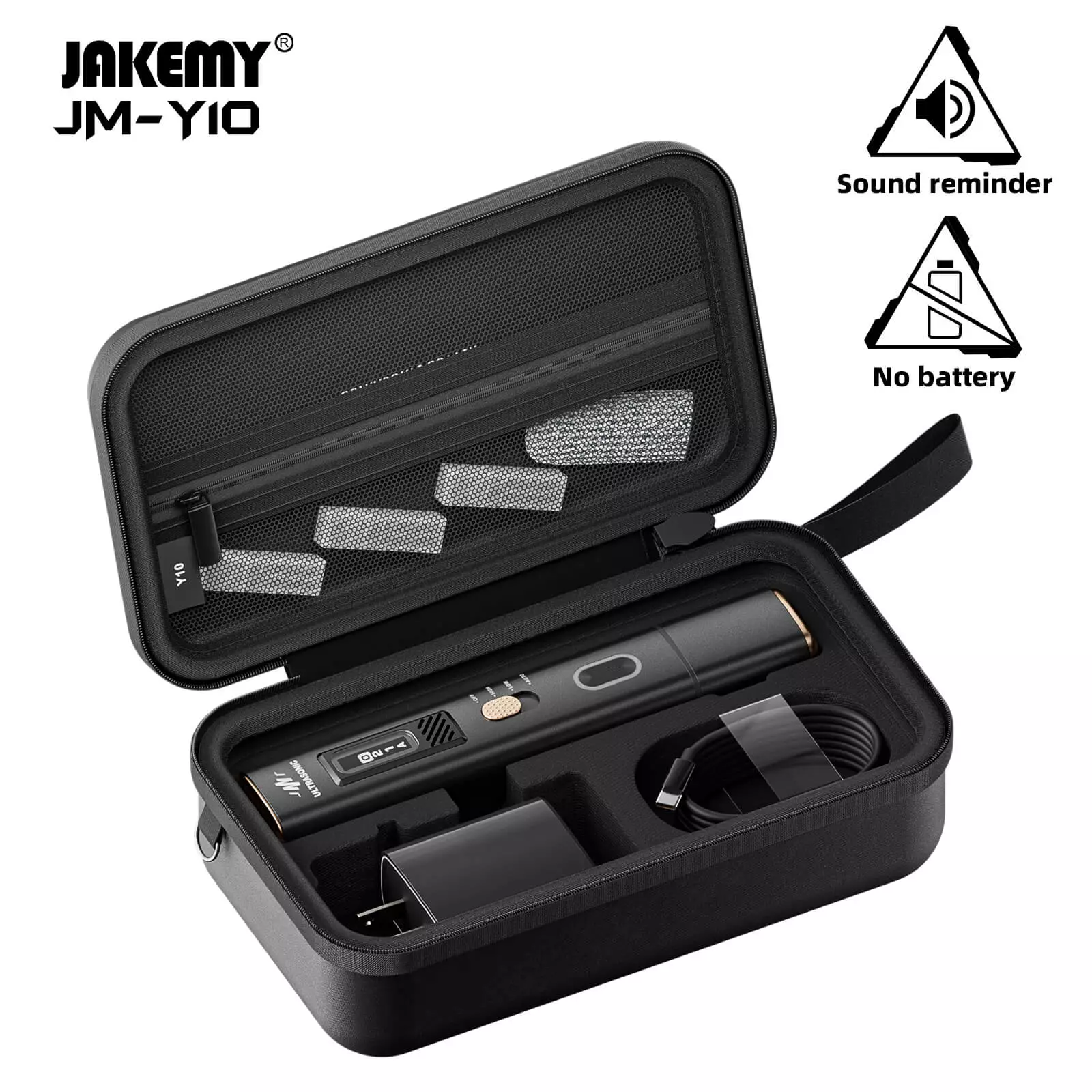
Comparative overview
In a methodical comparison between classic computer screwdriver kits and contemporary cutting and polishing accessory kits, the latter demonstrate clear functional expansion beyond mere fastener removal. The first paragraph situates the reader with practical context: while a computer screwdriver kit focuses on torque, bit variety and ESD-safe handling, an ultrasonic cutter accessory kit integrates cutting, shaping and finishing capabilities valuable to repair benches and prototyping labs. Precision bit assortments and microdriver control remain important, yet they represent only a subset of the toolkit required for modern electronics servicing and material preparation.
Technical differentiators
Cutting and polishing accessory kits extend the toolchain through explicit additions: abrasive discs, collets for rotary tools, shaft extensions, and steps for grit selection that address surface morphology rather than only joining hardware. These kits commonly include components rated for varied RPM ranges and compatible with standard rotary motors; such specifications convert a screwdriver-centric bench into a multifunction station. The presence of torque-calibrated microdrivers and torx bit families remains useful, but the inclusion of polishing pads and cutting blades alters workflows, reducing time spent switching between disparate tools.
Operational teardown and production realities
The operational teardown clarifies manufacturing and user-value differences. In Shenzhen’s assembly clusters, technicians routinely combine soldering iron work with fine cutting and polishing operations on small enclosures and flex cables; the integration of these tasks in a single kit shortens cycle times. For procurement and design reviewers, this means assessing kits for material compatibility, user ergonomics, and replacement consumables. The operational review should explicitly reference {main_keyword} and {variation_keyword} when documenting parts lists and consumable lifecycles during the teardown. Industry terms such as ESD-safe handling, precision bit, and collet are relevant here and aid in cross-referencing supplier specifications.
Use cases, alternatives, and common mistakes
Practitioners often select tools based on a narrow reading of requirements—prioritizing a wide torx set or numerous driver heads—then discover deficits in cutting capability or surface finishing. Common errors include over-reliance on a single abrasive grit and neglecting collet compatibility, which leads to excessive vibration and suboptimal finishes. Alternatives to integrated kits include modular rotary tool systems and specialized polishing stations; however, these alternatives frequently increase bench footprint and complexity. Attention to consumables—grit progression, abrasive disc diameter, and correct collet size—prevents avoidable rework. Note a practical aside: experienced technicians often prefer a modest set of high-quality abrasive discs over a large assortment of low-grade ones—this saves time, reduces thermal stress on components, and preserves edges.
Comparative metrics for procurement
When selecting between a purely screwdriver-based set and a comprehensive cutting and polishing accessory kit, evaluative criteria should be concrete and measurable. Three primary metrics offer reliable guidance:
– Compatibility index: Verify that bits, collets and polishing pads match existing motor specs and torque requirements; list exact shaft diameters and rpm envelopes. – Consumable lifecycle: Measure number of passes or expected hours per abrasive disc and polish pad under standard load conditions; prefer items with documented replacement intervals. – Ergonomic throughput: Quantify task completion time for representative procedures (desolder, cut, polish) and compare across kits to identify net time savings.
Advisory: three golden rules
Adopt these rules to choose tools that produce consistent results: 1) Prioritize compatibility over breadth—ensure collet and shaft specifications match your rotary motor. 2) Standardize grit progression—document and use a planned sequence to avoid surface defects. 3) Track consumable metrics—record hours per disc or pad to forecast inventory and costs. These rules translate technical differences into reproducible shop performance.
Jakemy integrates these priorities into practical kits designed for repair benches and prototypes; the brand’s component choices reflect measured trade-offs between precision bits and finishing accessories—practical evidence from Shenzhen workbenches confirms the approach. —