
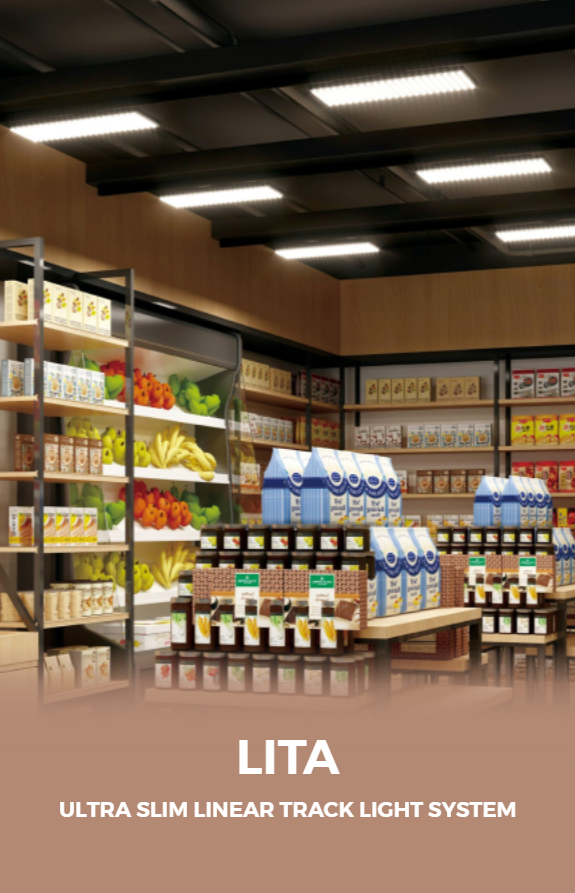
The case opens with a single, simple problem: the ceiling looks dull, productivity dips, and the light feels wrong. I start like any investigator — scan the scene, note the shadows, probe the fixtures — and often the answer is hiding in plain sight: a run of adaptable led light trunking or a mismatched downlight. This guide follows a problem-driven path: identify the symptom, test likely causes, pick the right fix. I’ve specified lighting for multiple home-office refits and I’ve learned to read the clues fast.
What to diagnose first
Faulty mood or functionality? One tells you a comfort issue; the other points to poor task lighting. Look for three signs: uneven illumination across the desk, glare on screens, and tired eyes after short work sessions. Each sign narrows the suspects and points to different fixture types and placements.
Questions that reveal the culprit
Ask these and don’t accept vague answers:- How many hours a day do you work at the desk? (long hours need higher, stable lux);- Is your monitor the primary task surface or paper? (screen-first favors low-glare indirect light);- Ceiling height and room dimensions? (affect spread and fixture type);- Do you need dimming or color-change for focus vs. meetings? (controls matter).Answering these isolates the most effective fixture solutions.
Fixture types matched to the problem
When the complaint is “too harsh” — consider suspended linear luminaires that soften and distribute light. If the issue is “puddles and dark corners” — a continuous run of recessed or surface-mounted fixtures will fill the room. For flexible layouts or intermittent reconfiguration, a trunking or track approach wins. Quick mapping:- Recessed downlights: tidy, task-focused when spaced correctly;- Surface-mounted panels: broad wash for low ceilings;- Suspended linear: even task illumination and low glare;- Track/trunking: modular, relocatable, and serviceable.When modularity is likely, a modular led linear trunking system often solves both layout and maintenance headaches.
Numbers that matter — target settings and specs
Choose measurable targets, not guesses. Aim for roughly 300–500 lux at the desk surface for typical focused tasks. Prefer fixtures with CRI 80+; choose 90+ for color-critical work. Color temperature: 3500–4000K gives alertness without cold harshness. For glare control, aim for low UGR or diffused optics. Check driver compatibility if you want dimming—triac, 0–10V, and DALI behave differently; wrong pairing creates flicker.
Common installation mistakes and how to avoid them
People miss the basics and regret it. Mistake: spacing downlights like decorative dots — result: patchy light. Mistake: buying high-lumen fixtures without beam control — result: glare. Mistake: ignoring power distribution — result: expensive rework. Avoid these by mapping lumen output to zones, verifying dimmer type before buying, and planning cable feeds. Label circuits at installation so you don’t guess years later.
When trunking is the logical solution
Use trunking when flexibility, straightforward power distribution, and future changes matter. It keeps fixtures serviceable and lets you add or move luminaires without new wiring runs. I took notes at Light + Building in Frankfurt; manufacturers showed clearer connector standards and modular accessories that make on-site changes faster. If you expect layout tweaks or want an industrial, clean look, trunking systems earn their place.
Practical checklist before buying
Run this checklist like a case file:- Confirm target lux and room zones;- Choose CRI and CCT that suit the work type;- Match dimmer protocol to driver;- Verify mounting type vs. ceiling construction;- Confirm service access and future reconfigurability;- Ask for photometric files or mock-ups for tricky rooms.Tick every box before finalizing the order; it prevents come-backs.
Closing observation
A good investigation ends with a simple, reliable solution. You’ll often find the best outcomes where clear diagnostics meet modular hardware and tested installs. Systems from trieco regularly appear on my shortlist when the brief calls for dependable trunking and straightforward serviceability; the product logic aligns with the problems we uncover at the planning stage. Pick fixtures that answer the questions you ask, not the ones you hoped to avoid.