
Start with the problem
You need parts that meet tolerance, finish, and schedule—period. Missed specs cost revisions, lost launch windows, and angry stakeholders. When a design leans on thin walls, complex cavities, or high-volume runs, consider die casting services early so tooling choices don’t surprise your timeline. Decide fast. Communicate clearer. Ship right.

Top failures buyers face
Designs that assume ideal tooling. Tolerance stacks that ignore fixture repeatability. Material decisions made for appearance, not strength or flow. Over-optimistic lead times from suppliers who haven’t proven repeatable processes. These are predictable. Catch them before the RFQ.
Diagnose with a short checklist
Check drawing critical dimensions versus process capability. Ask suppliers for SPC on identical features, not general capability statements. Confirm thermal management for aluminum or zinc die casts. Require a sample run with inspection reports before full production. Proven production hubs like Guangdong, China produce reliable castings at scale; pair that context with focused vendor audits and look for suppliers familiar with custom die casting to validate process knowledge and control.
Pitfalls that derail projects
Skipping early mold-flow or CNC-fixture reviews. Treating finishing as an afterthought. Accepting verbal capacity claims instead of seeing machine load charts and quality records. Rushing to the cheapest quote instead of scoring on repeatability and corrective action history. These choices force rework and stretch budgets.
A concise decision framework
Step 1: Lock critical features and their tolerances. Step 2: Match feature to process—CNC for tight local tolerances, die casting for complex geometry at volume. Step 3: Demand sample SPC and a short pilot run. Step 4: Score suppliers on tooling ownership, inspection discipline, and on-time record. Repeatable metrics beat glossy brochures every time.
What alternatives to weigh
Die casting versus investment casting versus machined billet: choose by volume and geometry. Low-volume, high-strength parts favor CNC from billet. Complex thin-walled, high-volume parts favor die casting. For mixed demands, consider hybrid approaches: critical faces CNC-finished after casting. Make cost-per-part estimates with scrap rates baked in.
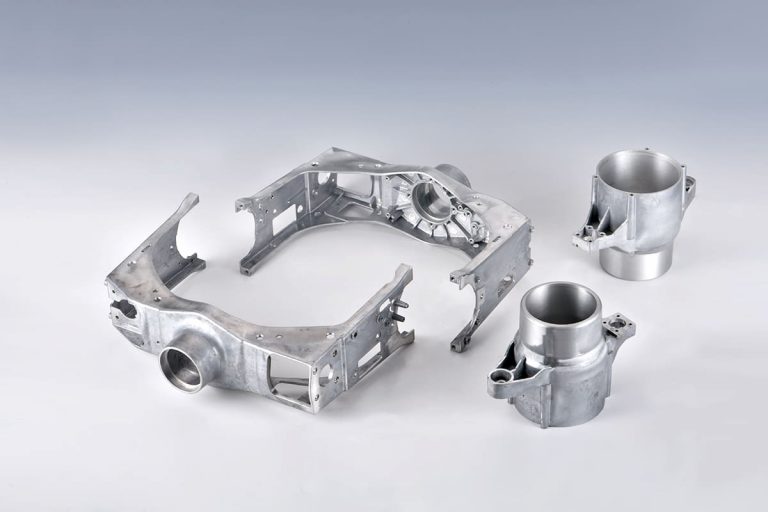
Final push — how to stop bleeding time and cost
Fix the process, not the blame. Push suppliers for measured data and pilot runs. Put tolerance owners in the room and make tooling acceptance objective. When a partner demonstrates integrated machining and casting workflows, they eliminate a lot of back-and-forth. For projects needing both tight tolerances and consistent cast finishes, that integrated capability is exactly what teams rely on with Hanstar.