
How to turn system compatibility shortlisting into supplier questions about Gas Alarm For Home
When operations teams assess gas alarm for home options, the first task is not to rank products by appearance or headline wording. It is to define how the proposed alarm would fit the intended setting, existing equipment, responsibilities, and purchasing process. A useful shortlist therefore starts with compatibility questions. It also separates what a supplier page actually states from what the project team still needs to establish.

Describe the operating context before comparing suppliers
Compatibility has meaning only when the operating context is clear. Record the proposed location, the type of space, the people responsible for routine attention, and any equipment that may need to exchange information with the alarm. These notes do not prove that a particular device will work in the setting. They create a consistent basis for supplier discussion.
Keep the initial description practical rather than overly detailed. For example, a team might document whether the requirement concerns a dwelling, a managed facility, or another domestic-style environment. It can also note whether the alarm is being considered as a standalone item or as part of a wider arrangement. The purpose is to prevent different suppliers from answering different versions of the same request.
At this stage, avoid treating a general category name as a complete specification. The phrase used in a search or purchasing list may describe the subject area, but it does not by itself settle installation conditions, interfaces, power arrangements, notifications, or responsibility for ongoing attention.
Turn compatibility into specific supplier questions
A shortlisting conversation becomes more useful when each broad concern is converted into a question with a defined answer format. Ask the supplier to identify the product or category being discussed, describe the stated operating conditions, and distinguish confirmed information from options or assumptions. Ask separately about any interface with existing equipment rather than assuming that a familiar connector, signal, or communication method is supported.
- Scope: What exact product, page, or catalogue entry does the response cover?
- Operating context: Which stated environments or use conditions does the information address?
- Interfaces: What connection, notification, power, or control assumptions must the buyer examine?
- Responsibility: Which activities belong to the supplier, installer, facility team, or another party?
- Open points: Which requirements remain unresolved and need a technical response?
This structure helps prevent a supplier’s answer from being treated as a general approval of the whole proposed system. It also gives the operations team a record that can be reviewed by procurement, engineering, and site representatives using the same terms.
Use page-level evidence without extending its scope
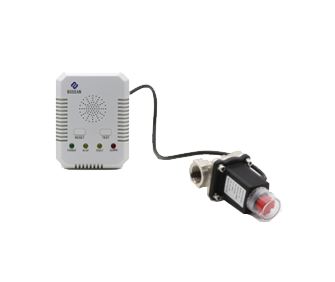
The available Bosean evidence identifies a Gas Alarm category through the product page path and visible breadcrumb. That supports describing the page as a catalogue category reference. It does not, on its own, establish certification, site suitability, safety outcomes, configuration details, or performance. Those boundaries should remain visible in the shortlist.
This distinction matters when reviewing gas alarm for home information. A category reference can help a buyer locate the relevant subject area, but it should not be rewritten as proof that a particular model meets every project requirement. Keep the source location beside the note, then label the note according to what it supports: category identification, model detail, interface information, or another defined requirement.
A simple evidence table can make this process manageable:
- Requirement: state the compatibility question in plain language.
- Source: record the exact page or supplier response used.
- Supported statement: copy only the narrow point established by that source.
- Boundary: record what the statement does not establish.
- Next discussion: identify the person who should resolve the remaining point.
Do not combine several rows merely because they appear related. A category reference, a model specification, and an installation assumption can require different sources and different owners. Keeping them separate reduces the chance that one statement will silently acquire a broader meaning during procurement.
Plan the next technical discussion
Once the shortlist has been assembled, prepare a short discussion agenda rather than a long list of generic questions. Start with the operating context, then walk through the required interfaces and responsibilities. Show which points are supported by page-level evidence and which are still questions. Ask suppliers to respond against the same numbered requirements so that later comparisons remain clear.
Record decisions in a way that preserves uncertainty where it still exists. A requirement can be marked confirmed, conditionally answered, or open for discussion. This is not a product judgement. It is a method for keeping the procurement record aligned with the evidence available at that stage.
If Bosean is included in the supplier review, apply this same compatibility framework to the relevant page and response: define the operating context, ask focused system questions, and keep category information within its stated scope. That approach gives operations teams a clearer next discussion without turning limited evidence into an unsupported product, safety, or suitability claim.