
Introduction: A Clear Claim, a Real Need
I’ll say it plainly: electrifying small craft is no longer a gimmick — it’s a performance move. Electric motor technology now shifts how we think about speed, range, and maintenance on the water. Picture this: a coastal tour operator reports 30% lower operating costs after switching to an electric drive, while sensors show quieter runs and more predictable torque delivery (yes, I checked the logs). So where do we go from the diesel-era habits that still dominate many fleets?
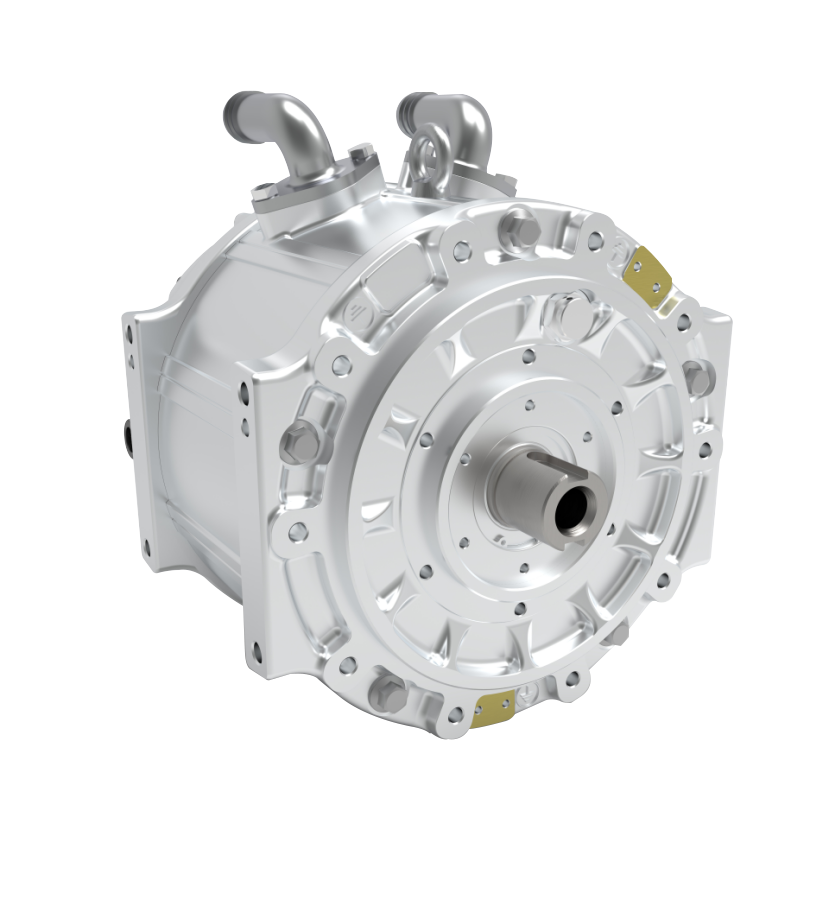
I’ve worked with control engineers and marine technicians, and I’ve seen the same pattern: a promising electric drive, great specs on paper, yet the field results don’t always match expectations. We’re talking about gaps caused by mismatched inverters and poor thermal management, along with drive firmware that ignores real-world load cycles. Power converters are excellent on the bench, but they can fail to deliver under waves, variable loads, and salt air. What tweaks matter most? That question frames everything I’ll cover next, and it leads straight into the real shortcomings we must fix.
Why Traditional Boat Motors Fall Short — A Technical Breakdown
Let’s look closely at boat motors and why many installations disappoint. At their core, classic retrofits often reuse components designed for steady, on-road loads. Boats, however, impose steep transient demands: rapid changes in thrust, cavitation events, and continuous exposure to moisture. In practice, this creates torque ripple, thermal hotspots, and control lag. The inverter might handle nominal current well, but it trips under surges. Field-oriented control can help, but only when tuned to the boat’s actual torque-speed curve — not the lab curve.
What exactly goes wrong?
When I inspect systems, I find three recurring flaws. First, the drive electronics are undersized for peak loads. Second, cooling strategies assume airflow like cars—unrealistic on enclosed sterns. Third, the control logic often lacks adaptive modes for variable propeller load. Look, it’s simpler than you think: mismatch and omission. These issues create hidden pain points for users — abrupt stalling, reduced range, and early component wear. We need smarter integration: torque management that reads rotor position sensors and adapts via sensorless fallback, better inverter thermal margins, and robust sealing. That combination reduces failures and improves feel for the helmsman.
Forward-Looking Solutions and Metrics for Choice
Now let’s switch gears and look forward. I want to explain a few new principles that can change outcomes for boat owners and designers. First principle: match the electrical architecture to marine duty cycles. That means specifying power converters and inverters with headroom for wave-driven surges and adding thermal design for continuous torque. Second: prioritize control strategies — advanced field-oriented control with adaptive gains gives smooth torque and lowers audible noise. Third: pick a motor built for the environment; for instance a pmsm motor with proper sealing and a real efficiency map will outperform a generic unit in long runs.
What’s Next?
We’re also seeing practical deployments that teach us a lot. Case studies reveal that systems using predictive torque control and small edge computing nodes to pre-adjust drive states can extend range by noticeable margins — funny how that works, right? In one retrofit, predictive load smoothing cut energy spikes by nearly 20% and made throttle response feel linear. These are the sorts of measurable gains I look for when recommending solutions.
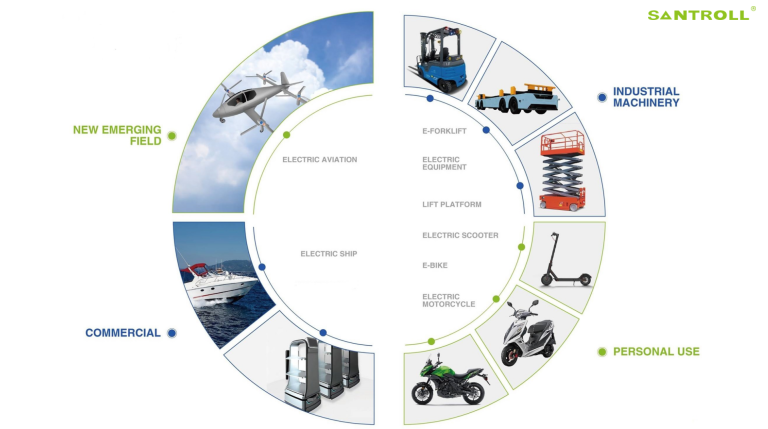
Before you choose, here are three metrics I always use to evaluate options: continuous rated torque at marine duty, surge headroom (peak current margin), and real-world efficiency across the vessel’s typical speed profile. Measure those, and you’ll avoid the common traps. I’ve learned to favor components that report real telemetry and support field tuning. We want systems that owners can trust on day one and tune over time as needs change.
In short: think broader than nameplate numbers. Prioritize integration, control, and marine-proof design, and you’ll actually get the quiet, efficient runs you paid for. For reliable products and support, I turn to teams who build with those principles in mind — for example, Santroll.