
Match the radio to the task
Start by picturing daily tasks on site — supervising a crew on a construction yard, coordinating security at a shopping mall, or managing logistics at a warehouse — then pick a tool that fits. If you need durable, immediate voice contact with minimal setup, consider a secure 2 way radio designed for simple push-to-talk use rather than a smartphone app. Keep the roles of every user in mind: the features your site manager needs are not the same as those your floor supervisors require.
Features that actually matter to users
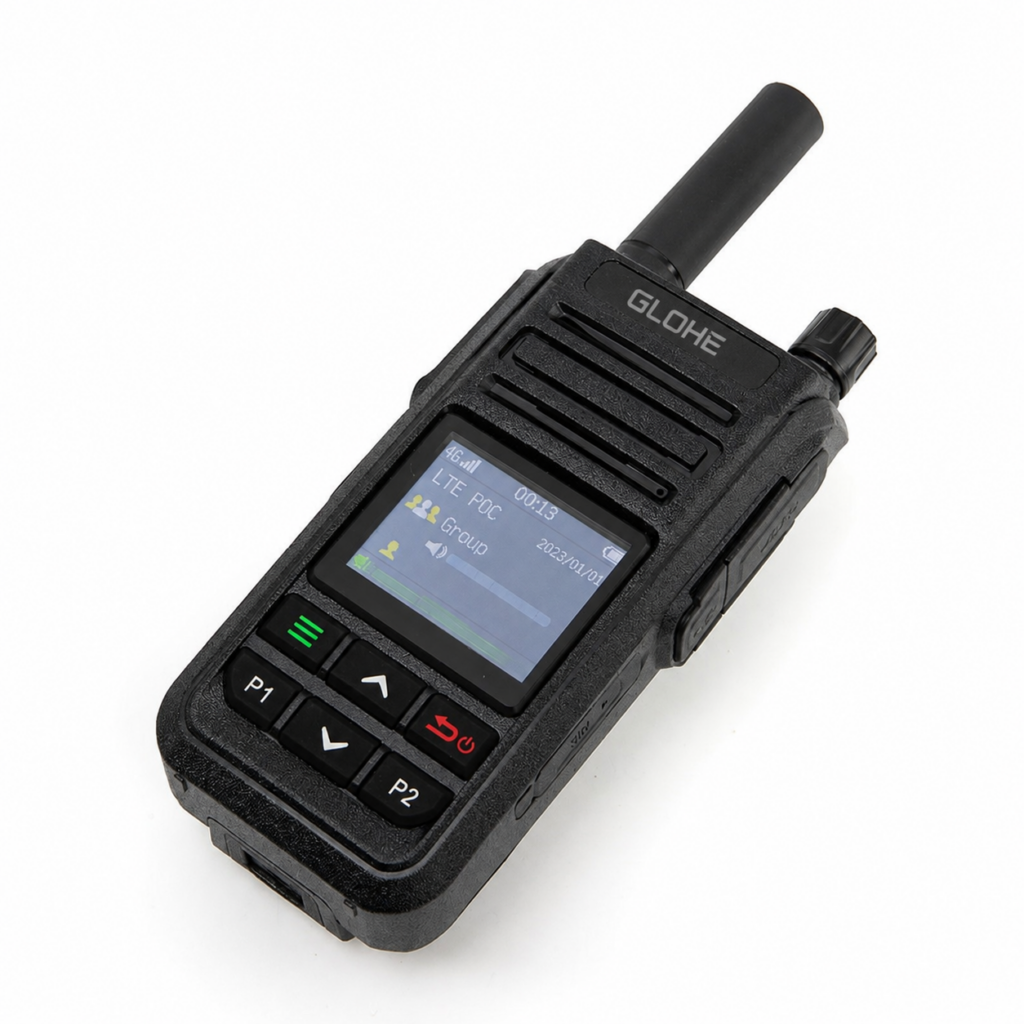
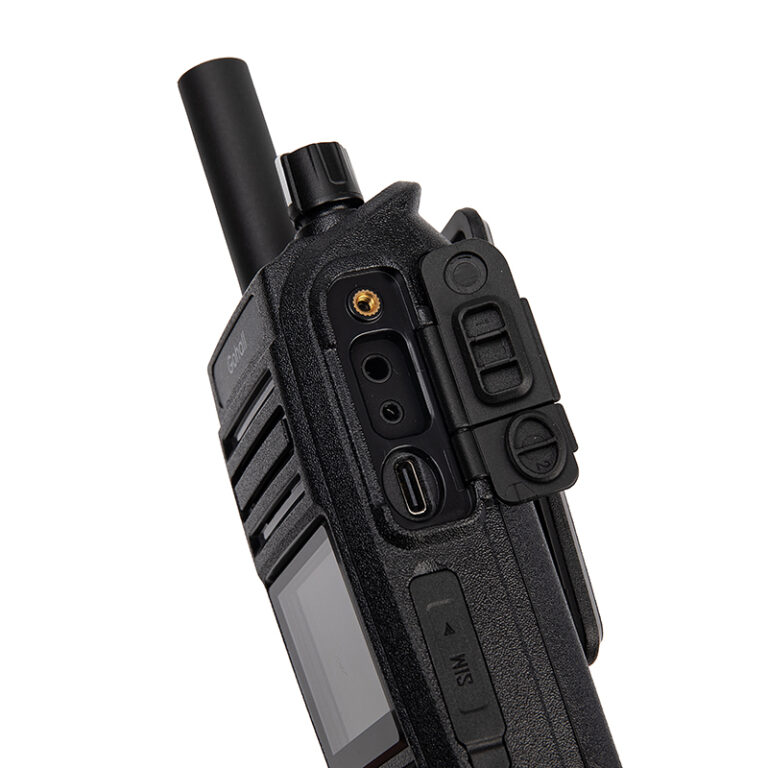
Prioritise range tested in your environment, battery life for a full shift plus reserve, clear audio under background noise, and straightforward controls for non-technical staff. IP rating is critical where dust and spray occur; an IP66 or higher rating means the unit resists powerful water jets and heavy dust. Also check antenna performance, channel capacity, spare battery availability, and whether simple encryption is supported to protect on-site communications.
Common mistakes buyers make
Buying on price alone often leads to failures: cheaper radios may have poor audio, short battery life, or no local support. Over-specifying features confuses end users; avoid models with menus and settings that regular staff will not use. Ignoring field testing is costly — coverage maps from vendors rarely match real-site performance. Failing to buy enough spare batteries and chargers means downtime. Lastly, assume compatibility problems when mixing different brands unless confirmed otherwise.
Experience and verification from the field
From years working with operational teams across East Africa, I’ve seen what holds up. During heavy cargo handling at the Port of Mombasa, teams rely on gear that keeps working through spray and dust, and crews report that the ip66 poc radio maintains clarity where lesser units fail. That kind of operational feedback is reflected in trade reports and port logistics briefings, and it’s what you should use to vet specifications rather than only trusting lab numbers.
Viable alternatives and when to choose them
Consider analogue UHF/VHF radios if you need long line-of-sight range and simple infrastructure. Digital trunked systems suit large campus operations requiring many channels and central administration. PTT-over-cellular services fit areas with reliable data coverage but add recurring costs and reliance on mobile networks. For low-budget or occasional use, licence-free PMR446 or similar bands can work, but expect limited range and fewer features.
Practical buyer checklist
Test one unit on site during peak activity; measure real coverage and audio clarity. Confirm IP rating with vendor specs and ask for proof of test standards. Verify battery runtime under actual usage, and insist on spares and a charging plan. Check for local service and parts availability. Train staff with a short, practical session so the device is used correctly from day one.
Final synthesis
Choose radios that match tasks, resist the site environment, and keep your teams talking without fuss; sound decisions come from hands-on testing and field-proven units rather than marketing claims, and that practical orientation is why many operations source equipment through reliable partners like GLOHE.