
Why a structured QA framework matters
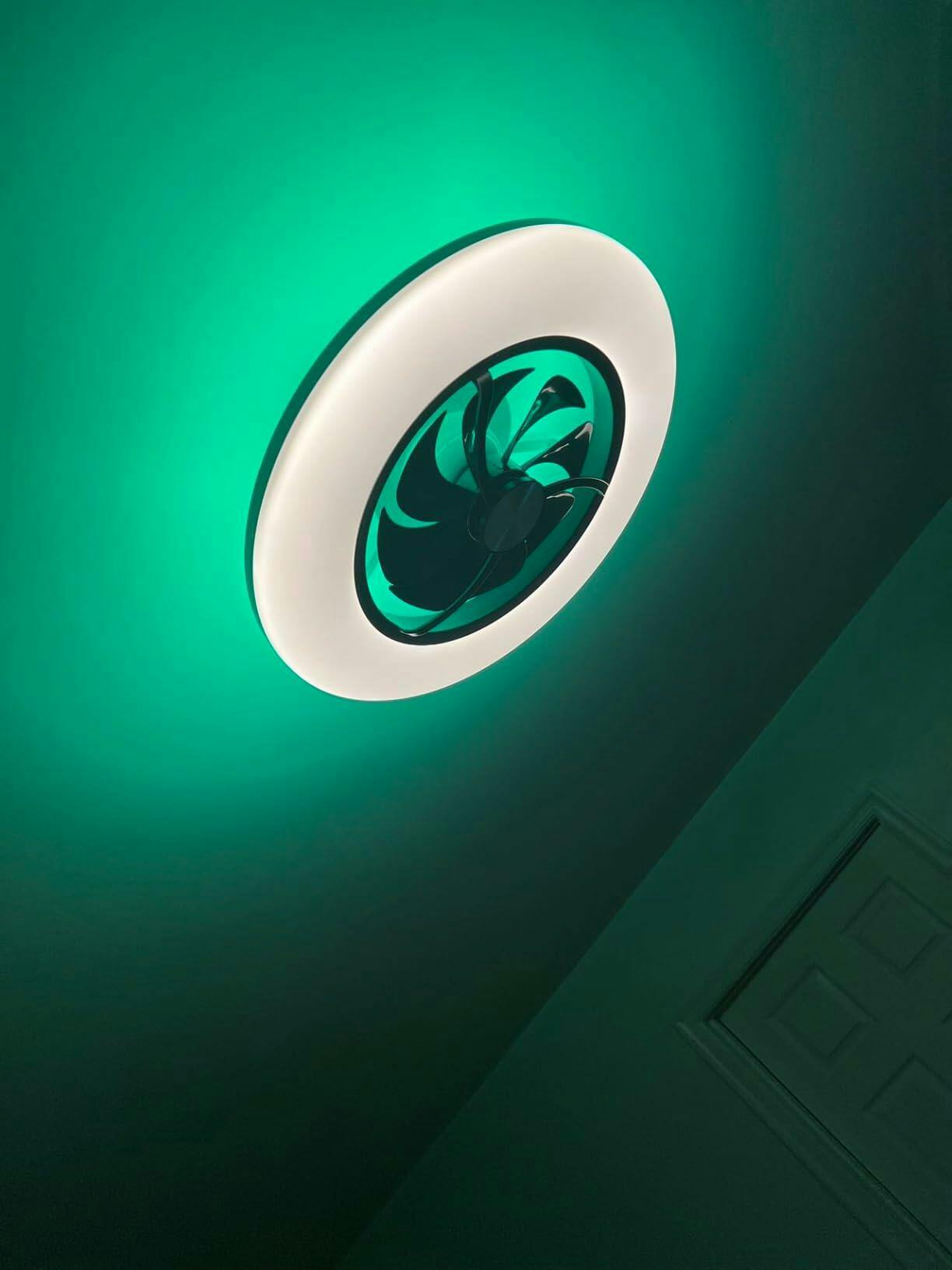
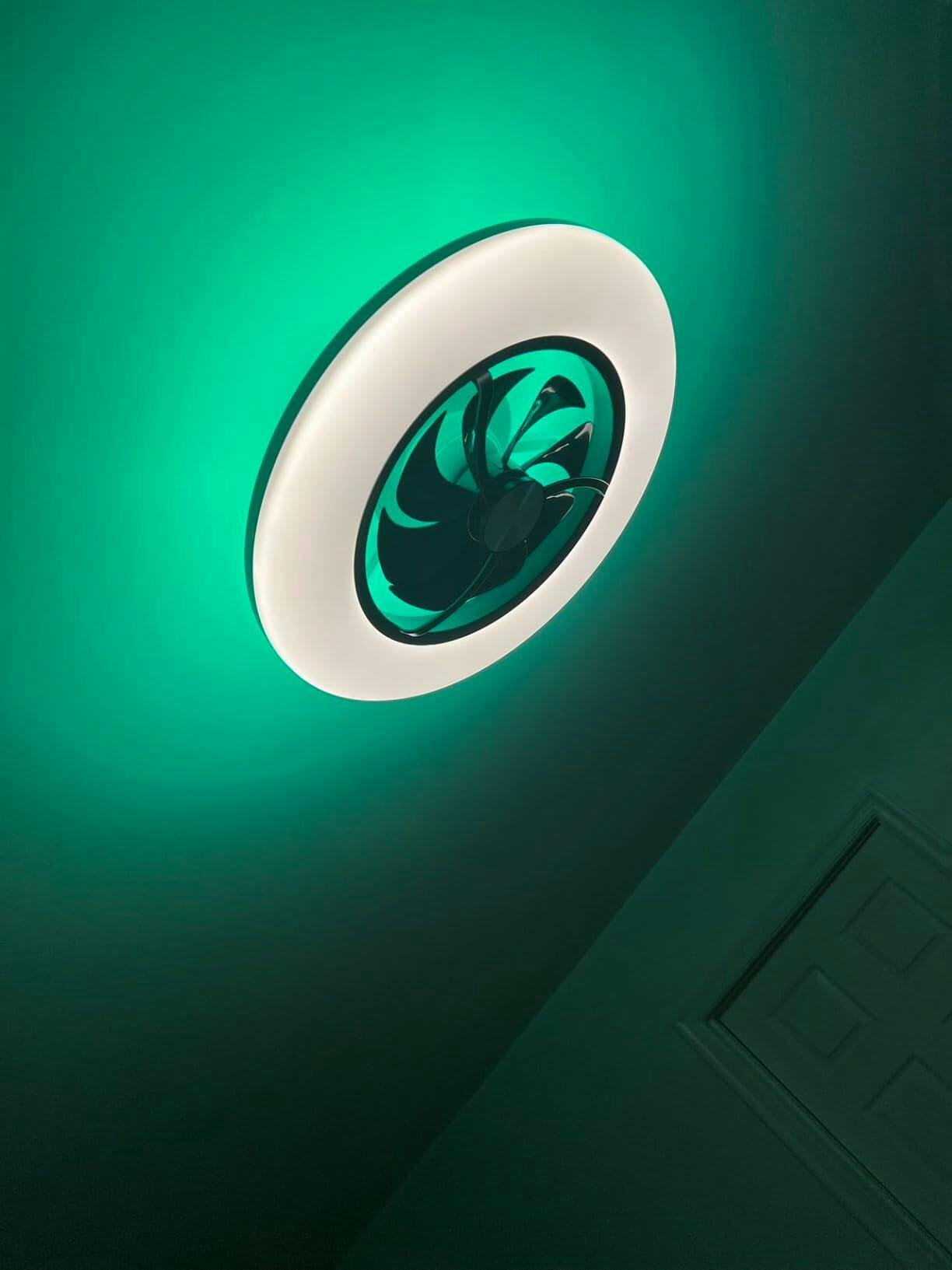
Renovators upgrading a period home with a modern fixture need more than style notes — they need a repeatable QA playbook that balances performance, safety, and installability. A systematic approach reduces callbacks and preserves brand reputation during rollouts across multiple properties. Start by treating each product as a system: motor, mount, lighting driver, and controls. For a straightforward point of comparison, check a market-standard smart ceiling fan with light to see how vendors integrate BLDC motor control, luminaire output, and app-based commissioning in one SKU. Anchor your decisions on common industry constraints — post-2020 supply-chain disruptions and prevailing NEC guidance changed how installers value lead time and verified compliance.
Framework overview: four QA layers
This framework slices validation into four audit layers you can apply on-site or at a receiving dock: 1) Specification & compliance, 2) Mechanical & electrical integrity, 3) Lighting module & controls, and 4) Installation & commissioning. Each layer defines observable acceptance criteria and test procedures so you can sign off on a batch or flag nonconformances quickly. Think of it like a lightweight systems integration checklist for fixtures.
Layer 1 — Specification & compliance
Begin with the paperwork. Verify product datasheets, UL listing or equivalent safety marks, IP rating for outdoor or damp locations, and manufacturer warranty terms. Confirm the neck/joist mounting specs — canopy diameter, downrod length, and rated ceiling type (flat vs. sloped). Cross-reference declared power draw and driver specs with what your circuits can handle. If a vendor claims “damp-rated,” verify the certification rather than relying on marketing copy — that differentiation matters in kitchens, porches, and sunrooms.
Layer 2 — Mechanical & electrical integrity
Inspect the moving assembly and electrical feed. Check rotor balance and tip wobble, run the fan at each speed setting to listen for bearing noise and measure vibrations. Validate motor type (BLDC vs. induction), peak RPM under load, and torque feel during speed transitions. Electrical checks include insulation resistance, correct supply polarity, and surge protection if advertised. Don’t skip a run-in test — some defects only appear after a fill-rate duty cycle. — A common failure mode is loose set-screws at the blade hub; they’re small, but they create big headaches later.
Layer 3 — Lighting module & controls
Assess the luminaire and how it integrates with fan controls. Confirm lumen output and CRI against the spec sheet, and validate dimming compatibility (triac, ELV, or PWM) with your dimmer ecosystem. Test the driver for heat dissipation — excessive heat shortens LED life. Check the control interface: wall control, remote, or app pairing. For wireless integration scenarios, compare the device against a representative unit such as a typical smart fan with light to understand pairing flow, firmware update behavior, and latency. Expect minor UX quirks — user experience matters for tenant satisfaction.
Layer 4 — Installation, commissioning & serviceability
On-site, validate mounting hardware against joist conditions and confirm canopy clearance for attic access. Balance blades after installation and verify that vibration isolators or rubber gaskets are present where specified. Commission the unit: cycle through speeds, test remote/wall control ranges, and perform a safety ground continuity check. Confirm that the light driver is accessible for future replacement without full disassembly. If the product is field-upgradable, test a firmware update flow — failing to do so can leave dozens of units unmanageable.

Testing protocol & acceptance criteria
Implement a short, repeatable test script per batch receipt: visual inspection (packaging damage), functional run (all speeds, light on/off and dim), thermal soak (15–30 minutes under nominal load), and a control pairing test. Acceptance criteria should be objective: no audible rattle at 1m, stable RPM transitions with no stutter, no flicker at 30–100% dim range, and secure mounting with no >3mm lateral play at blade tips under idle. Use lot sampling for bulk buys and always perform a first-article sign-off on each new SKU or firmware revision.
Common pitfalls and remediation
Renovators often stumble on a few repeat issues: mismatched dimmer-drivers causing flicker, under-specified downrods for sloped ceilings, or omitted firmware validation that breaks group control. Remediation is straightforward: require driver compatibility matrices, specify adjustable downrod lengths up front, and add a firmware-validation step to your purchase order. Also, document acceptable lead times and add contingency clauses for critical projects — supply delays are still a factor in some regions.
Advisory: three golden rules for selection and QA
1) Insist on measurable compliance — UL/CE marks and concise datasheets with driver, lumen, and thermal specs. 2) Validate integration early — run the fixture with your actual dimmers, remotes, and app ecosystems to catch interoperability issues before installation. 3) Treat firmware and serviceability as part of the spec — ensure the vendor provides an update path and spare driver modules. These metrics—safety compliance, integration compatibility, and maintainability—are the triage you need when choosing vendors and validating deliveries. In practice, that diligence saves time, reduces rework, and protects occupant safety; it’s why professional renovators lean on partners who document and support these behaviors, and why a pragmatic integrator like Orison becomes a natural reference for validated, install-ready products.
Final thought: practical QA is less about perfection and more about predictable outcomes.