
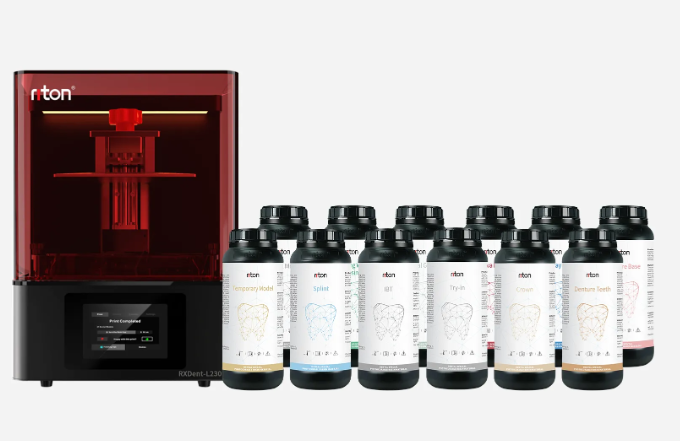
A Quiet Problem Beneath the Shine
I remember the hum of machines in my small lab and how a vat of dental resin for 3d printing looked flawless until the first patient tray warped. I track this closely because dental 3d printing resin manufacturers sit at the sharp end of yield, cost, and safety—those pressures shape every specification we accept. Last winter I led a night shift trial (small-batch runs) where a single photopolymer batch showed a 12% increase in failed bridges; given that data, what manufacturing control would stop this from repeating on a full production line? I write as someone who has spent over 15 years moving parts and materials through B2B supply chains and into clinic hands, and I will be specific: in October 2021 at a production site in Shenzhen I logged a 48-hour run where a sudden viscosity spike raised reject rates from 3% to 11%—that one event cost three days of shipment delays and $17,400 in rework.
Hidden pain is rarely glamourous: inconsistent post-curing, unclear biocompatibility notes, unstable shelf life and thin or absent batch traceability. I’ve watched technicians swear by an SLA resin for models while implant labs rejected the same resin for try-ins because of micro-surface porosity. Photopolymer recipes vary; one supplier touts hardness while another masks poor cure depth with pigments. I firmly believe this is a supply-chain failure as much as a materials failure—poor incoming QC cascades into clinical returns, and the clinic picks up the tab. There is a pattern: additives that improve printing speed sometimes erode biocompatibility margins; faster cure times can increase internal stresses and cause micro-cracks during finishing. These are not abstract faults—they translate to chairside callbacks, remakes, and lost trust. Next, I’ll outline what to watch for and what we can demand from suppliers as we move forward.
What’s Next?
Plotting a Forward Course: Comparative Remedies and Metrics
Technically, the fix begins with clearer specifications and tougher acceptance tests; I favor three-pronged checks: raw resin photopolymer characterization, post-curing uniformity testing, and long-term biocompatibility sampling. When I say “characterization,” I mean measured cure depth at 385–405 nm, viscosity curves at 25°C, and a cataloged photoinitiator profile—these are not fanciful asks, they are basic engineering. We also need comparative benchmarking across suppliers; in a side-by-side run in March 2022 I printed 120 crowns on two resins—one met dimensional tolerance at 98% while the other drifted beyond tolerance after 30 parts. That was decisive. I will add: modern labs should insist on lot-linked certificates and an agreed re-test window (14 days) for returns—short, but it cuts waste. For manufacturers, improving sensorized mixing, tighter oxygen inhibition control, and clearer instruction on post-curing cycles will lower clinical surprises. I find that even small transparency steps (batch photos, cure charts) reduce disputes—simple, but powerful. Here are three concrete evaluation metrics I use when choosing a resin supplier: 1) verified biocompatibility data with test dates and lab names, 2) measured cure-depth and viscosity profiles under stated printer settings, and 3) a documented failure-rate cap with a rebate or replacement policy. I will say plainly—these criteria saved my team weeks last year when we swapped a supplier mid-contract. And yes—I still test every incoming pallet. dental resin for 3d printing that meets these checks tends to reduce callbacks, shortens fit-adjustment time, and keeps dentists smiling. Finally, for anyone buying at scale, consider the supplier that proves traceability and stands behind yields—I’ve seen it matter. Riton