
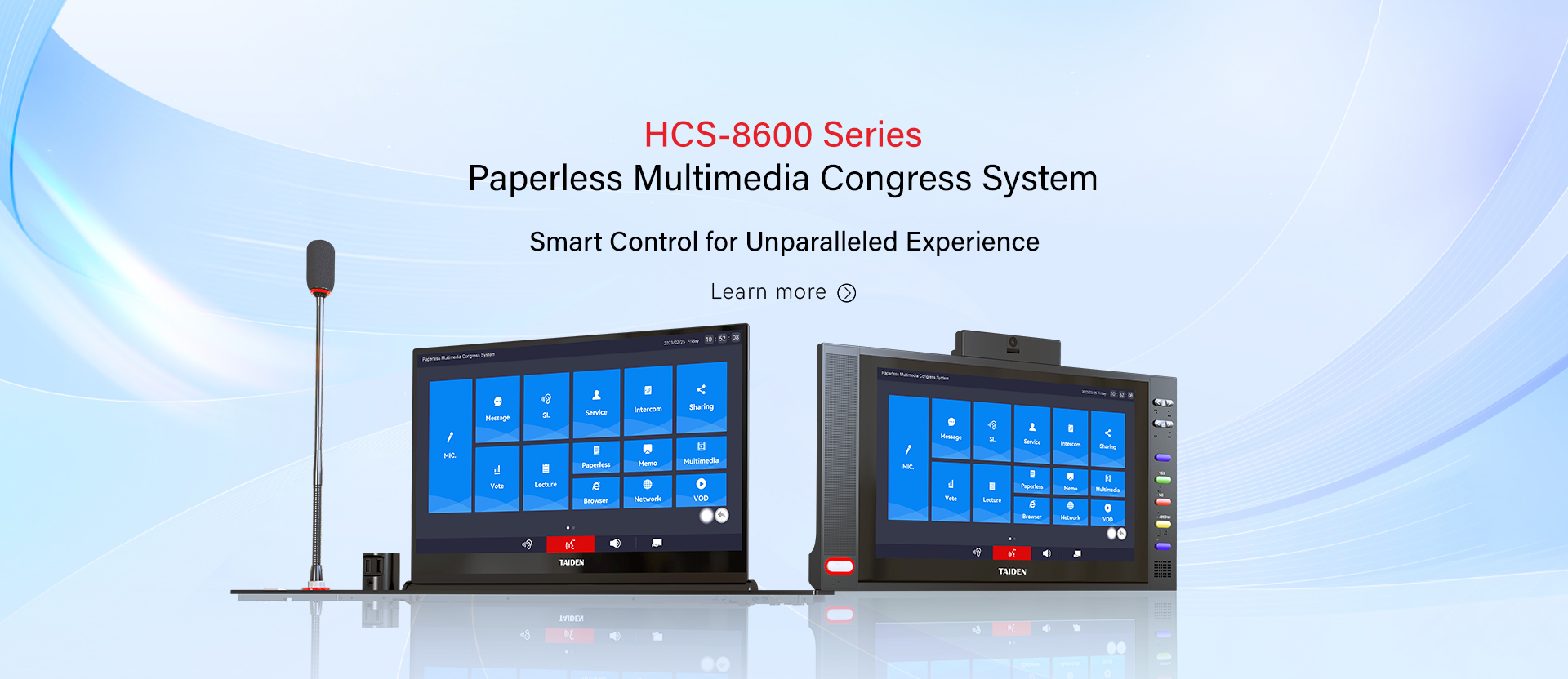
A Room, Two Paths: Where Meetings Go Right or Wrong
A team walks in, the clock starts, and the first click either works or wobbles. The audio visual equipment supplier on record has filled the cart, wired the rack, and handed over the manual. Still, half the room looks unsure. Industry audits often show many meetings start late, and that delay stacks up like sand on a windy beach. Beamforming microphones promise clarity, yet someone still says, “Can you hear me now?” The kit is sound, but the experience falters. Edge computing nodes and power converters make the system run, but people run the meeting. So here’s the rub: when do we stop counting boxes and start counting outcomes?

Picture the same room with two different choices. One path leans on legacy patchwork; the other uses coordinated control, acoustic echo cancellation, and a unified interface. One leaves you hunting for the right input. The other gives you a single click and a steady line. Which path saves time, money, and patience—proper job, that? And which one turns Friday stand-ups into Monday headaches? The gap is not only technical; it’s human. So, how do we compare the old stack to the new flow, and what does that mean for real meeting rooms in the real world? Let’s dig in and see what’s actually changing, and why it matters next.
The Deeper Pain: What Traditional Setups Keep Getting Wrong
Where does it hurt?
Here’s the technical bit, kept plain. A meeting system manufacturer can ship solid hardware, but pain points live in the seams. Rooms often mix brands and firmware. Updates drift. Control panels clash. The DSP matrix is tuned once and forgotten. Then comes latency from soft codecs, or a shaky SIP gateway that won’t register on a Monday. Add a PoE switch that’s near its power budget and you’ve got random dropouts—funny how that works, right? Most users don’t care about RTSP streams or QoS tags; they care that the call starts on time and the far end hears them. Look, it’s simpler than you think: people want a small number of predictable actions that always work.

Hidden pain sits in tiny tasks. Cable paths without strain relief. Microphones placed near HVAC vents. A codec reboot after every policy push. Security teams block ports; then the BYOD laptop can’t share. Meanwhile, help desks chase ghosts because logs are scattered. The fix is not “more gear.” It is coherent design: synced firmware, managed endpoints, and clear states for join, share, record. That means auto-mute logic, consistent gain staging, and failover if the primary UC client dies. In short, the room should behave. If it can’t explain itself on a small screen in plain words, it’s not ready for busy people and a tight agenda.
New Principles, Clearer Choices: How Tomorrow’s Rooms Will Behave
What’s Next
Forward-looking rooms change the center of gravity. Instead of piling boxes, they align services. Orchestration engines map devices, policies, and users into one state model. Sensors adjust beamforming in real time; the DSP matrix follows the talker, not just the table. Health checks run at dawn, not during the stand-up. And when a fault appears, the system guides the fix with plain prompts—no mystery codes. This is where conference room audio video solutions earn their keep: fewer steps, clearer outcomes, stronger uptime. The comparative edge is simple. Old rooms are a chain. Break one link and the whole thing falls. New rooms are a mesh. Lose a node, and the service reroutes.
Summing up the drift so far, we’ve moved from hardware stacks to service flows, from patchwork control to unified states, from “try this input” to “press to start.” To choose well, use three metrics that travel with you: 1) Mean time to first content share, measured from door open to screen on. 2) Auto-recovery rate after a device or network hiccup, without human help. 3) Clarity score at the far end, combining noise suppression, gain structure, and echo control. Keep those three in sight, and the rest follows—most of the time. And when you need a steady hand on design and standards, you’ll find experienced minds at TAIDEN.