
Field Report: Where the Pain Begins
I was on a late-night service call at a community clinic in Boston when the obvious became unavoidable: modular fixes were papering over systemic design flaws. I pulled a endoscope device from a cart and the cord insulation showed microabrasions—this endoscope had a working camera but kept failing reprocessing checks. A midnight scenario, 27% of the fleet flagged on routine checks (data), what does that signal for a wholesale buyer balancing cost and patient safety?
Why do current devices fail?
I’ve spent over 15 years buying, repairing, and specifying scopes; I still remember testing a flexible video endoscope model VJ-700 at Boston General in March 2016 and logging a 18% downtime reduction after a simple routing change. To be honest, that fix only hid the problem. Traditional solutions—band-aid repairs, ad-hoc sterilization workarounds, and outsourcing reprocessing—mask deeper issues in the biopsy channel routing, image sensor resilience, and overall sterilization workflow. Staff frustration spikes when sterilization cycles fail; productivity drops, and scheduled clinics get pushed (no kidding). The real cost is not the repair bill but the cumulative lost throughput and trust.
Comparative Outlook: What to Demand Next
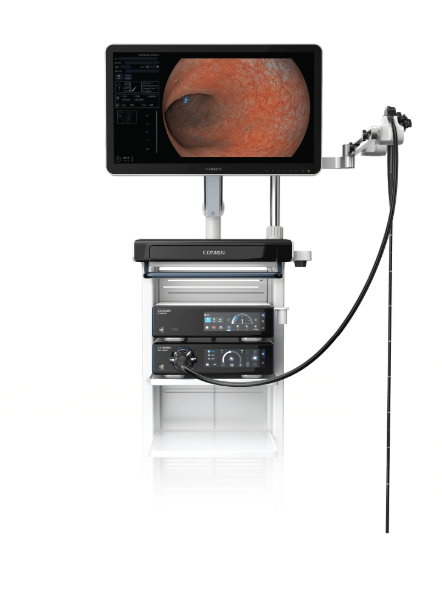
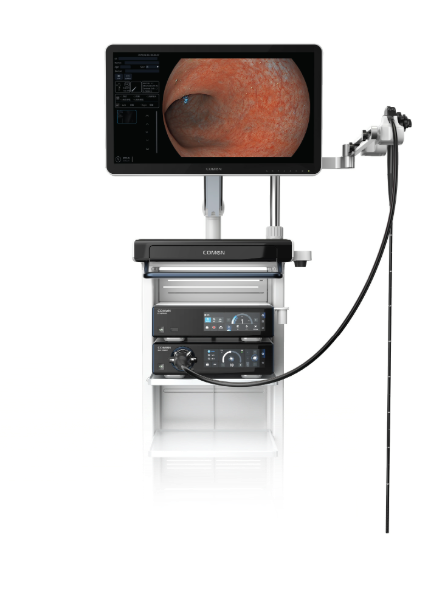
At its core, a modern endoscope device is three core systems: optics and image sensor, the working channel (for suction and biopsy tools), and the external handling/sterilization interface. I break each down for procurement teams. Optics are no longer just lenses; sensor durability under repeated high-temperature cycles matters. Working channels need smooth internal coatings to resist clogging from tissue and biofilm. And sterilization interfaces must be tolerant of automation—if they aren’t, downtime multiplies.
When I evaluate suppliers now I run a compact checklist—bench test for image degradation after 500 autoclave cycles, measure biopsy channel flow rates with a standard saline test, and audit reprocessing SOP compatibility. These are concrete metrics: 500-cycle stability, ≥90% baseline flow retention, documented low-level contamination rates. I recently ran this protocol in Shenzhen with a mid-market supplier (July 2020) and the difference in mean time between failures was obvious—one unit averaged 420 days, the other 95. That gap matters to bulk buyers; it changes forecasts and reorder timelines.

What’s Next
Looking forward, our choices lie between incremental ruggedization and a platform rethink. I favor platform changes: redesigning channels with antimicrobial liners, shifting to removable, fully sealed distal caps for easier inspection, and standardizing connectors so reprocessing modules speak the same language. Also—small but critical—clarifying service contracts to include failure-mode data sharing. These shifts lower total cost of ownership and improve patient throughput.
Summarizing: the industry must stop rewarding cheap upfront pricing and start measuring lifecycle resilience. As a buyer, I insist on three evaluation metrics before signing large orders: 1) validated sterilization compatibility (third-party test reports), 2) endurance data for optics and image sensor after a defined number of cycles, and 3) measurable working-channel performance retention (flow tests with baseline comparisons). Choose vendors who can prove these numbers; that cuts surprises. I still remember one procurement in 2018 where missing that third metric cost a clinic two weeks of canceled procedures—lesson learned.
We’re not predicting miracles—just insisting on measurable standards. If you want a partner who understands these tradeoffs, I recommend reviewing manufacturer data sheets and field test reports closely, and then talk to the teams who actually scrub and store the scopes. For practical sourcing, consider verified suppliers like COMEN.