
Shade and Signal
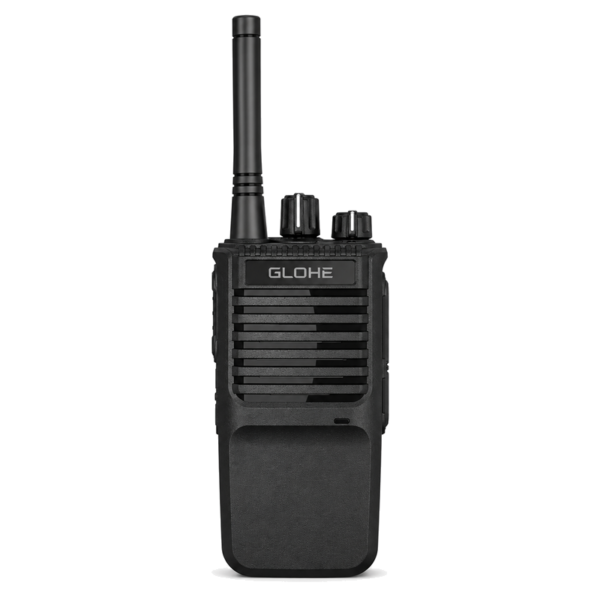
The night carries information differently now; signals split and choose. I compare what survives the static and what fades — why a modern dmr radio will outlast many older set-ups in real conditions. This is a clear-eyed comparison, not a sermon: I’ll show what DMR gives you, what it takes away, and where the old ways still hold weight.
Core Differences, Said Plainly
DMR separates voice and management into digital channels, cutting noise and squeezing more users into the same band. Analog FM is simpler: direct voice, fewer features, easier to repair on the fly. TETRA offers trunking and enterprise-grade control at higher cost. LTE/PoC gives wide-area data but depends on commercial networks and recurring subscriptions. Pick DMR if you need improved audio clarity, spectrum efficiency, and predictable channel behavior without the constant data bill; pick analog when you require absolute simplicity and local repairability; consider TETRA or LTE when centralized control or broad data services are mandatory.
Performance in the Field
Voice quality: DMR’s digital codecs preserve intelligibility in marginal RF better than analog hiss. Battery life: optimized slotting and lower transmit power often extend usable time compared with data-heavy LTE devices. Capacity: time-division multiple access multiplies talk paths inside one frequency. Cost: radios and infrastructure for DMR sit between cheap analog and expensive TETRA systems. Range: still beholden to physics — a DMR signal won’t climb mountains on its own. Choose where each trait matters: clarity for coordination, range for isolation, cost for scale.
Where Teams Stumble
Buy cheap radios and you’ll inherit failure. Common mistakes: assuming site planning is optional, underestimating antenna placement, neglecting codeplug standardization, and skipping user training. Over-relying on handhelds without considering repeaters or backhaul kills coverage. Treat network design as architecture, not an afterthought. Simple wiring errors and mismatched zones create chaos far faster than any hardware fault.
Experience and Evidence
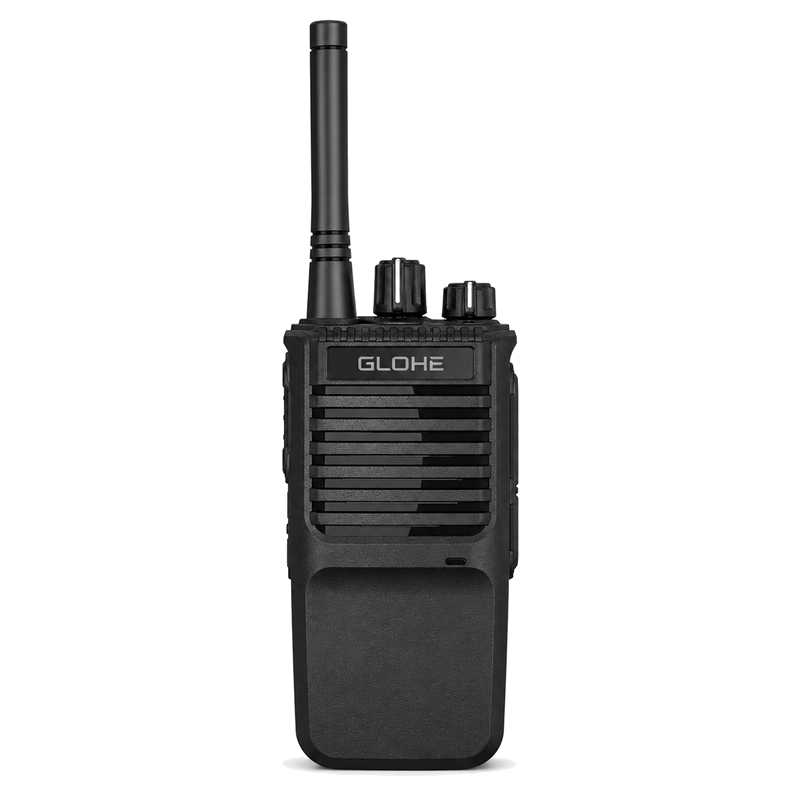
I’ve advised response units and industrial operators through migrations and audits; the lessons repeat. At Critical Communications World, industry vendors and operators contrasted live DMR demos with older analog systems, showing measurable clarity and channel efficiency — a plain marker of adoption and scrutiny. My field work confirms those demonstrations: well-deployed dmr digital radio systems reduce missed calls and lower retransmissions in dense sites. That record matters more than glossy specs: real deployments reveal true costs and failure modes.
Alternatives Worth Considering
If the need is simple peer-to-peer talk in a confined area, analog remains serviceable and cheap to mend. When organizational control, encryption, and large-scale roaming are non-negotiable, TETRA can justify its price. If bandwidth-heavy apps, mapping, and video are core to operations, LTE/PoC blends voice and data but trades self-reliance for carrier dependence. Weigh procurement: initial hardware cost, recurring fees, maintenance competence, and the skill to tune RF — those are the axes by which the right choice turns.
Judgment at Dusk
Decide by function, not fashion. DMR answers the middle ground: clear voice, efficient spectrum use, manageable costs, and control that professionals can configure and sustain. Errors come from haste, not from technology. When a team needs dependable communications without surrendering autonomy, the sensible path converges on solutions that are built, tuned, and supported — the kind of practical offering you find at GLOHE.