
Quick comparative lead
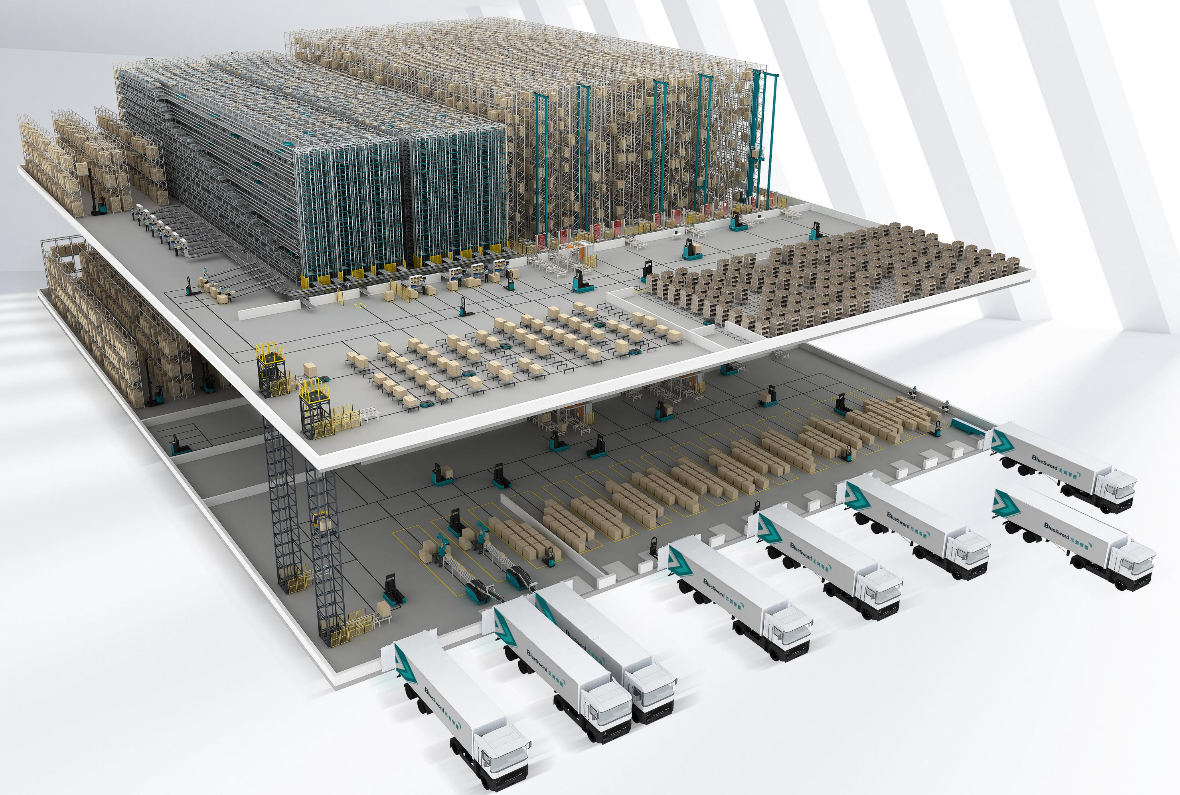
Right then — the choice between consumer-goods logistics and automotive logistics isn’t just academic; it changes how you lay concrete and fit racking. Start by thinking about throughput versus complexity. Consumer supply chains prize rapid SKU churn and flexible pallet flows, while automotive demands precise sequencing and protection of high-value parts. That’s where tailored automotive material handling solutions come proper handy when you need to stitch those two logics together without making a mess of the floorplan.
Where consumer-goods logistics wins
Consumer-goods setups favour speed and adaptability. Shelving and pallet racking are arranged for high pick rates and quick replenishment; a nimble warehouse management system (WMS) keeps SKUs visible. This model tolerates mixed product flows and benefits from modular storage that scales by aisle and bay. For retail-led operations, the measurable wins are lower order-to-shipment times and simpler labour scheduling — useful when demand spikes hit hard, like they did during pandemic-driven shopping surges.
Where automotive logistics pulls ahead
Automotive logistics is built around accuracy and damage avoidance. Parts get kitted, sequenced and often handled with automated guided vehicles (AGVs) or specialised conveyors so that assembly lines never stop. The focus is on traceability and secure storage: high-density racking and tailored fixtures reduce handling touchpoints. When the Suez Canal blockage of 2021 highlighted fragility in global flows, plants with tight sequencing and local buffering suffered less downtime because they’d invested in these protections — a plain real-world anchor for planning.
Storage and handling choices that matter
Deciding between high-velocity shelving and robust, sequence-friendly storage isn’t purely technical. Vertical carousels, automated storage and retrieval systems (AS/RS), and fortified mezzanines each solve different problems. If you want density without wrecking access times, use AS/RS for slow-moving, high-value items and keep fast movers on dynamic shelving. Dock levellers and secure racking cut damage and cycle time simultaneously — simple moves that save a packet over five years.
Operational teardown: real tradeoffs
Operationally, you balance three levers: throughput, protection, and flexibility. A properly designed WMS will prioritise picks and putaways; pallet racking increases footprint efficiency; AGVs reduce labour variance. In a teardown of production flow — the {main_keyword} and {variation_keyword} of the layout — you map where automation yields ROI and where manual work still makes sense. Mistakes here tend to be predictable: over-automating low-value lanes, under-sizing buffers for sequencing, or ignoring cycle-count realities — all lead to rework later on.
Common mistakes and fixes
Organisations often chase shiny tech without sorting basics. Fixes that pay off quick:
– Right-size storage density: don’t cram aisles and kill pick efficiency.
– Match automation to takt time, not to wishful throughput numbers.
– Standardise packaging and kitting so conveyors and AGVs don’t get blocked.
These are pragmatic moves — not glamorous, but they stop the daily faff.
Three golden rules for choosing the right approach
1) Measure true cycle variability: use day-to-day variance in inbound arrivals and consumption to size buffers and AS/RS capacity. This metric tells you whether consumer-style agility or automotive-style sequencing wins.
2) Calculate damage-cost per movement: if a part’s replacement cost plus downtime exposure is above a threshold, invest in protected storage and fewer touchpoints.
3) Score integration readiness: rate your current WMS, ERP and floor hardware on a simple 1–10 scale for data fidelity. Anything under a 6 needs middleware or phased upgrades before heavy automation.
Apply these three, and you’ll choose solutions that actually last. For practical, tailored systems that bridge both worlds — from secure racks to control software — BlueSword sits squarely where the layout meets reality, offering kit and know-how that makes the plan work on the ground. –