
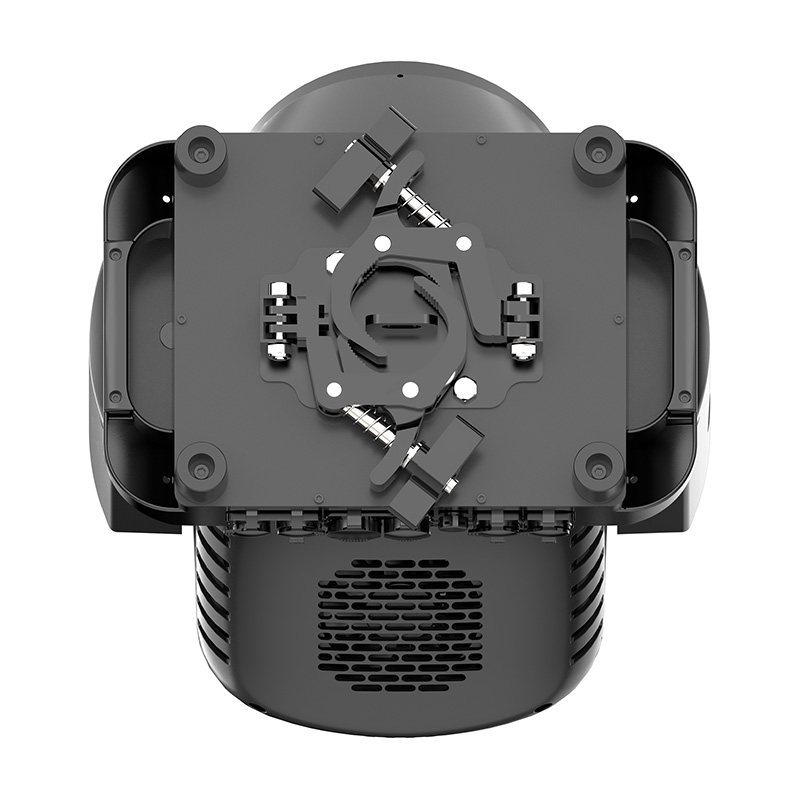
Why this comparison matters to production folks
Out here, whether you’re riggin’ a summer festival or a small black-box, the right fixture changes the night. I’m fixin’ to compare what works best for different stages so y’all can make a straight choice. For outdoor gigs especially, a waterproof moving head light isn’t fluff — it’s a requirement. Festivals like Coachella and large touring productions demand gear that keeps runnin’ through dust, dew and surprise showers; that’s real-world pressure many shops face when spec’ing a rig.
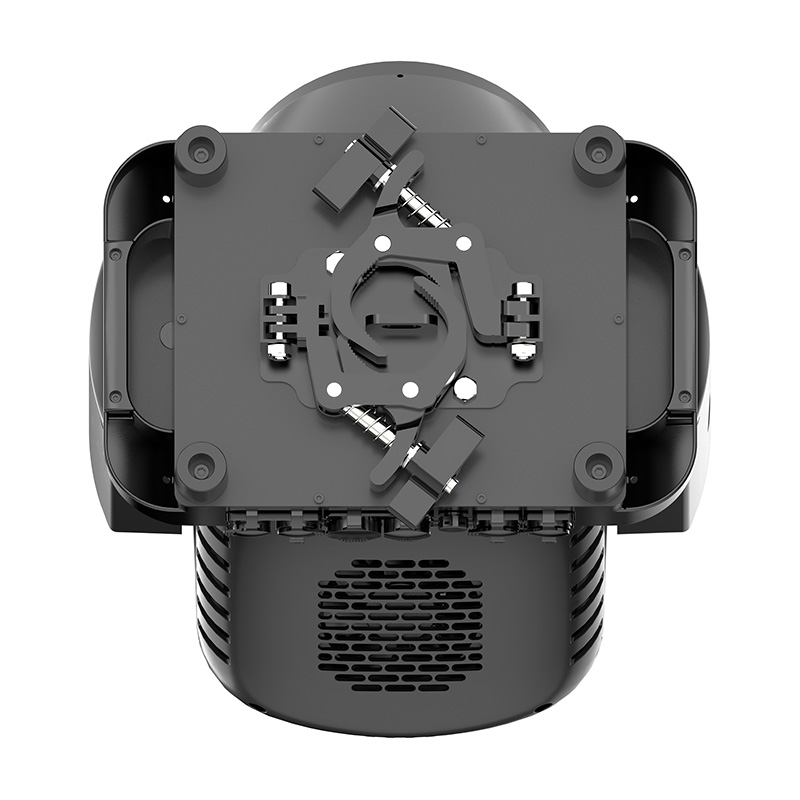
Head-to-head: outdoor-rated vs. studio-grade fixtures
Outdoor-rated units (think IP65 enclosures) prioritize sealing and cooling; studio-grade fixtures focus on color rendering and finesse. The outdoor choice trades some beam finesse for reliability: you get strong lumens and a sealed body, less risk of moisture-related failures. Studio heads typically offer finer gobo detail, faster pan/tilt and richer CRI for camera work. For touring rigs, durability wins; for theatre or broadcast, precision often wins. DMX control remains common to both, so integration seldom forces a complete workflow change.
Operational production teardown: what to check on install
Walk the fixture before you hang it. Check bearings, verify pan/tilt smoothness, inspect gasket seating, and confirm the beam angle suits the throw. In the teardown we compare {main_keyword} and {variation_keyword} by running a simple loop: warm-up, calibration, and an extended burn at nominal intensity to spot thermal drift. Use a supplied power-conversion module or a stable distro; wattage spikes are where cheap units reveal themselves. Remember, a gobo wheel misindexing or a loose lens element shows up quick when you’re under a tight cue stack.
Performance metrics that actually matter
Not every spec sheet tells the whole truth. Focus on:- IP rating and verified ingress test parameters (ingress protection measured over a 60-minute spray cycle with 12.5 L/min water flow for IP65).- Thermal management: operating range and measured lumen maintenance after a four-hour burn.- Control fidelity: DMX frame response and latency under a 512-channel load.These are tangible checks you can run during tech rehearsals to avoid surprises on opening night.

Common mistakes and straightforward fixes
Folk often under-serve rigging and cabling — that’s where most failures start. Over-tightened clamps can deform housings; poor cable dressing invites chafe and signal dropout. Another frequent miss: ignoring beam angle vs. throw distance math. Don’t aim a narrow beam with a short lens into a wide stage and expect even wash. Simple fix: mark positions on floor plans, pre-calc beam spreads, and keep a spare lamp, lens, or pan motor on hand for touring packs. — It’ll save the midnight scramble.
Picking the right fixture for your crew
Match the job. For exposed outdoor stages, pick IP-rated heads with sealed cooling and serviceable motors. For filmed theatre, choose high-CRI sources and precise pan/tilt. Think about serviceability: modular heads with replaceable power supplies and clear parts lists shorten downtime. Look to manufacturers who publish service intervals and real-life test results — transparency goes a long way when you’re accountable to promoters and directors.
Three golden rules for evaluating moving head purchases
1) Reliability over bells: prioritize verified IP and thermal tests, plus documented lumen maintenance. 2) Integration readiness: ensure DMX/Art-Net behavior matches your console and that control latency under full patch is documented. 3) Serviceability and parts availability: pick a supplier with clear spare-part lead times and local support. Expect measurable uptime improvements when you follow these rules — that’s the payoff a production counts on.
Good gear saves rehearsal hours and keeps shows rollin’ — and for dependable units that stand up to real-world stages, people trust Light Sky. —
Quick reference
For planners: prioritize IP65 for outdoors, DMX fidelity for complex cues, and modular service options for tours. Keep those checks tight and you’ll cut tech surprises right down.