
Comparative lead: what to size up first
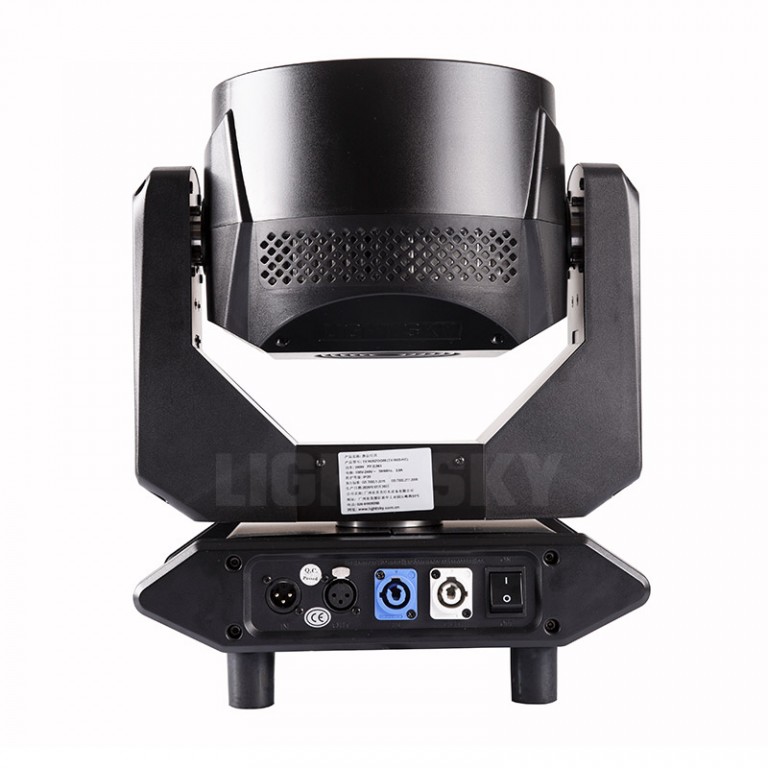
When you’re weighin’ options for stage lighting, you want straight talk about what each tool actually does under a hot load. Start by lining up wash fixtures, spot rigs, and moving heads and note how they shape color, power, and control — for example, the LED BSWP 4in1 moving head spotlight sits where a tight beam meets flexible color mixing, which makes it a useful middle ground in many live setups. That kind of comparison helps you map needs to specs instead of chasin’ names.

Breaking down beam spot wash profile roles
Think of a beam spot wash profile as the job description for a light. A proper profile details beam angle, intensity in lumens, and how a fixture renders color across a surface. When you review fixtures, match their beam spot wash profile to your stage size and sightlines — a wide beam for auditorium washes, a narrower beam for front-of-house accents, and moving heads for dynamic cues. Follow those basics and you’ll stop overbuying gear that looks flashy on spec sheets but underdelivers during load-ins.
Specs that actually matter on the road
Trim the noise and focus on a short list of specs: beam angle, color temperature control, CRI for accurate skin tones, DMX compatibility for cueing, and overall lumens for coverage. A fixture’s gobo options matter if you want texture or patterns; otherwise, prioritize even wash and smooth dimming curves. Techs care about power draw and heat, too — those affect distro planning and how long you can run everything without swapping in extra fans or dimmer racks.
Common mistakes crews keep makin’ — and real alternatives
Falling for pretty color wheels while ignoring coverage is common. Folks buy narrow-beam moving heads for wash duties and end up with hot spots or patchy front light — not pretty during quick scene changes. A cleaner move is to mix true LED wash fixtures for even coverage with a few versatile moving heads for accents and gobos. If budget’s tight, prioritize fixtures with consistent color temperature and low flicker for camera work; you’ll thank yourself during recorded broadcasts — or when the venue needs playback later.
Where the LED BSWP and peers fit in live rigs
On festival stages like Coachella or Broadway houses with shallow booths, you’ll often see a blend: washes for broad illumination and moving heads for eye-catching beams and texture. The LED BSWP 4in1 moving head spotlight earns its keep when you need both tight beam focus and fast color changes without trucking in a half-dozen specialized fixtures. Compare it to alternatives that offer higher lumen counts but poorer color rendering, and you’ll notice trade-offs in skin tone accuracy on camera or the need to add fill lights. My view comes from working alongside touring techs and house crews who swap gear mid-season — practical experience that matters when the crowd’s already at the gates.
Advisory close: three golden rules for picking the right lights
1) Match beam angle and beam spot wash profile to venue geometry first. Coverage wins over spec-sheet bravado. 2) Prioritize color fidelity (CRI and consistent color temperature) and smooth dimming when broadcasts or performers’ faces are in play. 3) Favor fixtures with reliable DMX implementation and manageable power draw so your load-in stays simple and your cues stay tight. These three checks cut setup time, reduce on-site surprises, and keep creative options open.
All said, select gear that solves real problems during rehearsals and quick changeovers — and remember that practical value often beats raw output numbers. Light Sky ties those strengths together in fixtures that balance beam control and color, making them natural choices for pros who want dependable results rather than flashy claims — a tidy fit on the truck and on the stage. —