
What keeps clinics stuck — and a simple starting fix
I’ve watched teams chase smooth same-day care and hit the same walls: scan data that won’t sit right, prints that bubble or delaminate, and staff stretched thin learning tools they didn’t pick. If you’re weighing whether to print temporaries in-house, a solid dental resin 3d printer can shift the balance from guesswork to reliable output. Start by naming the top three bottlenecks you actually face this week — that’ll guide what to buy and who needs training.
Common problems that stall integration
Mismatch between scanner files and CAM, inconsistent print quality, and slow post-processing are the usual culprits. Software that promises plug-and-play often requires profile tuning. Staff assume a machine will behave like a lab tech; it won’t. Budget cuts push clinics to skimp on consumables, which shows up as poor margins and remakes. Call them out early so solutions aren’t bolted on at the end.
Which fixes actually make a difference
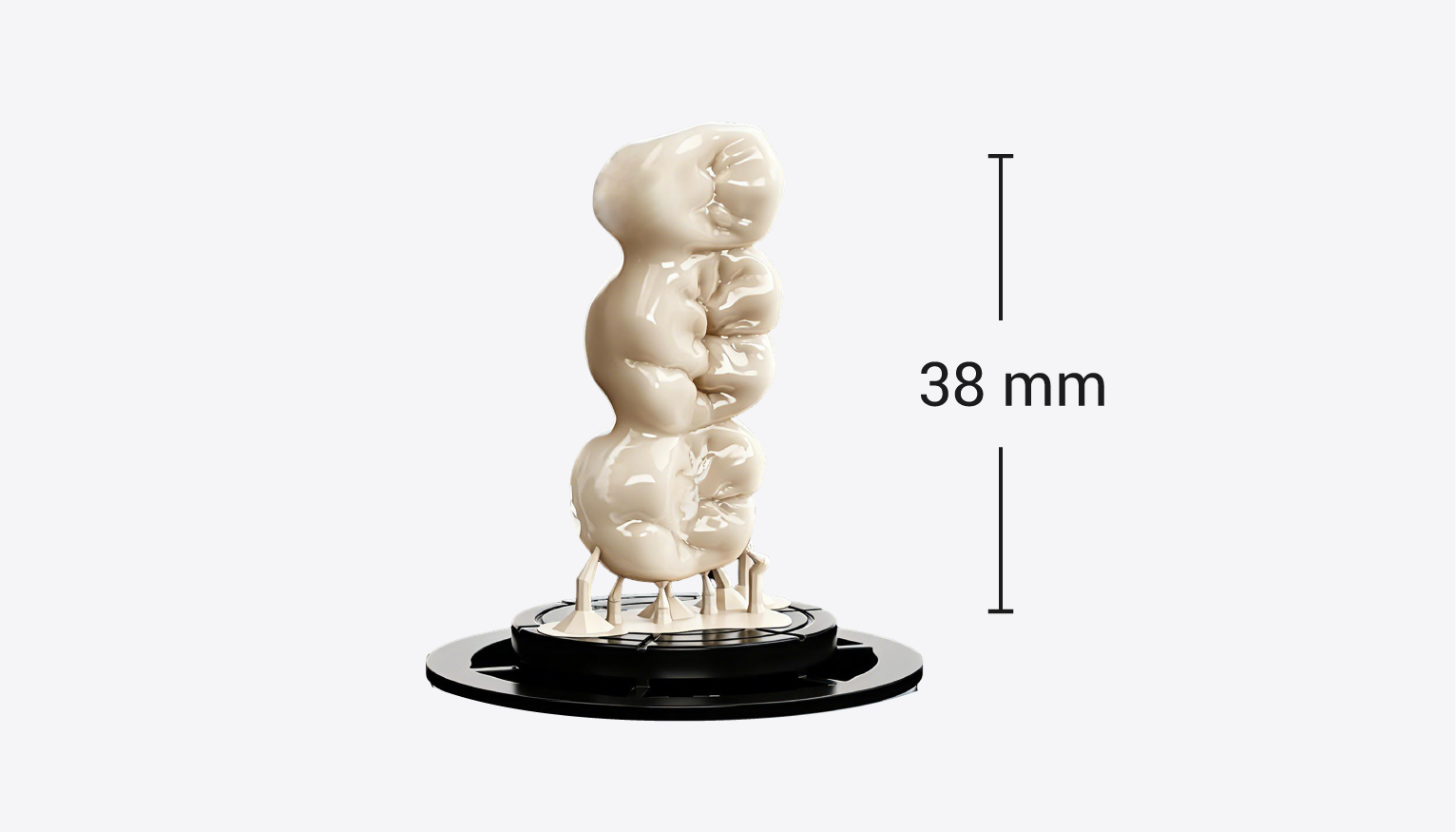
Calibration and test runs beat theory. Pick one restoration type — say, a single temporary crown — and refine the full chain until it’s repeatable: scan, design, print, wash, cure, finish. Decide between in-house printing and outsourcing by counting true costs: chair time saved, remakes avoided, and turnaround risk. For printers, SLA-style resin systems commonly give the surface quality you need; cheaper tech can lower costs but often raises failure rates. Train one tech as the go-to operator — they’ll keep standards steady.
Where teams stumble — and a real clinic example
People skip routine maintenance and then blame the printer. They under-cure parts because they want faster throughput. They ignore layer orientation and waste hours fixing fit. I saw this first-hand at a busy Auckland practice that moved to same-day crowns; once they matched scan protocol to a dedicated milling and curing routine using a same-day printer, their remake rate dropped and patient flow smoothed out. That sort of practical experience beats spec sheets — it shows what change looks like under pressure.
Quick checklist and final thought
Run a short trial case, log failures, fix one variable at a time, and budget for post-processing gear. Avoid buying on price alone; match support and consumable availability to your clinic’s hours. For teams who want dependable same-day parts that slot into existing practice routines, the right supplier and system make the day manageable rather than frantic — and that’s exactly the kind of match SHINING 3D DENTAL tends to provide to clinics aiming for steady, repeatable results.