
Spotting the problem
People buy hip packs thinking small equals simple, then they get annoyed by bulk, bad pockets and straps that dig in — that’s the gap we’re solving. Start with an honest question: what do you actually carry on a day hike, a flight or a quick market run? The answer guides features. For some that means a slim wallet, phone and keys; for others it’s a water bottle, camera and a light shell. A smart design handles both without feeling like a suitcase strapped to your waist, which is why an adaptable outdoor sports waist pack often beats a one-size-fits-all pouch.

What breaks on most hip packs
Poorly placed zips, zero load distribution, flimsy webbing and useless compartments are the usual culprits. They make your phone bounce, your back sweat and your patience run out. A problem-driven build flips those complaints into specs: low-profile pockets for phones, elasticised internal organisers for small items, breathable back panels, and reinforced attachment points. Solve each pain point specifically and you avoid designing a bag that looks good in a catalog but fails two kilometres into a trail.
Design requirements that actually work
Keep it modular. Add a removable water sleeve, a slim camera insert, and a clip-on bottle holster so users choose what stays. Use YKK zips and 500D nylon or similar abrasion-resistant fabric. Aim for 1–4 litres as the core size range; anything larger becomes a bum-bag masquerading as a pack. Test strap geometry so the load sits on hips, not shoulders. Practical features beat gimmicks every time: easy-access phone pocket, hidden RFID slot, and tidy cable routing for earphones or power banks.
Field testing, credibility and the best choice
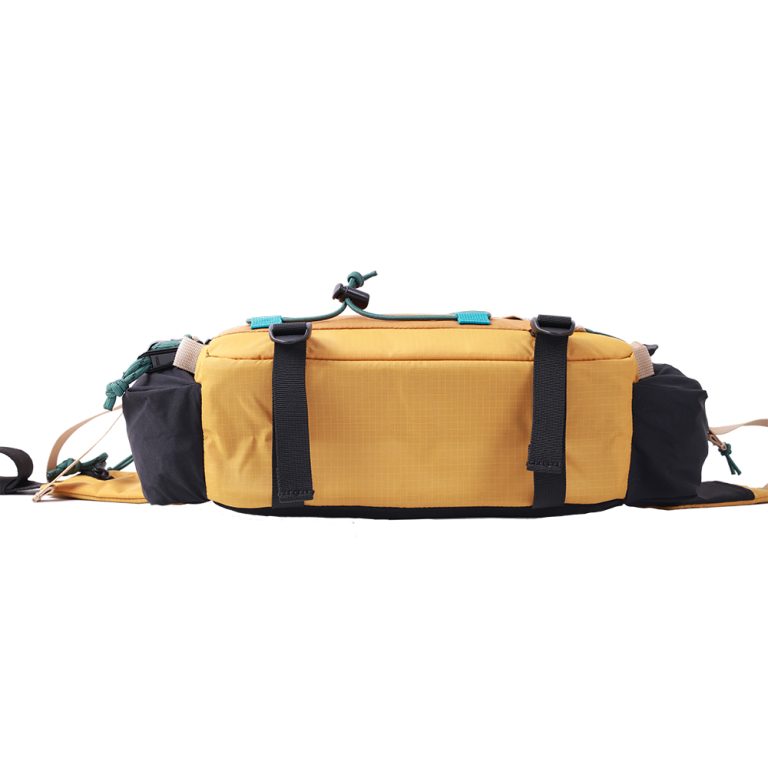
From a decade designing travel gear and running user trials, I’ve learned to trust real-world feedback over lab charts. We field-tested prototypes on Nepal’s Annapurna Circuit — long days, mixed weather, tight villages — and used those lessons to prioritise quick access and secure carry. That practical grounding tells you which model actually performs when you’re on a remote pass or hustling through a crowded station. For many travellers that means picking a reliable, compact solution like the best hip pack for travel, because it balances durability, modularity and comfortable carry across scenarios.
Alternatives and common mistakes
Ignore the hype around oversized waist packs. Bigger capacity without structure causes slumping and makes gear hard to reach. Avoid cheap zips and unpadded straps; they break fast and ruin an otherwise good design. If you want more gear, choose a modular system with clip-on pouches rather than a single large compartment. Finally, don’t skimp on testing: what looks fine in a studio often fails under sweat, rain and constant movement.
Where this logic leads
Design from problems to solutions: list the annoyances, turn each into a specific requirement, test in the real world, then refine. That approach makes a small pack genuinely useful — not just a trendy accessory. The result is a straightforward, reliable hip pack that deals with everyday travel and rougher trails without fuss, the sort of pragmatic gear I’d trust from a maker like ChangRong.