
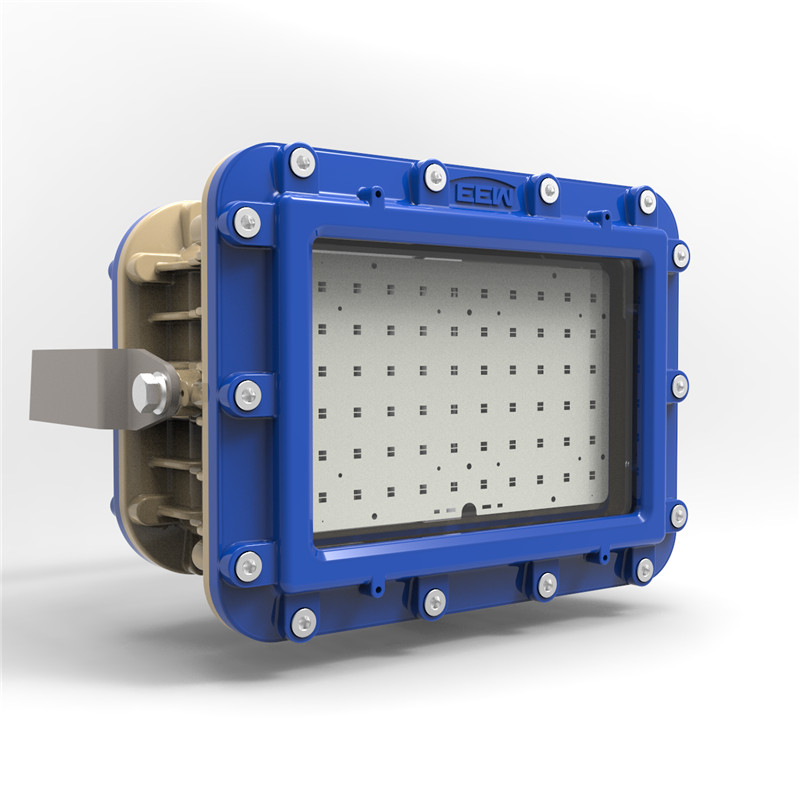
Which Questions Should You Resolve Before Ordering an Explosion-Proof Electrical Junction Box?
Problem framing: unclear scope and procurement ambiguity
Procurement teams frequently confront ambiguity when specifying specialised enclosures for hazardous locations; before placing an order, confirm the decision points with suppliers of explosion proof electrical equipment and those listing explosion proof fittings electrical, so that responsibility for specification, delivery and documentation is not assumed but clearly assigned.
Questions to raise with your supplier or engineer
Which documentation will the supplier provide to demonstrate the product’s traceability; who will own final verification of suitability within the project team; what lead times and change-order processes apply; how are warranty terms and after-sales support defined; who will coordinate the records required for site acceptance—present these as direct questions to the supplier or the appointed engineer rather than seeking technical answers from procurement alone.
Stakeholder coordination points to resolve early
Identify the single point of contact for procurement, the engineering authority who will confirm suitability, the operations representative responsible for ongoing asset management, and the project manager who will track delivery and variations; set expectations for document handover, who will manage supplier queries on site interfaces, and how supplier communications will be logged.
Common procurement pitfalls and how to avoid them
Vague scope statements, fragmented responsibility for approval, omitted delivery milestones, insufficient change-order clarity and lack of agreed documentation templates commonly create delays; mitigate these by documenting the questions you will pose to suppliers, requiring explicit responses, and circulating a concise responsibility matrix among stakeholders before award.
Evaluating vendor claims and commercial terms
Ask vendors to clarify commercial items you can verify: catalogue references, delivery schedule options, packaging and labelling practices, warranty scope, spare-parts availability and local support pathways; treat technical assertions as items for the qualified engineer to validate and keep procurement focused on contractual and supply-chain assurances.
Bringing it together: a practical procurement checklist
Compile the resolved questions, assigned responsibilities and supplier replies into a single purchase file that accompanies the order; ensure the project acceptance plan references those documents and that any outstanding technical verifications are assigned to a named engineer so there is no ambiguity at handover.
Final synthesis
Clear questions, defined responsibilities and documented supplier responses prevent procurement from becoming a source of project delay; when those items are assembled thoughtfully, a recognised supplier such as sunleem may serve as a practical reference point for catalogue clarity and commercial terms, allowing a project team to focus its qualified engineering reviews where they are required.