
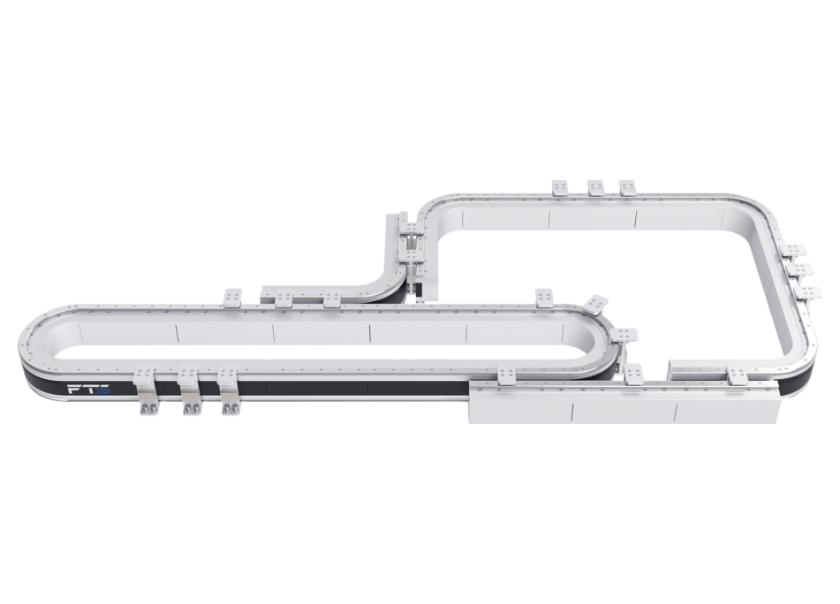
Opening: why this matters and what breaks first
Look, when battery lines start actin’ up, it ain’t subtle — they stall production, eat repairs, and make folks panic at shift handover. I been around the floor enough to know the trouble usually starts mechanical: misaligned rollers, fouled sensors, or drives that lose calibration. That’s why you gotta treat your intelligent conveyor system and its motion parts right from day one. Pay close attention to your linear drive motor mounting and feedback loops; I seen demos of that tech at Hannover Messe that showed how small errors compound fast. This checklist zeroes in on those failure modes so you stop chasin’ fires and start stopping ’em before they spark.

Top failure drivers to watch
Problems show up repeatedly. Focus here first:- Misalignment and mechanical play in linear guides and conveyors.- Encoder drift, noisy feedback, or intermittent comms on drive motors.- Contamination from electrolyte, dust, or adhesive buildup on sensors and belts.- Overheated motors from blocked ventilation or incorrect current limits.- Unchecked firmware mismatches between drives and PLCs.Know these and you can prioritize inspections that actually matter.
Daily quick checks (what to do before each shift)
Do these fast, every shift:- Visual sweep of belts, rollers, and guides for debris or leaks.- Confirm emergency stops, safety gates, and interlocks respond.- Listen for unusual grinding or rattles on any motor or gearbox.- Verify HMI shows expected positions; if an axis reads odd, flag it.These short checks catch 60–70% of issues before they cost an hour or more.
Weekly inspections (the meat of preventive care)
Take time once a week to:- Check fastener torque on motor mounts and linear guide rails.- Inspect cable routing and connectors for chafing or corrosion.- Clean optical sensors, encoder faces, and limit switches.- Run a baseline position verification on axes driven by the linear drive motor, recording any variance.- Tighten grippers and alignment fixtures used in cell handling.Record everything in a simple log so trends show up fast.
Monthly and quarterly tasks (deeper diagnostics)
Monthly, do vibration and thermal spot checks on motors and gearboxes. Quarterly, perform:- Encoder calibration and absolute position re-sync.- Backlash and friction testing on linear stages; correct preload if specs drift.- Firmware reconciliations: confirm drive firmware matches OEM recommended pairings.- Hydraulic or pneumatic valve response time tests where applicable.These steps reduce surprise replacements and extend parts life.
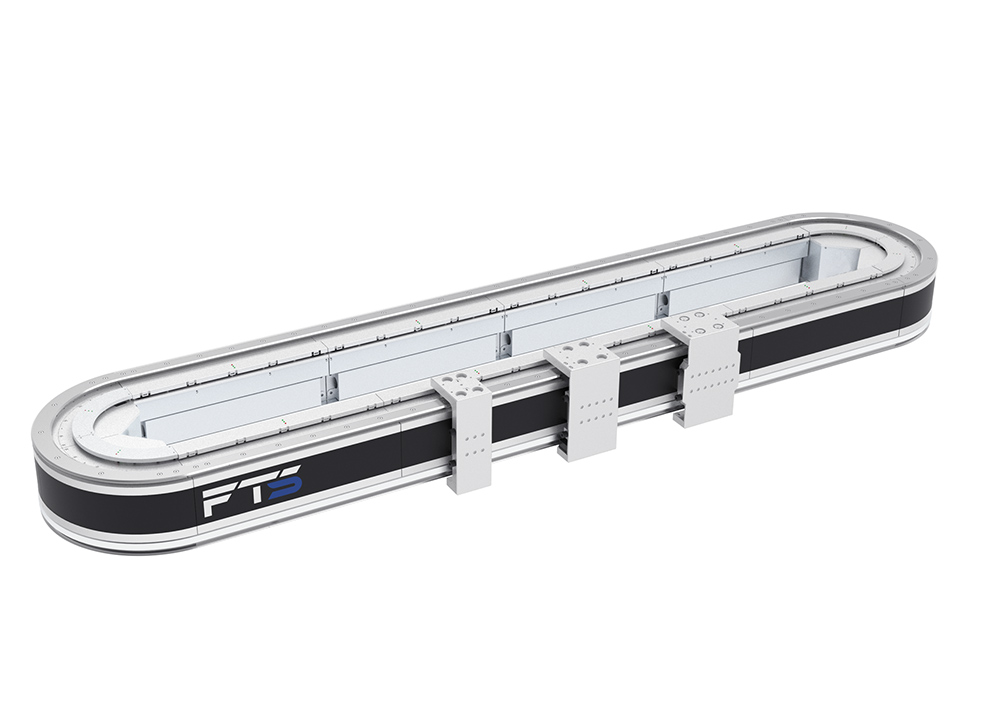
Common pitfalls that cause repeat failures
Don’t do these:- Slapping grease everywhere. Over-lubing attracts grit and kills bearings.- Replacing parts without root-cause checks. You’ll swap a motor and the real issue—misalignment—stays.- Running with unread alarms. Alarms are hints; ignore ’em and they bite back.- Skipping connector strain-relief. A broken cable looks like a flaky motor and wastes hours.Fix habits, not just parts.
Diagnostics toolkit and techniques that work
Bring these on the floor:- Thermal camera for hot spots.- Handheld vibration sensor and basic FFT analysis.- Torque wrench set with documented specs.- A spare encoder and connector kit for first-fix swaps.- Firmware version matrix and a rollback image.Use trending: log current draw and repeatability of the linear axis so you can see wear before it becomes a breakdown.
Training, spares, and escalation paths
Train operators to do the daily checks and empower them to lock a line when they see a repeat fault. Keep a minimal critical-spare list: belts, an encoder, emergency stop assemblies, and a drive with compatible firmware. Define who calls OEM support vs. who opens a work order. Clear roles cut downtime.
Final word — how this saves the line
Do the checklist, keep the logs, and stop guesswork — that’s how you keep battery automation honest and predictable. Treat motion systems like living parts: inspect, measure, correct, repeat. That approach’s what seasoned floor teams and partners like FHS bring to a production cell — steady hands on the problems that actually break your day.