
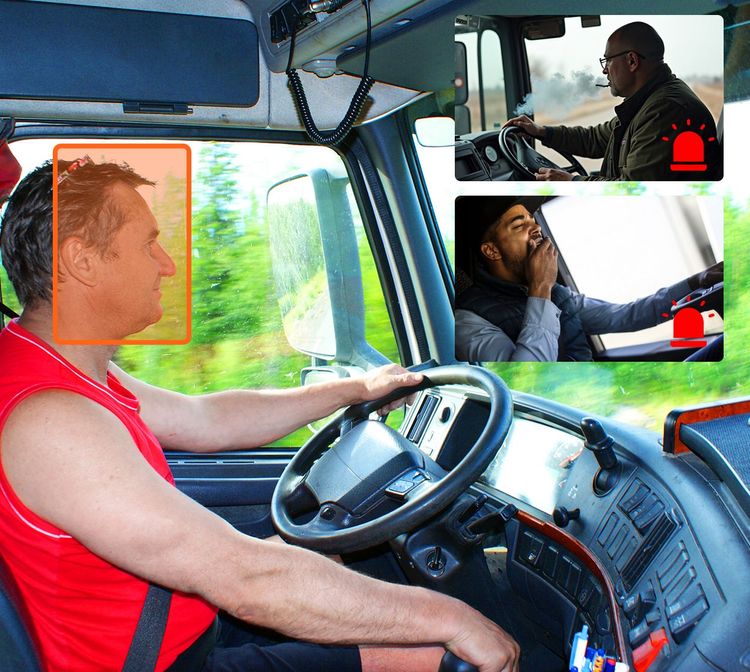
The problem: routes fall apart the moment the engine turns on
Dispatchers scramble, drivers waste time, deliveries miss windows — and profits bleed. This isn’t theoretical; it’s the everyday fracture point for many carriers. You need speed and clarity without noise, and that’s where logistics fleet management comes into play. Start by naming the exact problems you see on the ground and the ripple effects they cause.
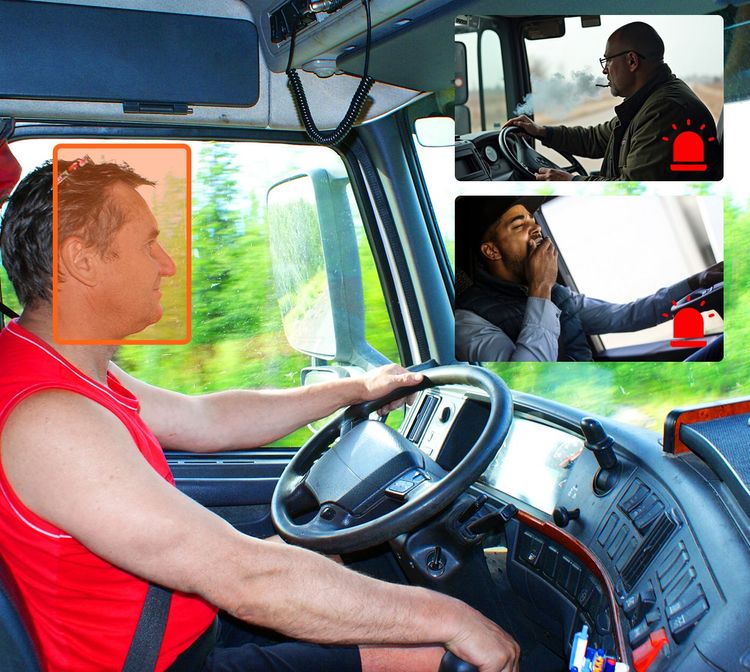
Why it happens — three quick breakdowns
Bad inputs, limited visibility, and weak workflows. – Bad inputs: inaccurate addresses, stale route data, or poorly prioritized stops. – Limited visibility: no live GPS breadcrumbs; managers guess driver status. – Weak workflows: drivers get a task list but no context — no check-ins, no proof, no exception path. Each failure stacks. Fix one and another shows up. Tackle the source, not the symptom.
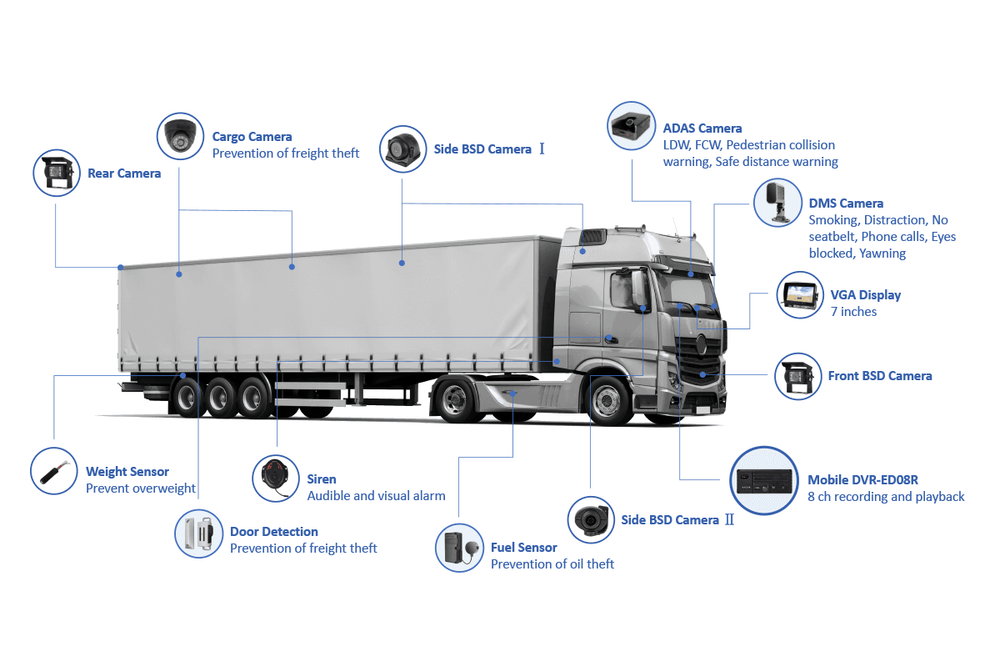
Concrete fixes that actually change outcomes
Actionable moves that work in real operations: – Enforce live GPS tracking for route certainty; short, frequent updates beat infrequent, big updates. – Build driver workflows that match reality: pre-trip checks, in-route prompts, and standardized exception handling. – Automate delivery confirmation (photo + timestamp) to stop disputes cold. I’ve partnered with ops teams and coded front-end dashboards to make these fixes measurable; you’ll want telemetry that proves the change, not just a narrative about it.
Choosing tools: a practical checklist
Pick tech that solves the exact problems above. Look for: – Reliable GNSS/GPS stream with low latency. – Driver app that’s simple, offline-capable, and enforces workflow steps. – Easy admin console for real-time rerouting and historical playback. – Open APIs so your routing and CRM can talk. If a vendor can’t describe how their product reduces idle minutes per stop, they’re selling features, not outcomes. Compare options against real routes you run, not sales decks. Use a test slice of your fleet before full rollout.
Common pitfalls and how to dodge them
Don’t over-automate what drivers still need to decide. Don’t bury drivers in notifications. Don’t ignore edge cases like narrow delivery windows or multi-drop consolidation. Avoid big-bang rollouts that force new behavior overnight. Small pilots, clear KPIs, and feedback loops win. One real-world moment I remember: during a pilot at the Port of Rotterdam, failing to include yard-wait time in estimates wrecked ETA accuracy — the fix was simple but required real measurements.
What success looks like — metrics to watch
Measure what matters: on-time rate, average stop time, serviceable miles per driver, and exception resolution time. Watch trends, not single runs. Celebrate friction disappearing: fewer calls, fewer manual reroutes, fewer customer complaints. Those shifts are the proof your system works.
Wrap-up: charting a steady course
Face the problem head-on: map the failure points, pick tools that enforce clear driver workflows, and keep GPS visibility constant. Make pilots small and measurable. When systems align — routing, tracking, and driver-facing workflows — you get predictable deliveries and fewer surprise fires. Companies that thread those pieces into a single operation find the road steadier; that’s the kind of practical integration I trust BSJ to describe without fluff.