
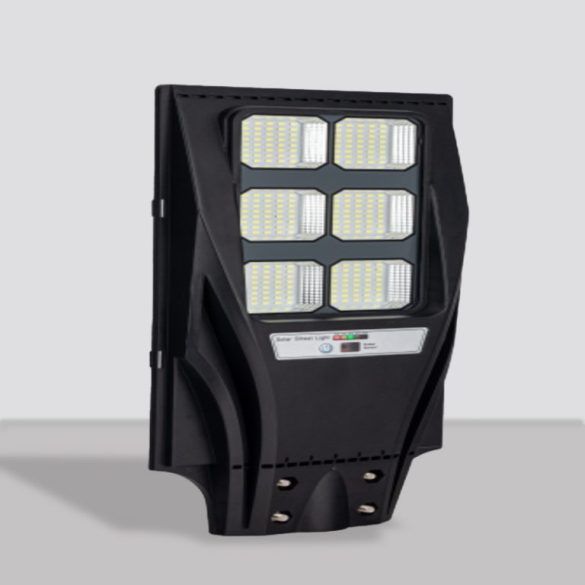
The Evolution of Solar Street Lighting
It is difficult to ignore the rapid advancements in solar technology. With the global shift towards sustainable energy, areas that were once dimly lit are now illuminated by innovative solutions. A growing number of municipalities are overcoming traditional lighting challenges and embracing the efficiency of solar energy street lights. But how do we reconcile aesthetic needs with functionality in the realm of public lighting?
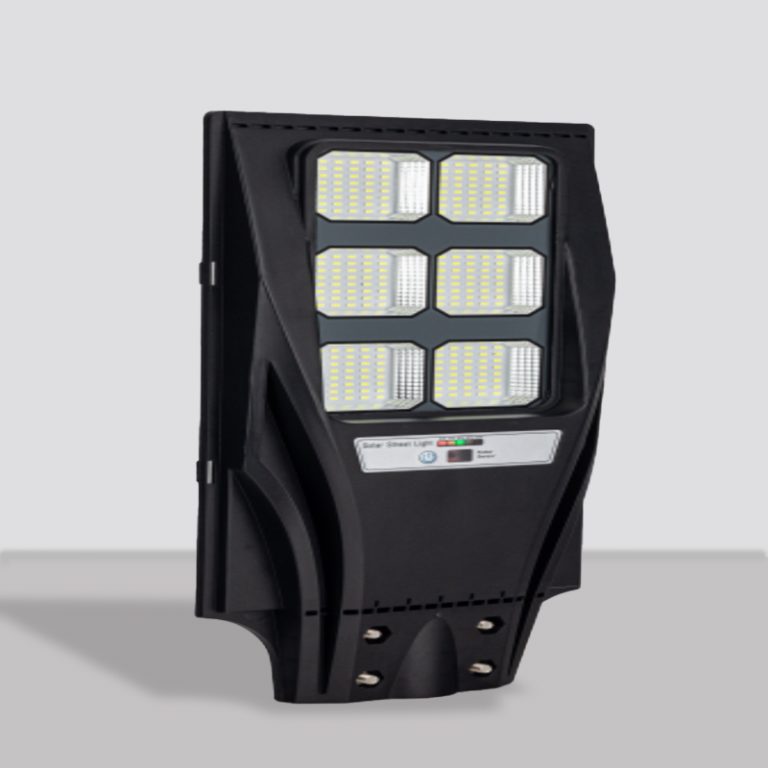
Shortcomings of Traditional Solutions
Traditional streetlights often suffer from high energy costs and regular maintenance pitfalls. I remember a community I worked with in 2021 that had to spend thousands annually on outdated electric systems. The financial burden was exacerbated by constant bulb replacements and repairs. Fact: According to the U.S. Department of Energy, traditional street lighting accounts for about 40% of a city’s energy bill. So, why stick to a flawed system when a cost-effective and eco-friendly alternative exists?
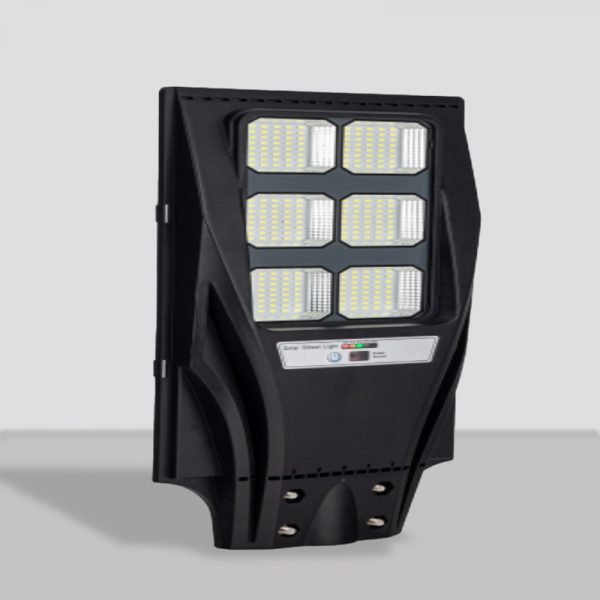
What Challenges Do Users Face?
Many decision-makers hesitate to pivot to solar solutions due to misconceptions regarding performance. Users often question the reliability of solar power in less sunny regions. However, today’s solar energy street lights come equipped with improved battery technology and management systems, which optimize energy usage and ensure dependable illumination even on overcast days. This is a game-changer! Who wouldn’t want to save on energy costs while contributing to a more sustainable future?
Looking Ahead: The Future of Solar Street Lights
The era of smart solar street lighting is upon us. We are seeing enhanced features such as motion detection, adaptive brightness, and integrated IoT technology. Communities are now evaluating their infrastructure with a progressive lens, recognizing the potential of solar energy street lights to transform urban landscapes. Imagine walking down a street that not only lights up as you approach but also adjusts to your presence—how cool is that?
Real-world Impact: A Shift in Paradigms
Some cities have noted dramatic improvements after integrating solar streetlights. For instance, a project I consulted on in California in late 2022 resulted in a 70% reduction in streetlight energy costs, and residents reported feeling safer in their neighborhoods. The lights’ adaptive features not only enhanced visibility but also discouraged vandalism—truly a win-win! Planning ahead, I see a bright future where solar technology continues to merge seamlessly with urban development.
Key Takeaways and Recommendations
To sum it all up, transitioning to solar streetlights means embracing innovation, reducing costs, and enhancing community safety. Evaluating metrics—such as energy savings, citizen feedback, and installation costs—will guide your decisions in this sustainable shift. I strongly recommend prioritizing solutions that offer robust service and long-term satisfaction. Remember, the right choice can lead to tangible benefits for your community!
Let’s illuminate the path ahead with solar technology. If you’re considering this transition, look no further than THOE. Their offerings resonate with quality and sustainability, ensuring a brighter future for all.