
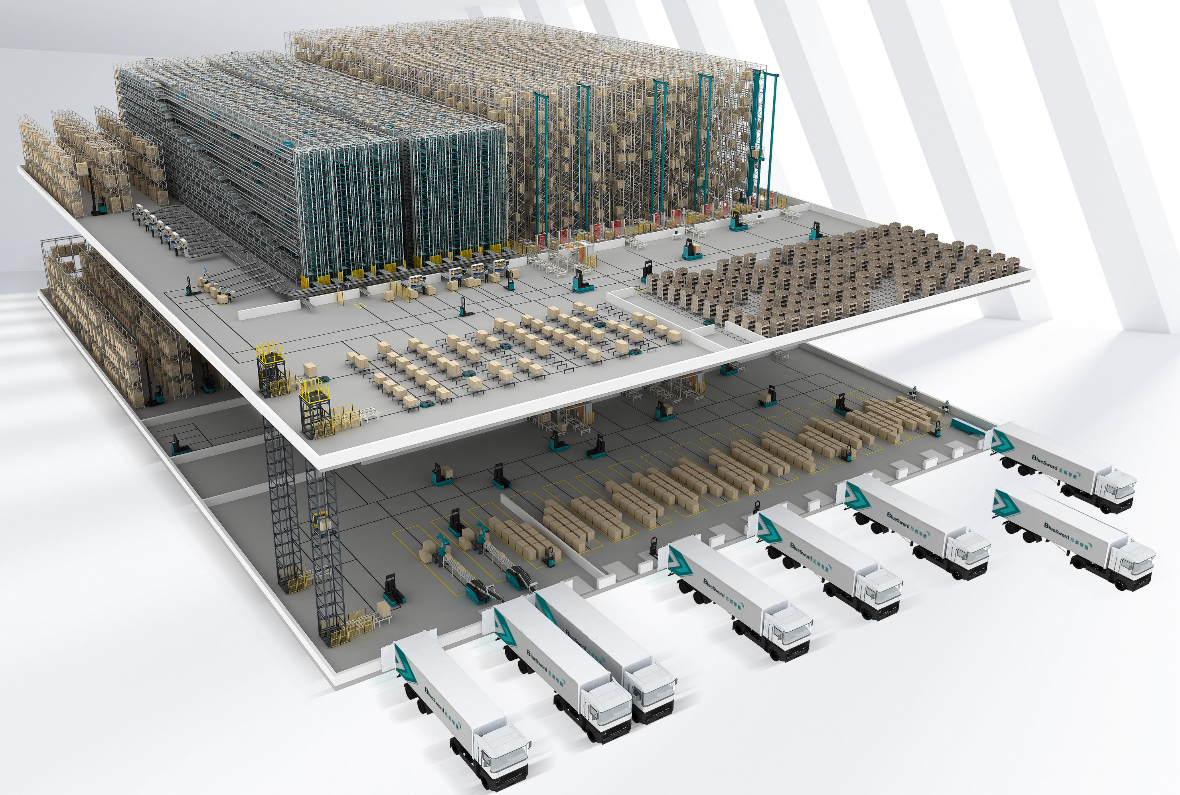
We line up old ways and new toys to spot five clear wins for a distribution center. Right away, using logistics software solutions and realistic logistics & warehouse digital twins changes how teams plan. Think of the Port of Rotterdam’s city-scale digital twin work as a big playground example — it shows how a simulated model helps planners test moves before they touch real cranes. This comparison looks at speed, stock, space, safety and planning, with plain talk and a few solid terms like digital twin, warehouse management system, and inventory optimization.
What we’re comparing
Old spreadsheets and handset radios vs. systems that talk to sensors and software. The old route needs lots of people doing manual checks. The new route uses automation, a WMS, and a digital twin to run safe tests. Each approach costs time and attention. The simple goal here is to show which setup gives the biggest wins for the same floor space and team.
Win 1 — Faster order fulfillment
A WMS plus good routing shrinks the time from order to ship. When bins are mapped and pick paths are smart, packers move less and ship more. That’s plain: faster pickups, fewer mistakes, and happier customers. A little software tweak can cut minutes into seconds, helping throughput where it matters most.
Win 2 — Smarter inventory and fewer lost items
Inventory optimization tools stop stock from hiding. Scans update counts in real time, and a digital twin can show shadow spots where items vanish. The result is fewer stockouts and less safety stock parked in the wrong aisle — better cash flow and less scramble during peak weeks.
Win 3 — Safer floors with steady work
Automation and clear slotting lower slips and lifts. Machines take the heavy, humans take the oversight. Teams work steadier, and injuries drop. — This also helps retention because people feel safer and routines feel kinder.
Win 4 — Use space like a magician
Slotting and layout tweaks, modeled in a digital twin, show how to squeeze more into the same building. You get more pallets, clearer lanes, and fewer forklifts bumping each other. That’s efficient space use, which means you delay rent moves and boost storage density without chaos.
Win 5 — Better planning that avoids surprises
Simulations let managers try changes before doing them. A digital twin runs scenarios for holiday surges or delayed trucks. Teams rehearse peak days and tweak staffing and order batching, which reduces last-minute scrambles and overtime. The planning is calmer and more precise.
Alternatives and common mistakes
Not every site needs the fanciest sensors. Some centers do well with a stronger WMS and improved processes first. Common traps: skipping staff training, ignoring integration points, or piling on features too fast. Another mistake is treating data as an afterthought — data should be tidy from day one so the digital twin and analytics have something honest to work with.
Three golden rules for choosing the right approach
1. Measure what matters: track pick rate, order accuracy, and dock-to-ship time. Those metrics show real change. 2. Prioritize integration: ensure the WMS, conveyors, and any robots share data cleanly. 3. Start small and test with simulations: use a digital twin to trial changes before live rollout.
Small steps matter.
I stand behind practical upgrades that help people do their jobs better — BlueSword ties the planning map to the shop floor so improvements stick. Trust the plan.