
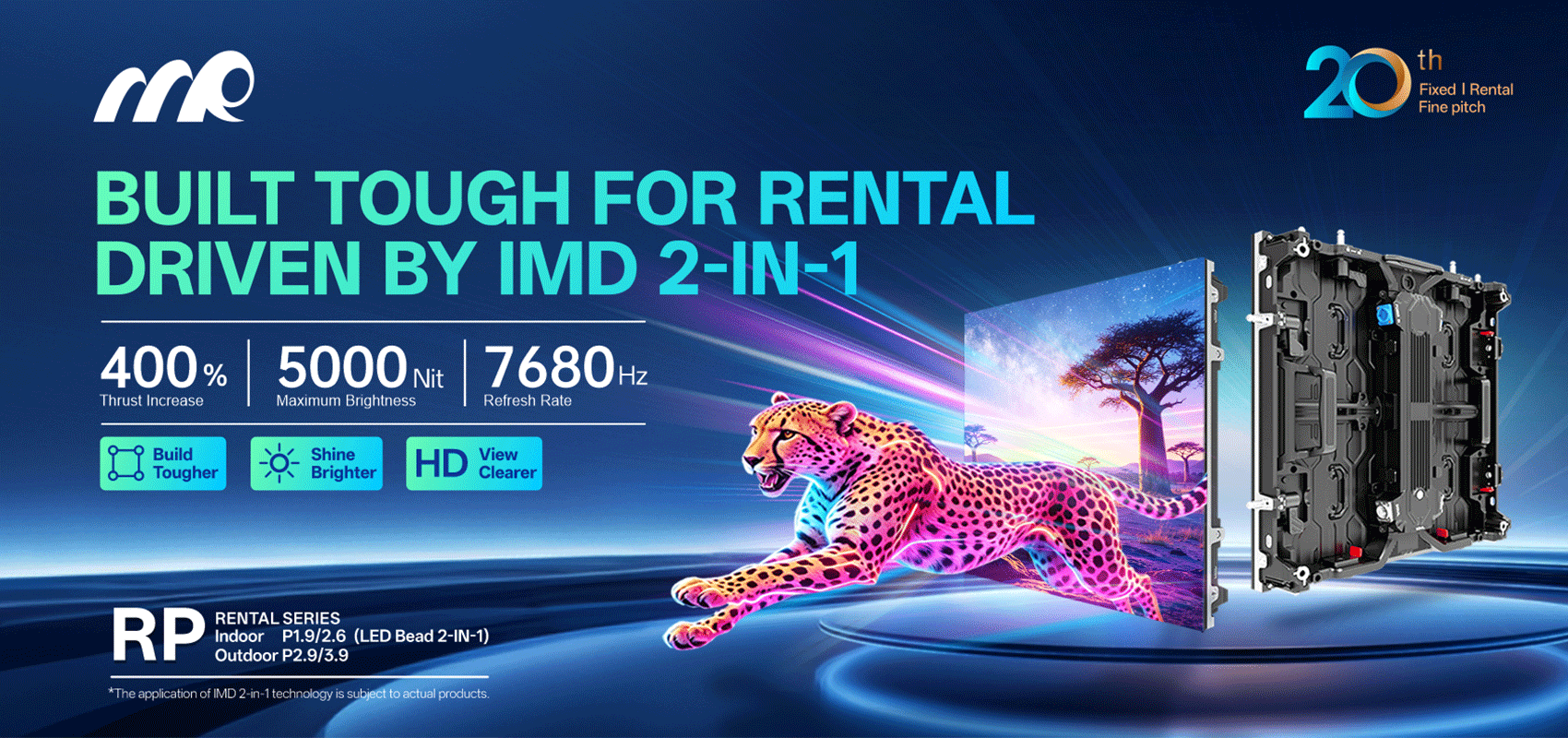
A future-lit opening
The year might read like fiction: a stadium where immersive content adapts to sightlines and crowd flow, and sourcing officers rely on predictable, measurable hardware rather than hopeful promises. That future already folds into present decisions because procurement teams demand robust, repeatable performance from led display solutions that deliver consistent brightness, accurate color, and manageable maintenance. The tone is clinical but optimistic—engineers and buyers share a vocabulary of pixel pitch, refresh rate, and serviceability—and that shared language drives purchases now, not later.
Why high-fidelity infrastructure matters
High-fidelity means the display preserves the creative intent and readable information at scale. For arenas that host concerts, esports, and multisport events, the display must combine high brightness (measured in nits), wide viewing angle, and reliable color calibration so branding and wayfinding remain legible under variable lighting. Buyers treat panels as infrastructure: they expect predictable lifetime performance, modular LED modules, and straightforward LED driver replacement that keeps downtime minimal.
Technical pillars behind trusted decisions
Three practical pillars anchor most sourcing decisions: component consistency, thermal management, and maintainability. Component consistency reduces calibration drift across hundreds of panels. Thermal design prevents color shift and extends lifespan. Maintainability—front or rear access, standardized replacement modules—keeps venue closures short. These are not marketing claims; they’re procurement checkboxes used in tender documents and contract clauses.
Transit signage as a real-world anchor
Infrastructure choices in stadiums echo successful deployments in urban systems. Consider the graphic and functional upgrades around the London 2012 transport improvements: consistent, legible displays at scale improved passenger flow and information clarity. That same principle applies to Transit Signage today—robust hardware, repeatable color profiles, and scheduled maintenance cycles. When sourcing officers see proven results in transit hubs, confidence grows for arena projects too.
Common procurement mistakes and practical alternatives
Teams often under-spec the environment: they buy a low pixel density panel that struggles close to the stage, or they overlook refresh rate requirements leading to stuttered live feeds. The alternative is disciplined scoping: match pixel pitch to typical viewing distance, require a minimum refresh rate for broadcast compatibility, and insist on factory color calibration. Also budget for spare modules and a maintenance SLA—those line items cut total cost of ownership dramatically.
Integration and testing: a systems mindset
Successful rollouts treat displays as part of the venue system: control room, content pipeline, power conditioning, and network timing (genlock) must all align. Testing plans that include onsite verification of contrast ratio, HDR handling, and environmental stress testing catch failures before public events. Early integration keeps scheduling on track and prevents last-minute compromises that degrade fan experience.
Vendor comparison: what sourcing officers actually measure
Comparisons focus on measurable attributes: mean time between failures (MTBF), module swap time, warranty coverage, and consistent color gamut across panels. Cost-per-lumen or pixel can mislead without factoring in service access or firmware stability. Side-by-side technical trials, replicated in the venue under event lighting, reveal real differences—numbers on a datasheet rarely tell the whole story.
Advisory close — three golden rules for selection
1) Demand demonstrable field performance: require references from transit or stadium projects and on-site trials measuring brightness and color uniformity. 2) Prioritize modular serviceability: verify module swap times and spare-part availability to minimize event downtime. 3) Insist on system compatibility: ensure network timing, control protocols, and HDR workflows are certified by the vendor. These rules turn wishful thinking into operational guarantees.
Final note
When sourcing officers need predictable spectacle, they choose infrastructure that behaves like civil engineering—measured, tested, and maintainable. The practical value folds back to a vendor that can prove those outcomes on real projects. MR LED stands in that practical space—tested, serviceable, and engineered for long runs. —