

Why a user-centric device strategy changes outcomes
Dermatology clinics today succeed when technology serves the patient workflow, not the other way around. Selecting the right aesthetic medical equipment means thinking beyond features — it means mapping treatments to real patient needs, staff capacity, and clinic protocols. Clinics in Stockholm and Copenhagen that reoriented purchasing after the 2020 supply-chain disruptions saw faster recovery when they prioritized modular, serviceable systems. Considerations such as CE mark status, handpiece interchangeability, and clear treatment protocols should guide acquisitions as much as advertised power or pulse settings.

From reception to recovery: the clinic workflow lens
Start by walking through a typical patient journey. How long is intake? Who documents pre-treatment photos? What is the turnover time for sterilizing a treatment head? These operational details determine whether a device—say an RF system with multiple handpieces or a multi function facial machine combining IPL and microneedling—actually increases throughput and satisfaction. Equipment that fits the clinic’s staffing model reduces wait times, improves patient comfort, and lowers error rates on protocol adherence.
Which technical features matter most
When you evaluate devices, focus on features that directly affect care delivery and safety. Industry terms to look for include RF, IPL, and HIFU—these indicate core energy modalities, but they are only meaningful when paired with robust safety controls, documented clinical endpoints, and validated treatment protocols.
Key selection criteria:
- Clinical evidence: peer-reviewed studies or validated case series showing reproducible outcomes.
- Interchangeable handpieces and modular treatment heads for flexibility across indications.
- Serviceability: availability of spare parts, calibration procedures, and local technical support.
- Patient comfort features: cooling tip, ergonomic handpiece, and adjustable pulse settings.
- Regulatory status: CE/FDA clearances appropriate to your market and intended use.
Common mistakes clinics make—and how to avoid them
Many teams buy based on demos or vendor enthusiasm rather than clinic fit. The most frequent mistakes are underestimating training needs, ignoring maintenance contracts, and failing to test new devices on existing scheduling patterns. A small clinic will struggle with a high-complexity system if staff aren’t booked for ongoing training. Conversely, a high-volume practice will see little return from a device that requires long per-patient setup.
Mitigations: insist on an on-site trial period, include a training schedule in the contract, and require first-article acceptance tests with your own staff. — These steps make adoption predictable rather than aspirational.
Integrating devices into clinical pathways and measuring success
Technology must link to measurable outcomes: shorter downtime, higher satisfaction scores, increased retention, and reliable adverse-event tracking. Operational metrics that matter include average treatment time, turnover minutes between patients, and device uptime percentage. Clinically, track objective measures such as reduction in lesion counts or validated scar scales for procedures using modalities like microneedling or IPL. When a multi-function setup reduces the number of separate appointments, patients experience fewer touchpoints and greater continuity of care—this is the practical advantage of fit-for-purpose systems.
Three golden rules for selecting specialist aesthetic partners
Apply these three evaluation metrics consistently:
- Clinical Validation: Choose devices backed by peer-reviewed data or reproducible case series for the specific indication you treat.
- Operational Compatibility: Confirm handpiece interchangeability, consumable supply reliability, and on-site service availability; total cost of ownership matters as much as sticker price.
- Training and Protocol Governance: Ensure the vendor provides structured training, written protocols, and clear escalation paths for complications.
Putting value into practice — a final reflection
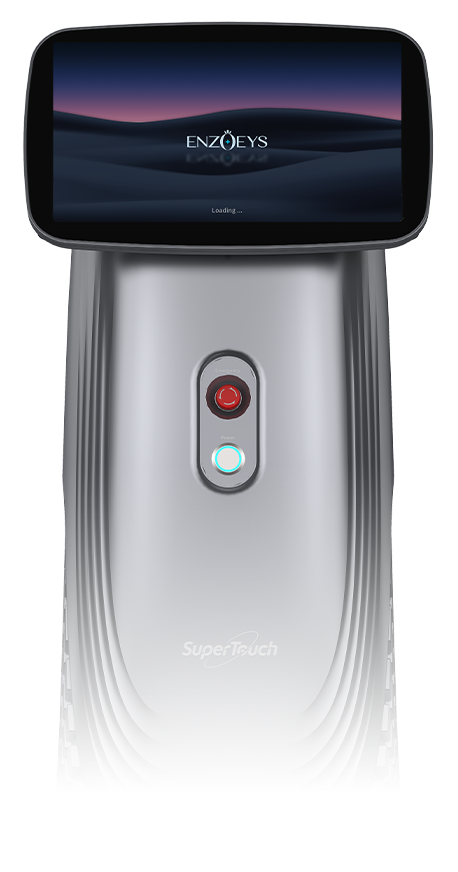
When clinics buy with the patient journey in mind, outcomes improve and teams feel more confident. The right partner blends clinical evidence, dependable servicing, and flexible device architecture—attributes that make transitions smoother and care more predictable. For practices that want that balance, ENZOEYS offers modular solutions and operational support that align technology with patient-centred workflows.