

Introduction: A Tiny Jar, A Big Shift
I was standing in a beach-side bathroom, the mirror still foggy, watching a friend do her nightly skincare shuffle. Next to her sink sat an acrylic cream jar, catching the light like a tiny spotlight. About six in ten shoppers say packaging affects trust and purchase—more than most folks admit when asked. Yet the moment that lid twists, the story gets real: is it sturdy, clean, and easy to open with damp hands (or just slippery and loud)? If something as small as a jar sets the tone, what else is hiding in plain sight—and why do some jars feel better right away while others fall short so fast?
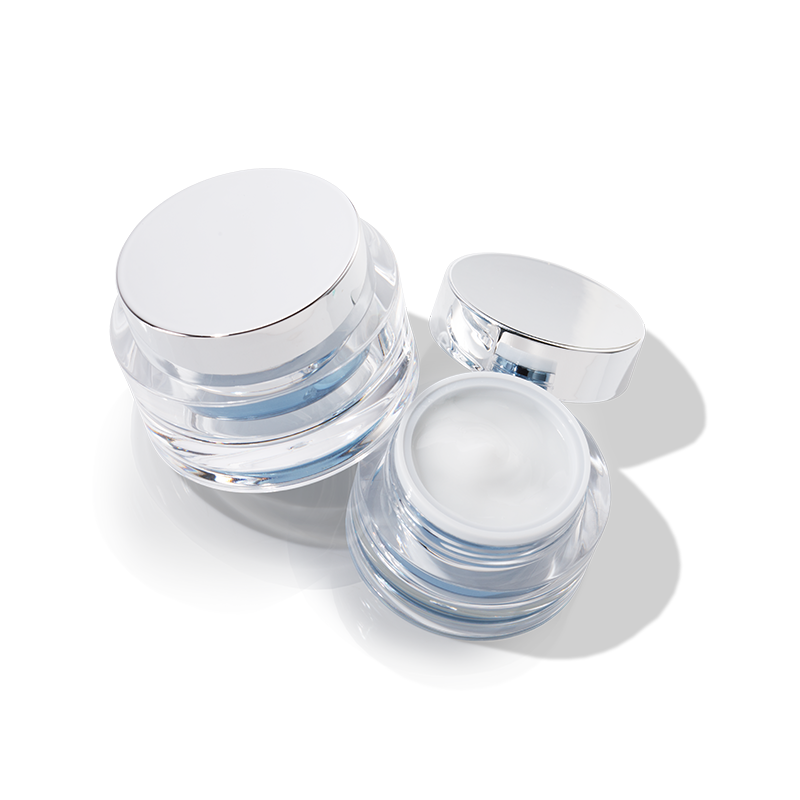
Let’s dig into the nuances that make one clear container feel premium, practical, and sustainable enough to keep using—and how those details stack up against old habits. Next up, we’ll look at the friction you can’t see at first glance.
The Hidden Friction Few Talk About
What’s the real snag?
Here’s the straight truth: a well-built acrylic face cream jar quietly fixes issues that users rarely say out loud. The first pain point is grip and closure. If the thread pitch is off by a hair, torque testing fails and you feel that gritty twist. If gasket compression isn’t right, you get air leaks and dry-down at the rim. Look, it’s simpler than you think—precision matters. Injection molding with tight mold tolerance reduces flash and wobble, so the lid meets the body with a clean, confident seal. Add a UV stabilizer and you slow yellowing while protecting light-sensitive formulas. Simple parts, big wins.
The second pain point is formula safety over time. Many jars look clear but ignore oxygen transmission rate, which drives oxidation near the surface. A double-wall design creates a small buffer that helps with temperature swings and reduces light exposure at the edges. Even a thin barrier layer makes a difference. This is where small choices add up in daily use: less crust by the spatula line, fewer leaks in a carry-on, and a smoother start every night. If you’ve ever wiped the lip clean after every use, you already know the cost of getting these details wrong.

Comparative Insight: New Principles That Change the Jar Game
What’s Next
Moving beyond old, single-wall tubs, we’re seeing new technology principles reshape the category. Modern designs pair an acrylic shell with a polypropylene inner cup for contact safety, then tune thread geometry for consistent closure torque. Vacuum metallization on the inner wall cuts light intrusion without hiding the product—neat trick. Induction seal liners reduce early exposure during transport. Together, these steps lower OTR at the surface film, which means less formula drift. When you look at next-gen acrylic cosmetic cream jars, the best ones combine resin clarity with a smart barrier strategy, not just a pretty shell. And yes, PCR resin is getting cleaner—funny how that works, right?
Comparatively, legacy jars chase shine but miss consistency under stress. Temperature cycles, bathroom humidity, and quick hand torque reveal flaws fast. New builds chase reliability instead: tighter QA sampling, better thread-to-gasket fit, and coatings that limit UV transmission without dulling the look. The result is practical beauty—less residue at the rim, fewer micro-leaks in transit, and better texture on day 60. If you want a simple rubric, keep it grounded and technical at the same time. Three metrics help: verify closure torque consistency across batches, check UV light transmission and yellowness index over time, and look for documented oxygen ingress limits or a clear barrier strategy. Those tell you more than a glossy finish ever could—and they map to real, repeatable performance. In short, choose the jar that treats formula care like an engineering problem, not just an aesthetic one. That’s how a clear container quietly earns trust, day after day, with no drama and fewer wasteful returns. Knowledge shared, no hype—thanks to partners who sweat the details, like NAVI Packaging.