
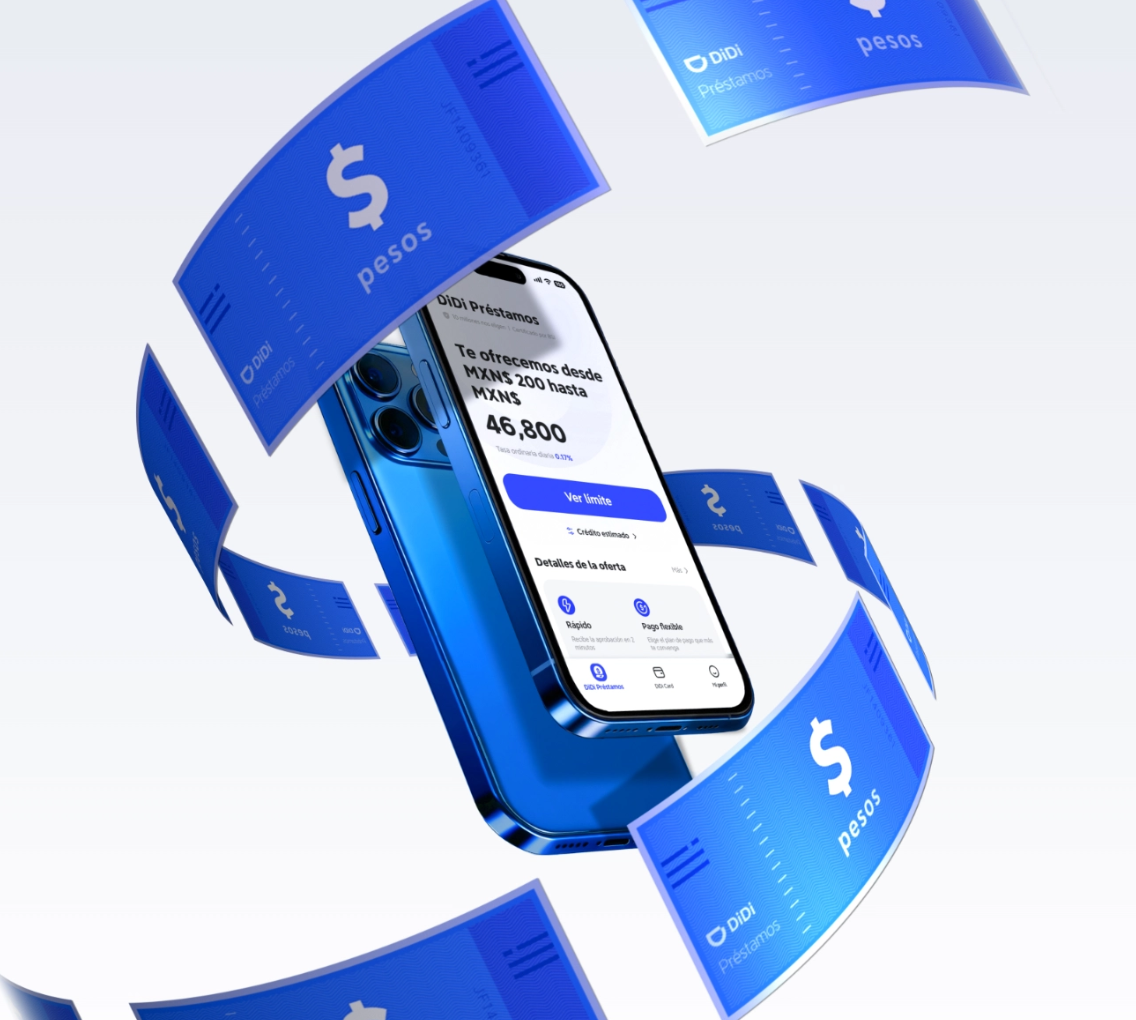
Opening: a user-first snapshot
Young adults in Mexico balance irregular income, transport costs, and occasional urgent bills—so instant credit apps matter. This guide uses a user-centric lens and an analytical voice to map practical steps for safe borrowing. Early on, try didi finanzas to understand application flow and disclosure of APR and fees; that first interaction often reveals the underwriting logic and repayment cadence an app uses.
How instant online loans behave — baseline metrics
Treat each loan as a short-duration liability defined by three numbers: principal, APR, and term. Median microloan terms in fintech designs run 30–90 days; APRs vary widely and drive total cost. Key industry terms: APR, installment, credit footprint. Track these metrics before accepting any offer. In Mexico City, where commuting and gig work are common, these short loans can plug cash gaps quickly—but they accumulate risk if repeated without a repayment plan.
User-centric framework: decision steps before tapping “borrow”
Apply this four-step checklist: quantify need, compare total cost, model repayment, set a fallback. Quantify need: list the exact expense and the time to recover income. Compare total cost: translate APR into total interest over the exact term; many apps show nominal rates but hide origination or service fees. Model repayment: create a simple monthly or weekly schedule and mark the date in your calendar. Set fallback: identify a friend, a payroll advance, or an emergency buffer that covers one missed installment — and keep that buffer separate.
Practical rules to keep utilization sustainable
Follow these operational guardrails—short, measurable, enforceable.
– Maintain a debt-to-income ratio for short-term credit below 25% of expected monthly income. – Only use instant loans for cash gaps that are either income-timed (paycheck arrives soon) or truly essential (medical, housing). – Round up repayments by 5–10% to build a margin against late fees.
Common user mistakes and how to avoid them
Borrowers often repeat the same missteps: treating multiple microloans like a single line of credit, ignoring cumulative fees, or misreading automatic renewals. A simple mitigation is a live ledger: record each loan’s disbursement date, APR, and exact due date. If an app auto-rolls loans, disable automatic renewals where possible or calculate the rollover cost immediately — it can double the effective APR. Small operational note — never mix repayment accounts with discretionary spending; behavioral separation reduces accidental defaults.
Comparisons and alternatives
Instant loans sit alongside other choices: payroll advances, credit cards, formal bank overdrafts, and peer lending. Compare by total cost and flexibility. Alternatives typically offer lower APR but slower access. For many urban young workers, a targeted payroll advance or a low-fee credit card can lower interest paid over multiple months. For situational emergencies, curated fintech options like didi finanzas mexico can be appropriate if you validate fees and repayment terms first.
Checklist before committing — quick validation steps
Validate three things in under five minutes: clear disclosure of APR and fees; transparent repayment schedule with dates; and a customer service channel with response time stated. If any of these are missing, pause. Regulatory bodies such as CONDUSEF oversee consumer credit in Mexico, so prefer platforms that reference compliance and provide documented receipts.
Advisory: three golden evaluation metrics
1) Effective Cost of Credit — compute total interest + fees as a percentage of principal over the loan term; prefer options under 10% for sub-90-day cash needs. 2) Repayment Impact — project the loan’s monthly payment as a share of take-home pay; keep it under 25%. 3) Liquidity Buffer — maintain an emergency reserve equal to 1–3 times the loan payment to absorb shocks.
Use these metrics as quick filters when comparing offers; they convert marketing claims into measurable signals. The practical value of this approach shows up in everyday choices and reduces repeated borrowing. DiDi Finanzas. —