
Facing the HCR consistency problem
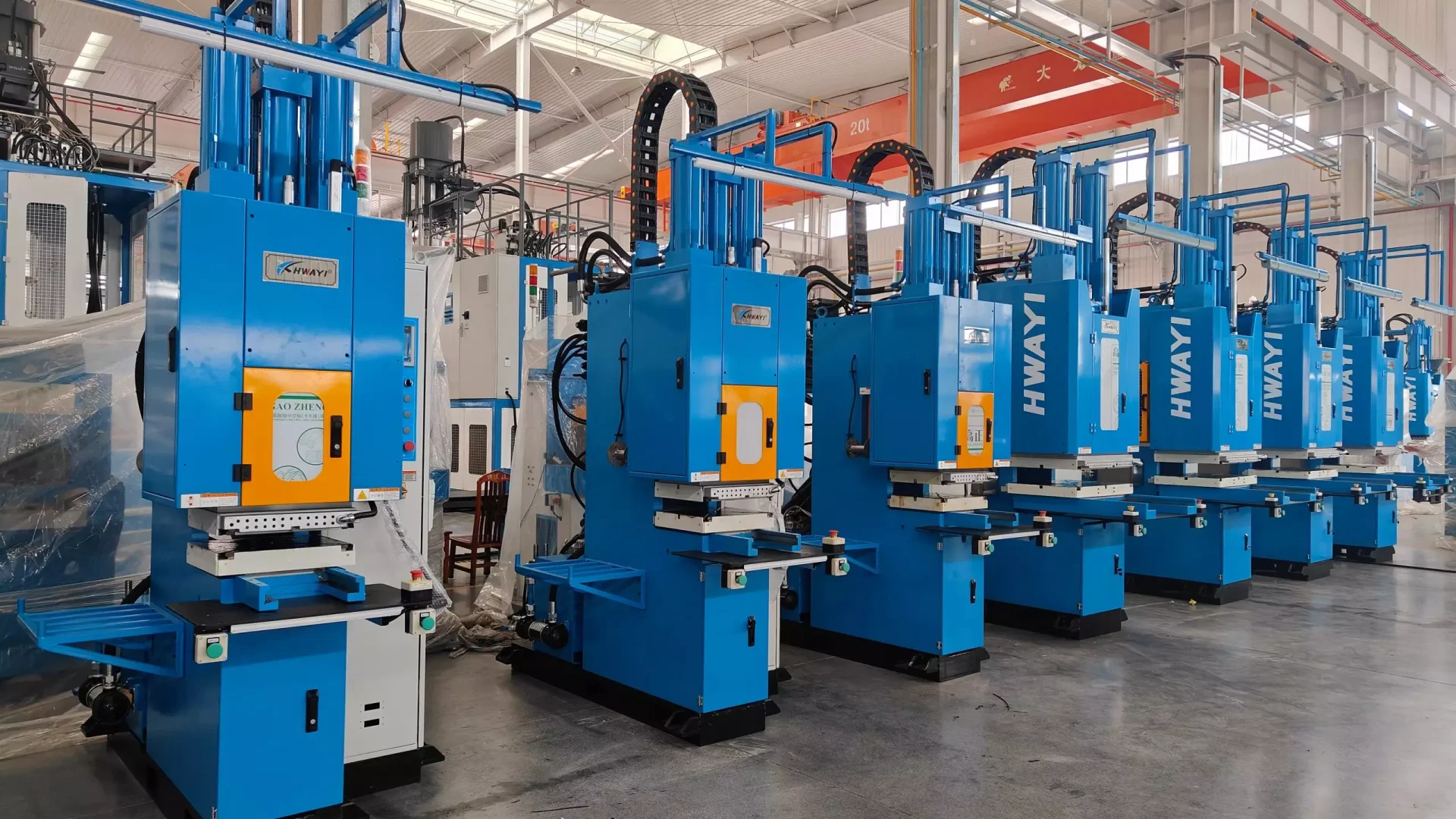
The stubborn issue most production floors meet is inconsistent HCR parts—surface blemishes, variable Shore hardness, and fluctuating cure times—that wreck yields and client trust. For manufacturers moving from prototyping to repeatable runs, that variability often traces back to machine geometry, thermal control, and shot repeatability. A careful switch to an optimized lsr molding machine can remove many root causes, because these systems are built for tight shot size control and stable injection pressure suited to silicone elastomers.
Why an ordinary press amplifies problems
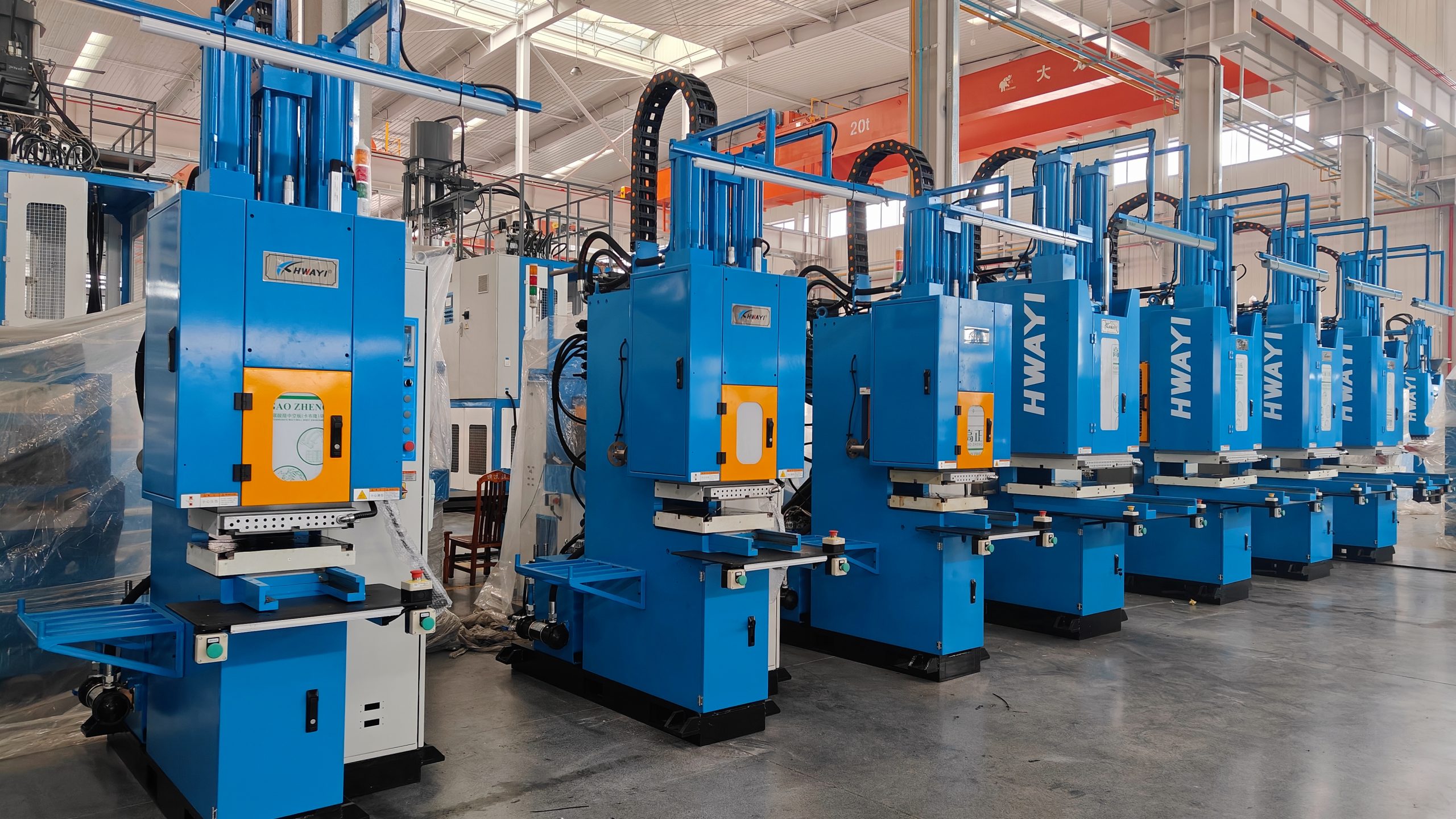
Many shops try to chase productivity with a generalized press or retrofit a traditional platen machine. That choice raises clamp inconsistency and uneven mold temperature—both killers for HCR parts. Clamping force variance changes flash and dimensional tolerance; uneven mold temperature alters cure profile and crosslink density. On-site experience from ventilator seal runs during the 2020 production surge showed medical suppliers who used machines without precise platen control saw higher scrap and rework rates—an expensive lesson about machine selection and process control.
How a custom C-frame design addresses the gaps
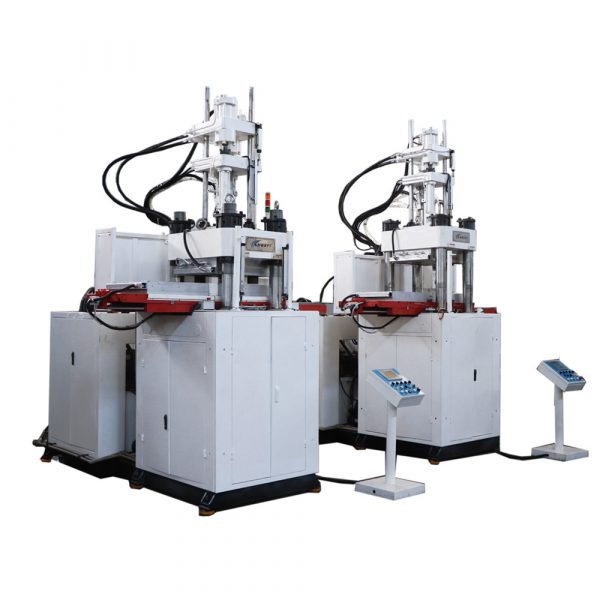
C-frame machines offer access and reduced footprint but historically lacked uniform platen support—until designs tailored for silicone came along. A custom C-frame can combine targeted clamping stiffness with dedicated liquid silicone injection systems, giving stable injection pressure and repeatable shot size. That stability keeps mold temperature uniform and supports consistent curing. The engineering detail matters: valve gates sized for LSR flow, a heated manifold that minimizes cold spots, and servo-driven injection to control split-second flow—each reduces variability and raises first-pass yield.
Practical adjustments that produce reliable HCR parts
Fixes are straightforward when you know where to look. Start with mold temperature mapping and embed thermal sensors. Balance shot size against mold venting to avoid trapped air. Adjust injection speed profiles so the shear heat doesn’t over-accelerate curing near gates. Don’t skimp on maintenance—worn screws or incorrect lubricant affect residence time and viscosity. These steps pair well with a purpose-built silicone rubber molding machine that’s set up for LSR/HCR service, including cartridge heaters, accurate thermocouples, and servo control.
Common mistakes and how to avoid them
Teams often chase faster cycles rather than stable cycles. That shortcut increases variation and yields that look good one day and bad the next. Another frequent error is underestimating tooling—improper venting or non-uniform cooling channels remain the top sources of flash and sink. Finally, ignoring compound batch variance creates process drift; track material lot numbers and correlate them with hardness and cure time. A modest investment in process monitoring will pay for itself in reduced rejects—trusting equipment alone won’t fix all variability.
Three golden rules to evaluate solutions
Measure machines by three critical metrics before committing. First, clamping stability: verify rated clamping force and platen flatness under load—this predicts dimensional repeatability. Second, thermal uniformity: demand thermal mapping data or evidence of consistent mold temperature across cavities—this governs cure consistency. Third, control fidelity: inspect injection profile capability (servo responsiveness and shot size resolution), because consistent injection pressure and shot volume are essential for HCR repeatability. These rules let you compare options without guesswork.
Summary and next step
Solving HCR variability is a systems task: match the compound, the mold, and the machine. A custom C-frame rubber injection platform that emphasizes clamping stiffness, thermal control, and precise injection delivers repeatable shot size and consistent cure—so yields climb and clients get parts that meet spec. For teams upgrading equipment, focus on those three evaluation metrics and document before-and-after process data; measured improvements validate the investment and shorten qualification cycles. Practical machines and disciplined process control—together they reduce surprises.
Follow these rules and you’ll see fewer rejects, steadier hardness readings, and more predictable cycle times—HWAYI understands that blend of machine engineering and process care. HWAYI. —