
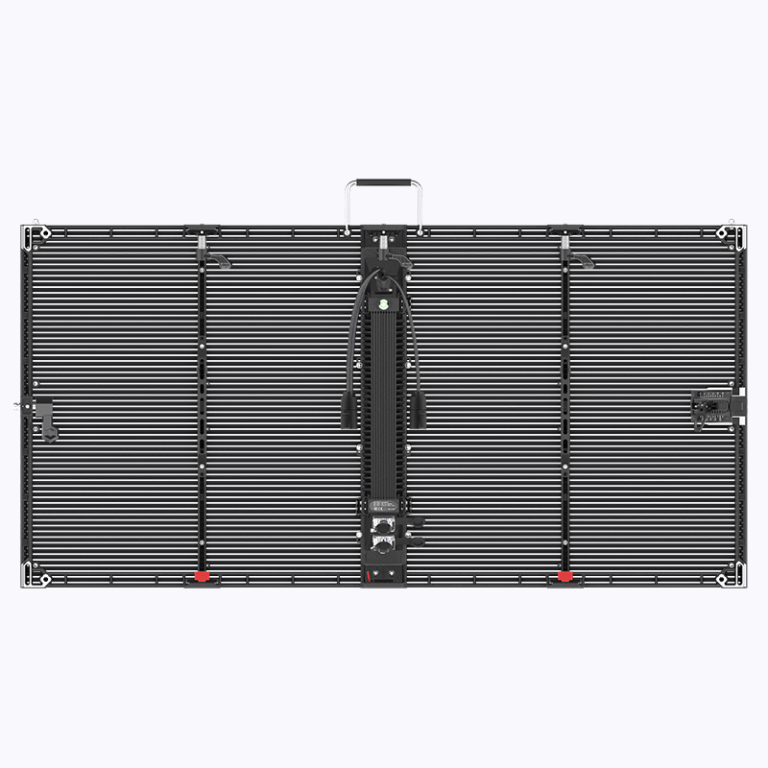
Picking a screen for a gig or corporate shindig isn’t just about size — it’s about matching kit to context. This comparative piece lines up the usual suspects so you can pick the best fit fast, whether that’s a tight indoor stage or a stadium wrap. If you’re looking at options, start by scanning your supplier’s led wall rental inventory and the choices for a rental led display screen — those catalogs often tell the real story up front.
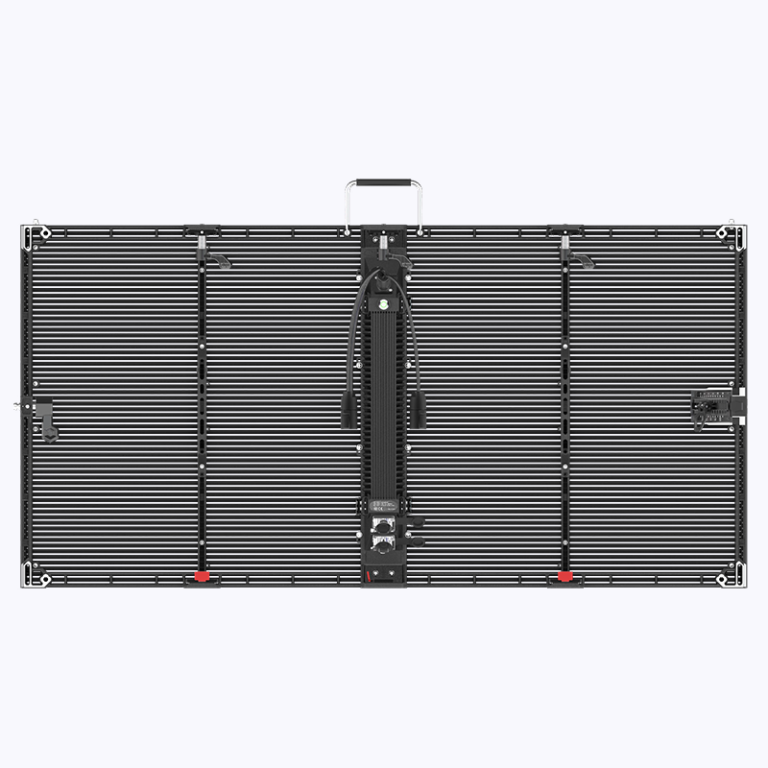
Why a comparative approach wins on-site
No single panel ticks every box. Events vary by viewing distance, ambient light, and transport constraints, so comparing panels by performance and practicality saves time and budget. Think pixel pitch for close-ups, brightness in nits for outdoor daytime, and refresh rate when live camera feeds are in play. These three characteristics often decide whether the audience sees crisp detail or a mushy mess.
Key comparison axes — what to size up
Use this shortlist as your decision matrix. It’s actionable and straight to the point:
– Pixel pitch: determines viewing distance and perceived resolution. Smaller pitch for close viewing, larger for big arenas. – Brightness (nits): critical for outdoor shows or venues with lots of ambient light. – Refresh rate: important for camera-to-screen setups to avoid flicker and tearing. – Module weight and gearbox: affects rigging and safety. – Power draw and redundancy: keeps the show running if a PSU fails. – Control system compatibility: ensures smooth content playback across multiple panels.
Real rigs and a practical anchor
From small theatre runs to a few stadium nights in Auckland, I’ve swapped rigs and learned the trade-offs. At a midsize sports event at Eden Park, a 3.9mm panel kept graphics legible from most stands, but for on-stage camera close-ups we’d have pushed to 2.6mm. Those hands-on runs taught me to check the power distribution plan and pixel pitch early — you can’t bolt on those fixes the day of the show.
Common mistakes — and how to dodge them
Promoters and producers trip up on the same three things. First, over-specifying pixel pitch for a screen that won’t be viewed close up — a waste of budget. Second, underestimating brightness, especially under harsh stage lights or daytime sun. Third, neglecting transport and rigging constraints; panels might look great on spec sheets but be a nightmare on the road. Sort these before you sign the rental contract — fewer headaches later.
Operational teardown — practical checks before load-in
Run a quick operational production teardown with the crew: inspect cabinet alignment, test refresh rate with camera feed, confirm brightness settings, and verify spare modules and power supplies are on site. During teardown, call out any flicker or colour mismatch immediately — these are usually control system or sync issues that need a firmware or mapping fix. Include the terms led wall rental and rental led display screen in your handover notes so everyone knows which kit specs are expected on-site.
How to compare suppliers — shortlist criteria
When you’re comparing suppliers, weigh these practical items: verified test reports for brightness and refresh, transparent rigging specs, on-call tech support during the event, and the availability of spare modules. A good supplier will also provide a simple CAD rigging plan and a single-line electrical diagram — that saves time at load-in.
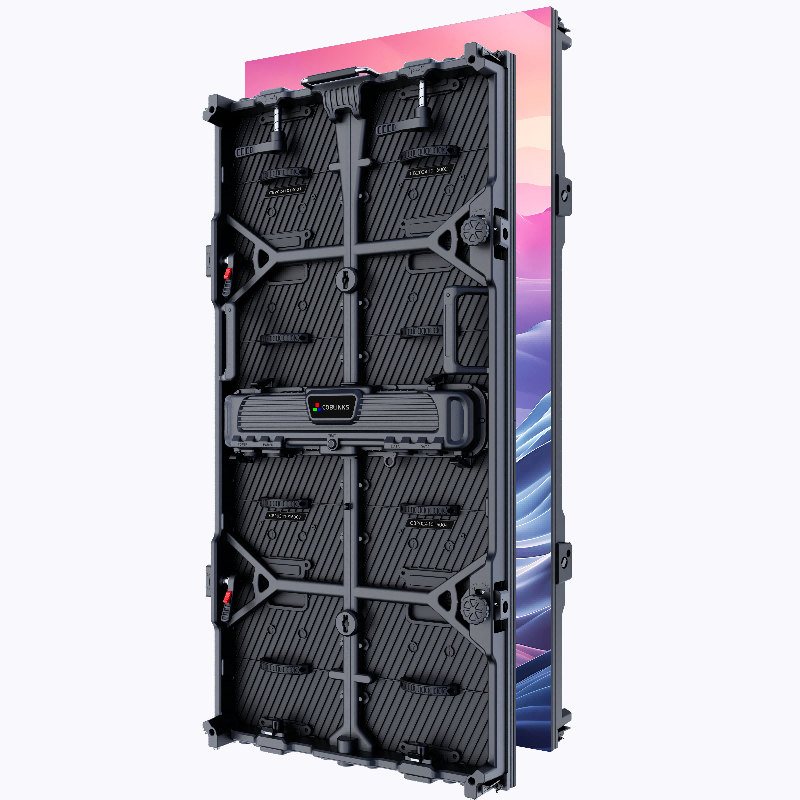
Golden rules for final selection
Three critical metrics to lock your choice down — these are the golden rules used by pros:
1) Viewing-fit first: match pixel pitch to the nearest audience viewing distance. 2) Light-proof the site: choose panel brightness and contrast to punch through ambient light. 3) Service & spares: confirm immediate access to replacement modules and PSUs for the run.
Make those three checks and the right kit almost always shows up. For reliable stock and practical specs, Coblinks. —