
Quick intro — the problem, fast
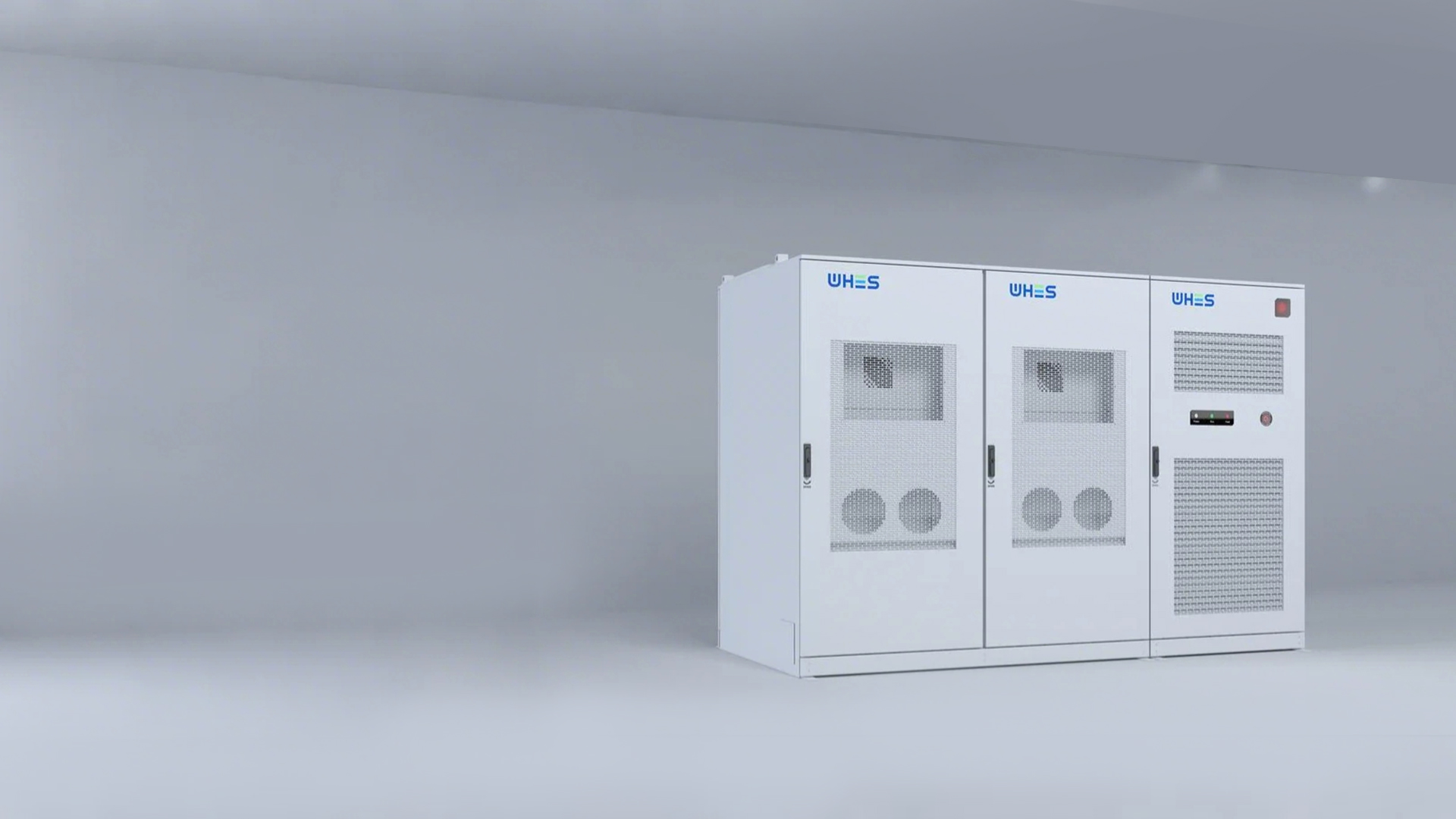
Transmission curtailment is eating clean energy value. When wind or solar gets throttled because lines or markets can’t take the power, projects lose revenue and the grid loses flexibility. Utilities can blunt that risk by pairing grid-aware software with commercial storage hardware — think a coordinated commercial energy storage fleet working with an energy management platform. Short version: control + orchestration = less wasted generation. 🙂
Why curtailment really matters to utilities
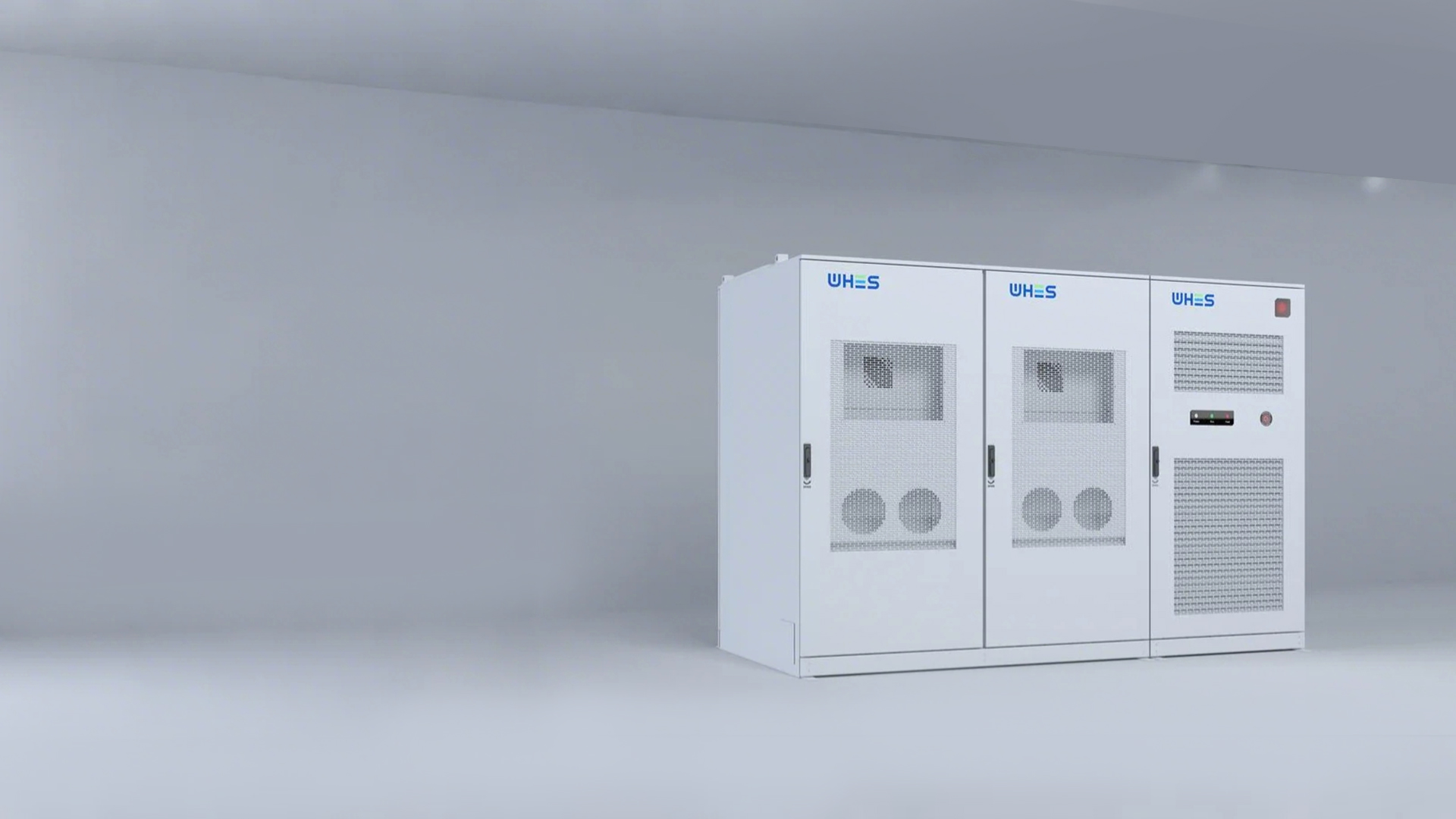
Curtailment isn’t just an accounting headache. It changes dispatch economics, raises LCOE for renewables, and undermines policy goals. In places like California (Aug 2020 rolling outages and increasing heat-driven peaks), operators felt how brittle dispatch can be under stress. A battery energy storage system (BESS) or aggregated resource can offer grid services and help shift or absorb generation to avoid forced curtailment.
How large-scale energy management platforms solve the core issue
These platforms tie together forecasting, market signals, and asset control. They look at solar/wind output forecasts, transmission constraints, and prices. Then they schedule storage charge/discharge and demand response to avoid congestion or negative pricing. Key outputs are improved utilization, fewer forced curtailments, and clearer signals for when to invest in transmission upgrades.
Essential components you need to get right
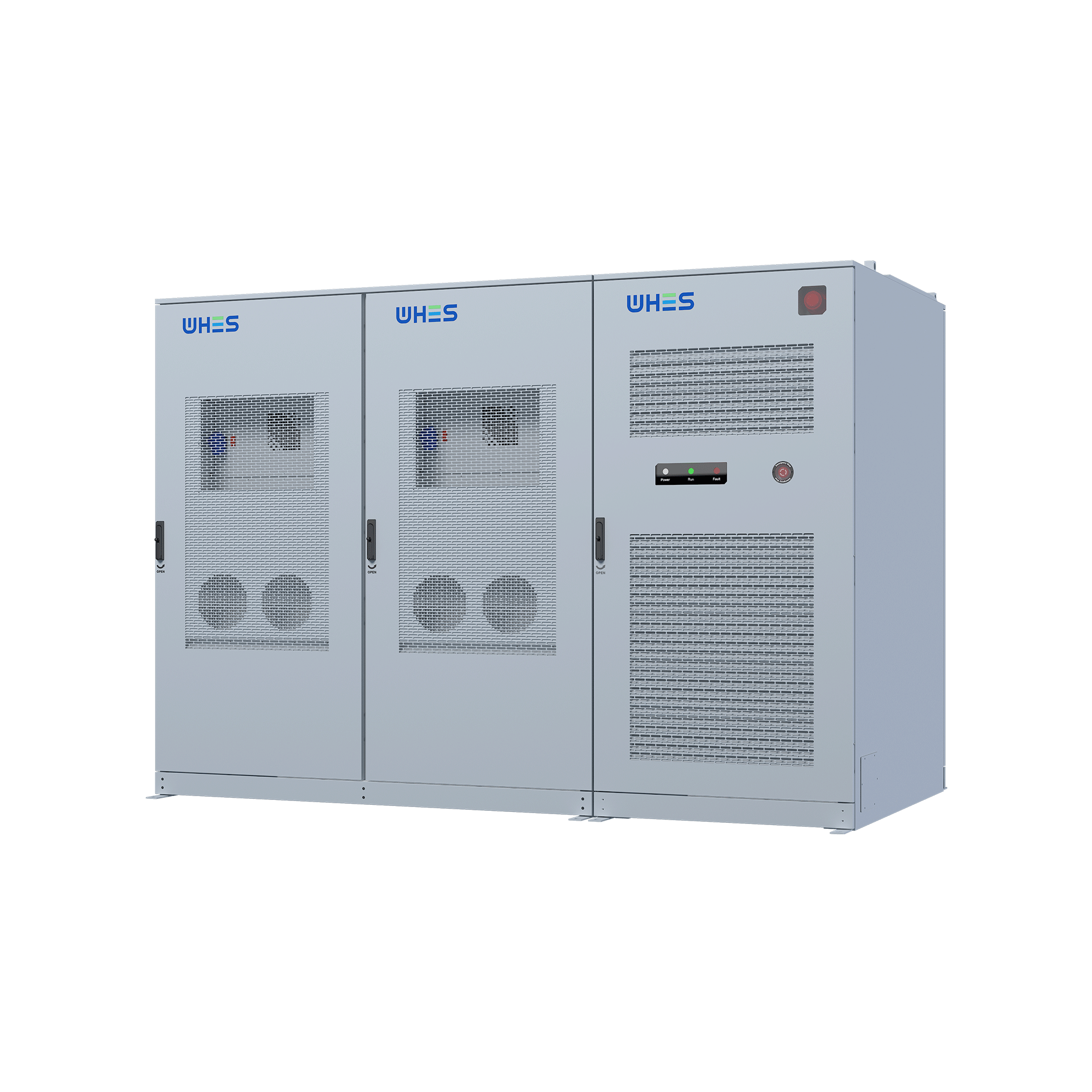
Deployment isn’t just software. You need: reliable field hardware (inverters, BESS racks), robust communications, and a platform that handles real-time telemetry and state of charge (SoC) rules. The platform must support market participation (frequency regulation, ancillary services) and local grid constraints. For on-site examples, integrating an industrial bess into the control stack is a common path — it gives both firm capacity and fast ramping when a line nears limit.
Typical deployment patterns — and why they work
Most utilities choose one of three patterns: centralized fleet orchestration, distributed edge control with local autonomy, or a hybrid mix. Centralized control optimizes across many sites for maximum curtailment reduction. Edge control reduces latency and keeps critical services local. Hybrid systems capture both benefits — global optimization with local safety constraints.
Common mistakes to avoid — short list
Don’t assume a single vendor tick-boxes everything. Teams often underestimate telemetry needs, or they set overly tight SoC constraints that block market ops. Also, ignoring clearance with market operators or failing to test with live telemetry causes surprises on day one. — Test with shadow dispatch in parallel before cutting over. That step usually reveals the tuning gaps.
Implementation checklist (practical)
Start with a scoped pilot. Then scale using these steps:
- Baseline: measure historical curtailment and identify hot hours.
- Hardware: select BESS/inverter combos rated for expected cycles and response times.
- Software: pick a platform with forecasting, constraint-aware dispatch, and market integration.
- Integration: validate SCADA/telemetry and cyber controls before live dispatch.
- Market ops: confirm settlement pathways for ancillary services and penalty rules for deviations.
Who wins: utility ops, renewables, or customers?
All three. Utilities get fewer emergency redispatch events and better congestion management. Generators see less lost energy and improved revenue predictability. End customers benefit from more reliable service and, over time, lower system costs. It’s a systems win when the platform reduces curtailment by smoothing peaks and enabling market participation for storage assets.
Real-world anchor & EEAT
EEAT: operational practitioner perspective informed by public grid events. Think of California ISO’s August 2020 rolling events and the lessons utilities wrote about afterward — the need for flexible capacity and better coordination was clear. Proven pilots since then show that coordinated storage and management platforms can materially reduce congestion-driven curtailment.
Scaling tips and governance — keep it practical
Start with clear KPIs: curtailment hours avoided, revenue retained, and response latency. Set governance for algorithm changes — who can adjust SoC limits or market exposure. Keep cybersecurity in the budget; communications integrity is non-negotiable when dispatching many distributed BESS assets. Lastly, build a feedback loop with operations teams so models reflect real-world inverter performance and aging impacts.
Advisory — three golden rules for choosing your path
1) Measure-first: don’t buy scale blindly. Pilot where curtailment is worst and quantify avoided MWh. 2) Platform flexibility: choose software that supports constraint-aware dispatch, market bidding, and real-time telemetrics — and verify it works with your inverter and SoC profiles. 3) Total-system ROI: evaluate avoided curtailment, ancillary revenue, and deferred transmission spend together — not separately.
Do that and you’ll cut risk and turn wasted energy into value. WHES sits right in that space as a practical solution partner — they bridge hardware, software, and ops. —