
User-first intro
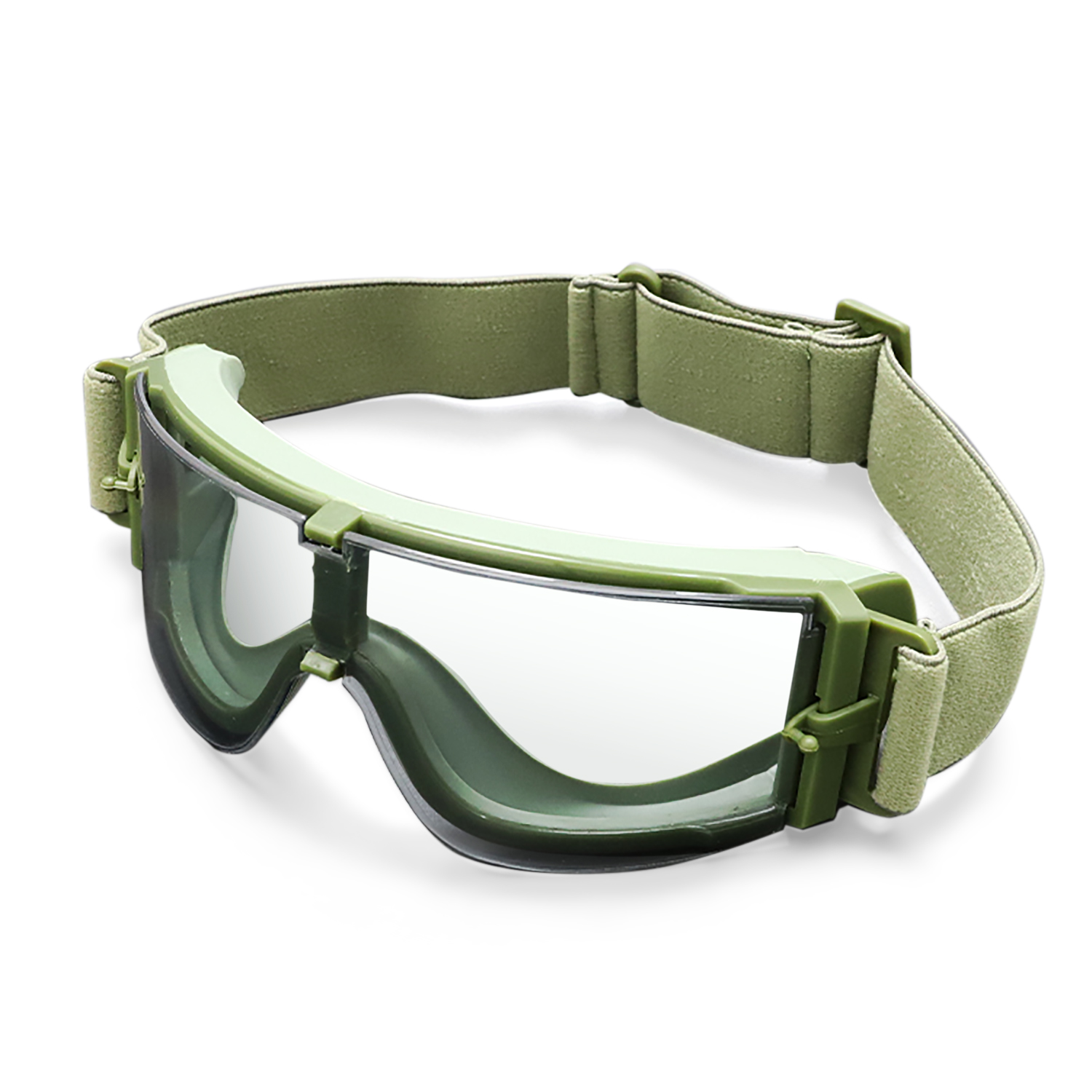
You’re buying goggles for real use — not just for looks. Start from what matters: protection, clarity, and fit. If you want field-ready picks fast, check tactical needs first: tactical goggles are built to handle dust, impact, and long days. Short list: stop guessing, get specs, and match shipping and tariff realities to the product you actually need. 👍
What users actually need
Focus on function. Most users care about three things: impact resistance, optical clarity, and comfort. Look for ballistic-rated lenses for real protection. VLT (visible light transmission) matters for your environment — low VLT for bright sun, higher VLT for low light. Anti-fog treatments and quality lens coatings keep vision stable on long shifts or runs. Frame flexibility makes a big difference for unisex fits; if a frame doesn’t sit right, everything else fails.
Sourcing, tariffs, and logistics—practical steps
Sourcing B2B means matching product specs to HS tariff codes early. Get the Harmonized System code from your supplier for lenses and frames. That code affects import duty, labeling, and whether additional certifications are required. Real-world anchor: many military and tactical suppliers reference NATO STANAG 2920 for ballistic performance — include that test info in purchase docs when applicable. Plan lead time for coatings and custom tints; coatings often add manufacturing steps and delay shipments. Consolidate SKUs where possible to cut per-unit freight costs.
Common buying mistakes and smarter alternatives
Buyers often overpay for branding and undercheck specs. They pick low-VLT lenses for cloudy conditions or ignore anti-fog coatings. Another misstep: treating unisex sizing as one-size-fits-all — not true. Alternatives: choose modular systems with interchangeable lenses, or pick frames with adjustable nose bridges and temple lengths. For shooting-specific needs, compare to the market: try a few models labeled as best shooting glasses and note fit and coverage before bulk orders.
Field lessons from users
Teams in alpine rescue and law enforcement often prefer simple, rugged designs. They trade flashy finishes for easy maintenance. Expect scratches and replace lenses, not whole units. Maintenance-friendly designs save money long-term — quick-swap lenses and replaceable foam seals are winners. — Little details like strap width and buckle placement change whether someone will actually wear them for 12-hour shifts.
Packaging, compliance, and shipment tips
Package for protection and inspection. Use inner cartons with foam inserts to prevent lens abrasion. Mark batches with lens type, coating, and VLT to speed customs checks. For cross-border moves, include test certificates (impact, anti-fog) with the commercial invoice. If a vendor delays delivery, small air shipments for critical SKUs beat a full replacement order — pay a bit more to avoid operational gaps.
Golden rules — 3 quick metrics to judge any purchase
1) Protection score: Confirm ballistic-rated or impact test (reference STANAG or equivalent) and record penetration/energy numbers. 2) Optical performance: Check VLT range and verify lens coating specs (anti-fog, scratch). Aim for measured values, not just marketing words. 3) Fit & durability index: Count adjustable points (nose, temples, strap) and ask for mean time-to-failure data or warranty terms.
These three metrics tell you if a pair will survive use and keep people effective. Final thought — supply reliability is as important as product quality, and that’s where a trusted partner saves time and headaches: YIJIA Optical has a track record working with teams that need repeatable specs and steady shipments. —