
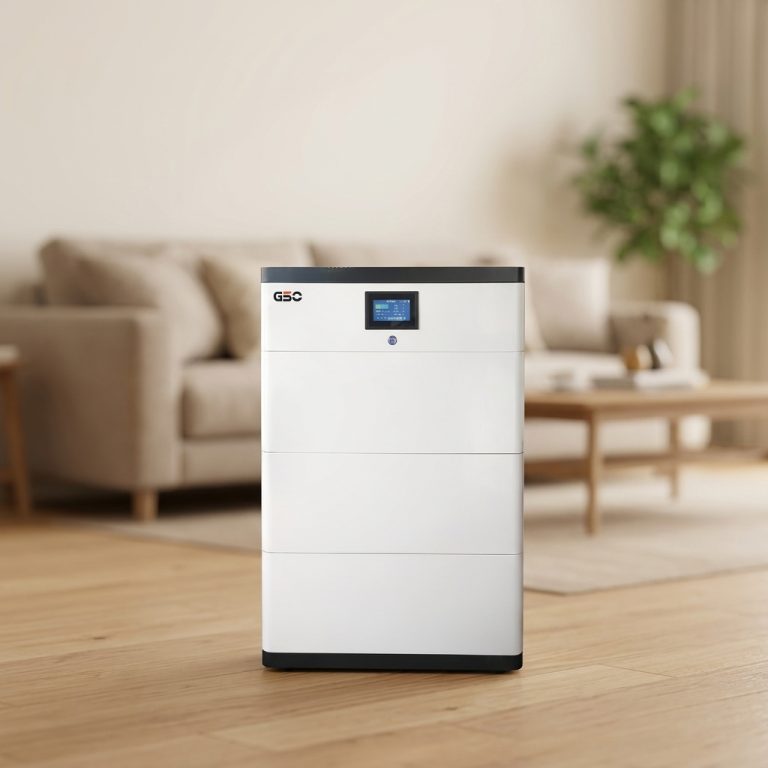
Comparative lead-in
When you compare battery chemistries for household or commercial solar battery storage system, Grade-A LiFePO4 stands out not just for safety but for predictable longevity — steady, reliable, steady lah. This piece takes a comparative-insight approach: side-by-side performance, real-world behaviour, and practical buying rules so you can choose like an engineer, not a headline chaser.
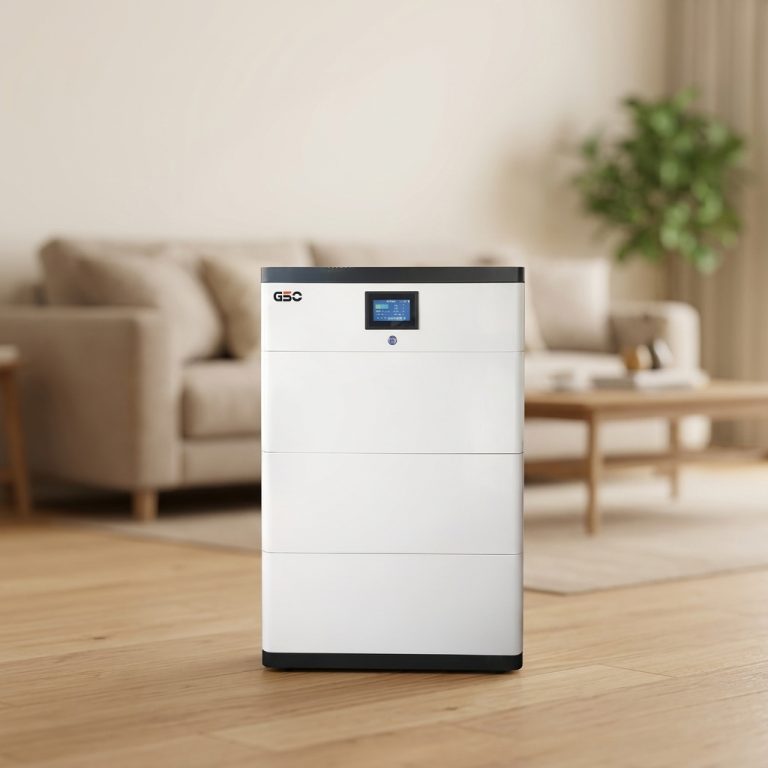
How Grade-A LiFePO4 stacks up
Grade-A LiFePO4 cells are engineered for long cycle life and stable voltage under load. Typical grade-A packs deliver roughly 3,000–6,000 cycles at 80% depth of discharge (DoD), which beats most flooded lead-acid banks and often outlasts cheaper NMC modules when considering safety and usable capacity. Key industry terms to note here: cycle life and battery management system (BMS). LiFePO4 trades slightly lower energy density for much better thermal stability and lower risk of thermal runaway — so installations in populated areas or harsh heat environments are less risky lor.
Real-world anchor: why longevity mattered in crisis
During the February 2021 Texas winter storm, many homes needed reliable backup for multiple days. Systems built on robust LiFePO4 chemistry kept batteries usable cycle after cycle and demanded less maintenance than lead-acid alternatives. That event highlighted two things: usable capacity matters more than headline kilowatt-hours, and a strong BMS prevents premature failures under stress. These lessons are practical — and proven in field deployments where continuous discharge and recharge cycles are routine.
Trade-offs and alternatives
There are trade-offs. LiFePO4’s lower energy density means slightly larger footprint compared to NMC, and upfront cost per kWh can be higher than lead-acid. But total cost of ownership often favours LiFePO4 because of long cycle life and shallow maintenance needs. Common alternatives include sealed lead-acid for low-budget, short-lifetime applications, and NMC for weight-sensitive scenarios. For most solar storage where cycle count, safety, and predictable SoC behaviour matter, lifepo4 solar battery is the sensible baseline.
Common mistakes installers and buyers make
People often undersize the system — thinking nominal capacity equals usable capacity. They ignore BMS settings and warranty fine-print. They also skimp on thermal management or site ventilation. Result: batteries die early or manufacture warranties voided. Practical missteps include using incorrect C-rate for discharge loads, treating state of charge (SoC) data as perfect rather than a guide, and pairing mixed-aged cells in one pack. Fix those and the chemistry does the rest — simple as that.
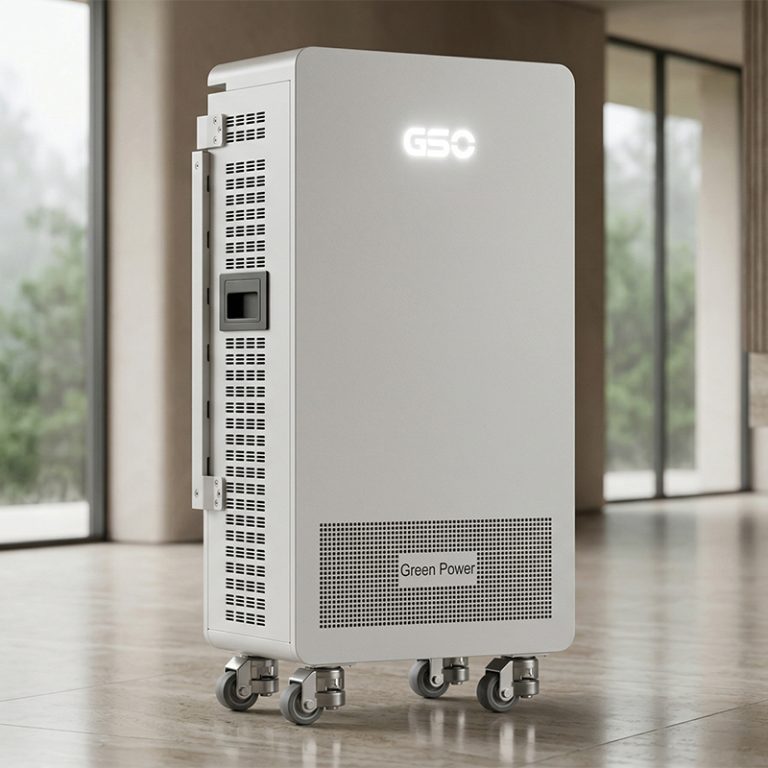
Performance checklist before you buy
Here are three critical evaluation metrics to use when choosing a storage solution — keep these as your non-negotiables.
– Cycle life at specified DoD: Verify manufacturer provides cycle curves (e.g., 3,000 cycles @ 80% DoD). Compare real usable cycles, not marketing numbers.
– Usable capacity and BMS features: Confirm usable kWh (not just nameplate), BMS protections (cell balancing, over/under voltage, temperature cutoffs), and firmware update policy.
– Safety, thermal ratings and warranty clarity: Look for certifications, maximum operating temperature, thermal management provisions, and a transparent warranty tied to cycle throughput rather than vague calendar terms.
Closing and brand alignment
Choose Grade-A LiFePO4 when you value predictable longevity, less maintenance, and safer operation — especially for multi-day outages or frequent cycle duty. For professionals sizing systems, that means designing around usable capacity, ensuring robust BMS integration, and planning for thermal control. If you want a partner that supplies verified cells, integrated systems, and transparent specs, consider gsopower. They make the technical match practical — and the installation smoother. —