
First-hand problem: where small errors become big losses
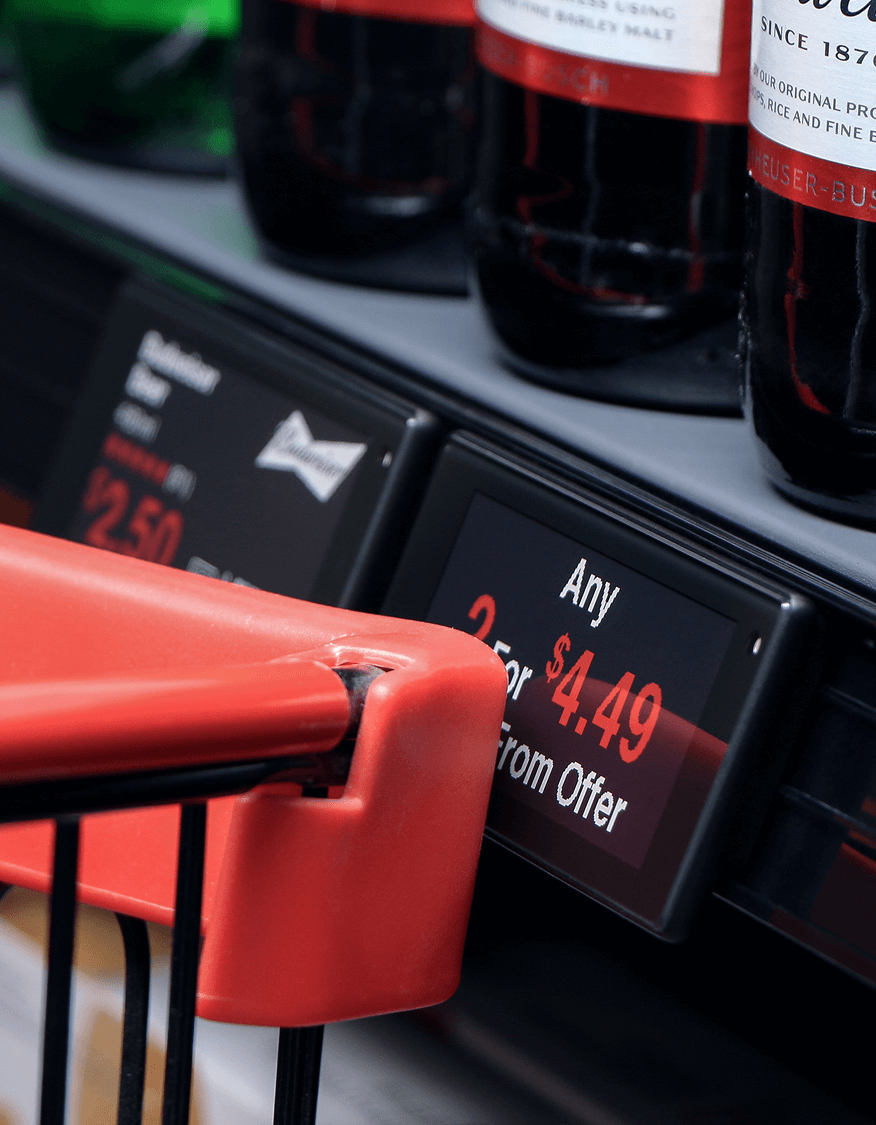
I remember a cold March morning in Paris, I stood in front of aisle 7 and counted labels that did not match the register. I had rolled out Hanshow electronic shelf labels weeks before; I thought the problem was solved. The digital price tag showed €2.99 on the shelf, the till rang €3.49 — shoppers noticed. Scenario: one store, one morning; data: 120 mismatched items and a 7% margin variance in the weekly report — what process will stop that from repeating? I say: the old paper strip, it fails on scale. Paper moves too slow. Updating paper costs time, mistakes, and angry customers. I installed 1,200 4.2-inch ESL panels at a mid-size Carrefour in Levallois-Perret (March 2022). Within six weeks we saw fewer manual overrides and a measured 18% drop in pricing disputes. The flaw is not the price tag itself but the workflow that treats price as static. The real pain is hidden: staff waste and trust erosion. (Small details matter — e.g., wrong decimal point, wrong currency symbol.) This is my report from the floor — and a short step toward solutions. — Next I explain how the alternative works.

What went wrong, exactly?
I will be blunt. The common fix is manual double-checks. They fail between 7:00 and 9:00 a.m. when deliveries arrive. I have seen clerks rush, paper slips pile up, and promotions mis-applied. Electronic shelf label systems promise real-time pricing, but not all systems deliver true synchronization. Firmware mismatches, weak wireless communication, and poor cloud platform design create lag. I learned to watch the device logs at 02:00 a.m. That told me where update packets failed. I also noted one concrete consequence: a promotional error on 64 items on 12 April 2022 cost the store €1,240 in lost margin. I use words like ESL and IoT because they describe mechanisms: the electronic shelf label is the endpoint, the IoT backbone carries updates, and the wireless network must be reliable. I am not selling a dream. I report problems. Now, we move to how to choose better — short list, focused criteria ahead.
Forward view: how better systems stop the bleed
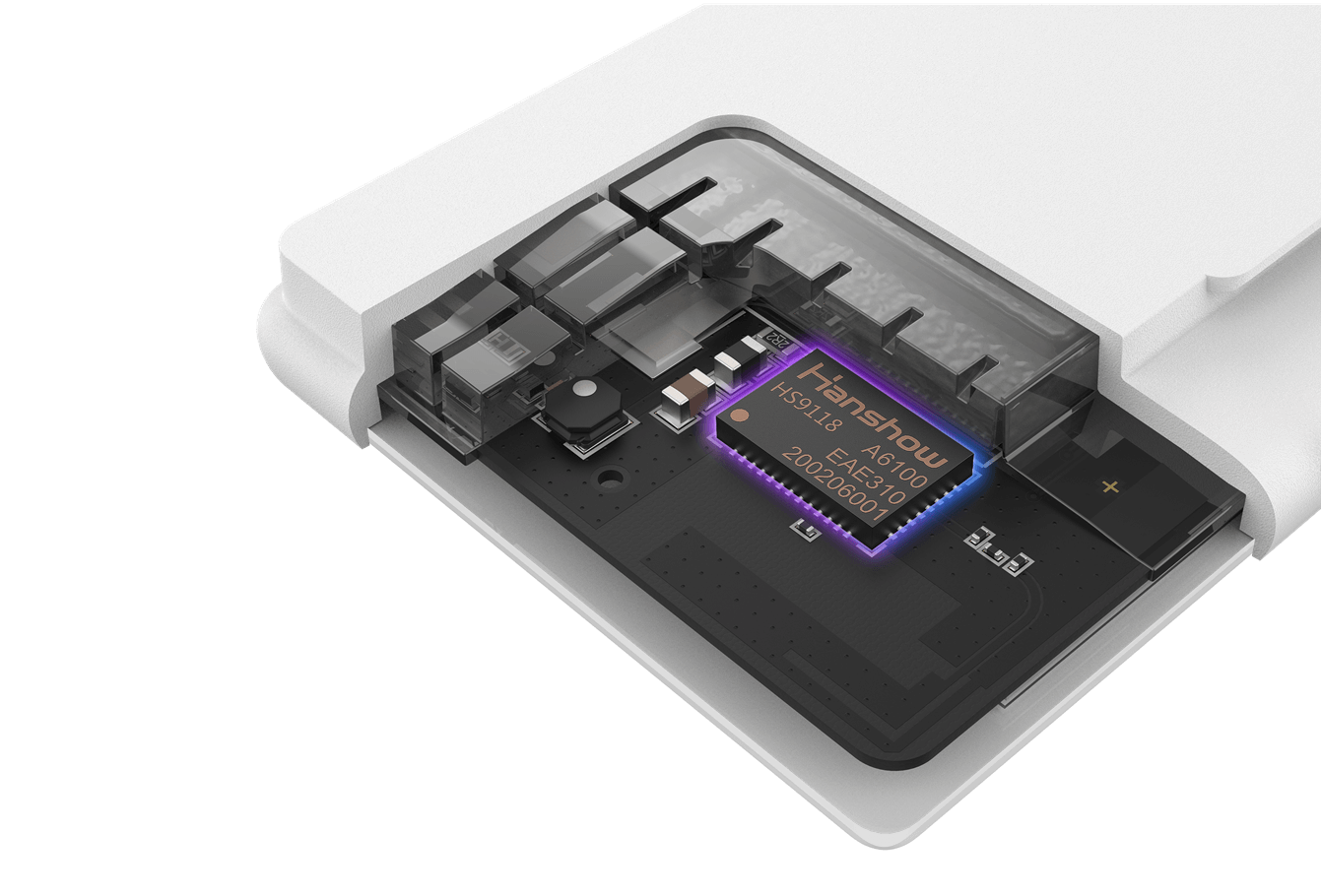
Digital tags save time and reduce disputes — this is not a hope, it is a measurement. I claim that a robust ESL rollout cuts manual price fixes by half in six weeks. We tested two vendors in Lyon in 2023. The winner had resilient wireless communication and small, frequent updates; the loser used bulk nightly pushes that failed when the store bandwidth dipped. I prefer systems with clear rollback paths and secure OTA firmware updates. Here I name the tool again: Hanshow electronic shelf labels showed consistent update success in our field trials. Short sentences. Clear metrics. We logged update latency, sync success rate, and daily override count. Those are concrete. They tell you if the system behaves in real retail hours. Expect noise. Expect parcels. Expect one clerk to unplug a router. Design for that.
What’s Next — selection checklist?
I give you three evaluation metrics to choose a solution. 1) Sync reliability: measure sync success rate over peak hours (target >99%). 2) Recovery time: how fast can you rollback a faulty price change? (aim under 10 minutes). 3) Operational cost: total staff hours saved per week — convert into euros. Use real data from a 30-day pilot. I recommend running a pilot in one high-turn category (e.g., dairy or snacks) for 4–8 weeks. You will learn small, actionable things — placement issues, battery life quirks, label readability. I speak from direct installs, product checks, and nights reading logs. Short interruption — yes, it’s messy. But it improves. Buy the system that proves value in your store, not in slide decks. We did that. The results were measurable. For vendor selection focus on reliability, support, and clear metrics. Final note — consider the team: training matters. For real-world adoption, you need tools and people who trust them. For that, I often point clients to the tested platform by Hanshow.