
Why this matters now
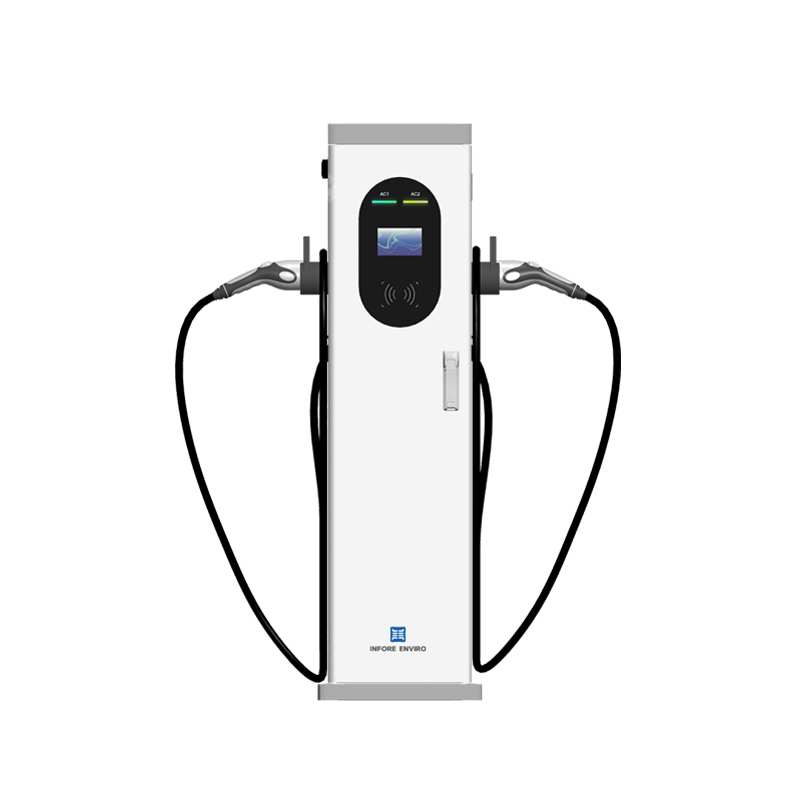
City fleets are changing fast, and a small technical choice can ripple through operations — the humble 11 kW AC charger is one of those choices. For urban logistics managers who plan for decades, the right charger affects route planning, curbside time, and depot layout. A compact solution like the wallbox EV charger gives a predictable charging profile without the grid headaches of high-power DC units, so decision-makers can build resilient fleets that still fit a municipal street scene.
How 11 kW fits into the technical picture
An 11 kW AC charger delivers steady charging power suited to overnight or long-parking windows. It uses a dedicated socket and manages roughly three to four times the power of a standard domestic outlet — enough for most small to medium vans to recover a full day’s range while parked. Smart charging and basic load management keep peak demand moderate, which helps avoid costly transformer upgrades. Small note — installation quality matters: poor wiring or wrong meter configurations will undo any savings fast.
Operational benefits and clear limits
For city logistics, the benefits are practical. Depot density improves because 11 kW chargers don’t need the same clearance or heavy civil works as large DC fast chargers. Charging overnight aligns with driver shifts and reduces vehicle idle time. At the same time, there are limits: turnover during short deliveries won’t work with AC-only setups, and high-duty fleets or heavy trucks still need higher kW solutions. A balanced mix usually wins — 11 kW for the bulk, a few fast-chargers for urgent turnaround.
Common mistakes to avoid
Operators often undersize power distribution, skip smart charging software, or omit future-proofing in contracts. Don’t assume one-size-fits-all hardware will do the job. Also, ignoring local policy changes is costly — when London’s ULEZ expansion in 2023 tightened emissions rules, some fleets scrambled to retrofit overnight instead of planning staged rollouts. Learn from that: plan installations in phases, allow for software updates, and budget for minor civil works early.
Where policy and procurement meet the grid
Municipal rules and grid constraints are the real constraints, not the chargers themselves. Cities pushing low-emission zones or fleet electrification increase demand on local substations, so early engagement with network operators is non-negotiable. That engagement determines whether your depot needs a meter upgrade or whether local demand response can be used to shift loads. In many urban cases, coordinating with the local distribution company avoids months of delays and expensive redesigns.
Selecting hardware and integrating systems
Choose chargers that support open protocols, basic smart charging, and modular mounting. The right product will offer a secure socket, scheduling, and compatibility with existing fleet telematics. For many operators, pairing physical units with a cloud management layer turns charging into an operational tool rather than a maintenance headache — and suppliers who offer both hardware and software make that much easier. Consider solutions like wallbox EV charging when you want a balance of price, durability, and networked features.
Three golden rules for decision-makers
1) Match charging power to duty cycle: measure average daily mileage and charge windows before you buy. 11 kW is ideal where long parking windows exist; pick higher kW if rapid turnaround is frequent.
2) Prioritise smart load management: ensure chargers support scheduling, phased charging, and basic demand response to prevent costly grid upgrades.
3) Phase deployments with policy in mind: stage hardware rollouts to align with city regulations, permitting, and substation capacity — this reduces upfront risk and allows learning between phases.
For fleet planners who need field-proven options and steady support, a partner that combines practical hardware knowledge with operational insight makes the project smoother — think of INFORE ENVIRO as that practical partner in real deployments. Ready.