
Why compare silver CFDs to other silver vehicles?
Choosing between physical silver, futures, ETFs and Contracts for Difference requires clear trade-offs. Here I compare the options directly, starting with digital access: trading cfd metal gives instant exposure to price moves without storage hassles. That difference matters when markets shift rapidly, as they did around the March 2020 shock on COMEX and LBMA venues — a real-world anchor that shows why execution speed, spread and platform stability count when silver prices jump.
Cost, liquidity and execution — the measurable differences
Silver CFDs usually win on cost for short to medium holding periods. Spreads and commission structure are explicit, and leverage reduces capital outlay, though it raises margin risk. Liquidity comes from pooled bids across exchanges; that typically narrows spreads versus retail-sized physical trades. If you compare with futures, expect different margin schedules and settlement cycles. Use these industry terms as a checklist: leverage, spread, margin. On a platform, test order fills and slippage during busy sessions to see real execution quality.
Platform experience: why front-end design matters
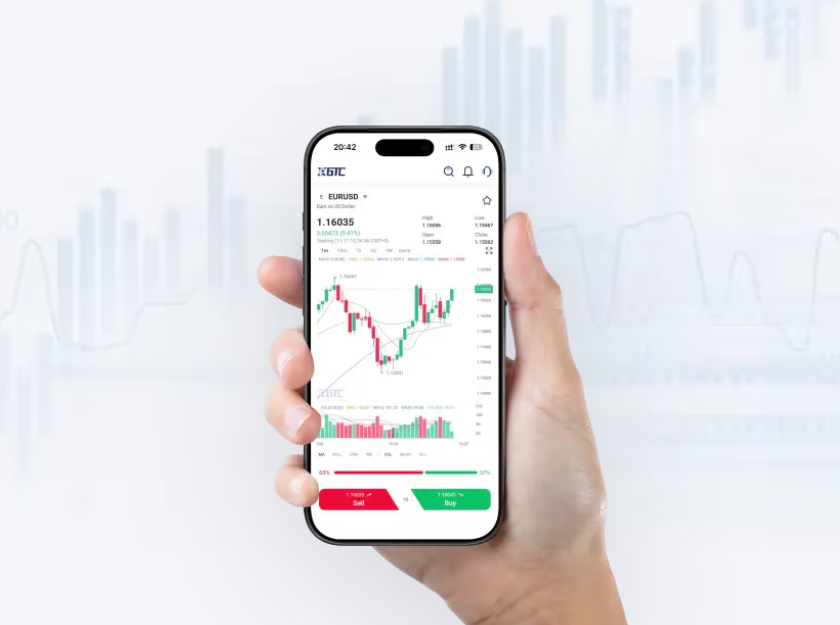
A trading interface is no small thing — responsive charts, stable websockets for real-time ticks, and a tidy order ticket reduce mistakes. As someone who knows front-end development, I look for efficient DOM rendering, minimal redraw lag on charts, and clear error messages when margin calls hit. For silver CFDs the UX differences are practical: rapid one-click orders, persistent stop-loss presets, and transparent position sizing. Inspect how the platform surfaces overnight financing costs and swap rates before you trade.silver cfd
Risk patterns and common mistakes — practical pointers
Traders often underestimate volatility and overuse leverage — a classic error. Stop-loss placement needs to respect silver’s unique swings; too tight and normal noise triggers exits, too loose and a single event eats capital. Also watch event risk around COMEX settlements or macro announcements — sudden liquidity shifts can widen spreads. Don’t hold leveraged CFD positions through major macro windows unless you can stomach slippage and overnight financing. Small note — layering multiple positions without net exposure checks is another frequent headache.
Alternatives: when to pick physical, futures, or ETFs
Physical silver fits long-term collectors who value ownership and low counterparty risk, but costs include storage and insurance. Futures suit professional traders who want standardized contracts and deep liquidity, but they require roll management and specific margin accounts. ETFs offer straightforward market access and simplicity, yet they carry management fees and custody structures that subtly change returns. If you need direct price play without storage, silver CFDs often strike the best balance for active traders.
How to evaluate platforms and strategies — three golden rules
1) Measure total cost: combine spread, commission, overnight financing, and slippage. A low headline spread hides expensive swaps. 2) Test execution under stress: run a small live trial during high-volatility sessions to see fills and latency. 3) Confirm risk controls: ensure the platform enforces margin calls transparently and offers reliable stop-loss behavior. On GTCFX you’ll find tools to run these checks in a sandbox or demo account, which helps verify real-world performance before scaling up.
To sum up: silver CFDs simplify exposure, reduce logistical overhead and, when traded on a solid platform, provide competitive execution. Compare direct ownership, futures and ETFs against three metrics — cost, liquidity and operational fit — and align that with your holding horizon and risk appetite. For many traders the platform technology and clear fee layout are decisive — and that’s where GTCFX naturally fits as the operational solution. –