
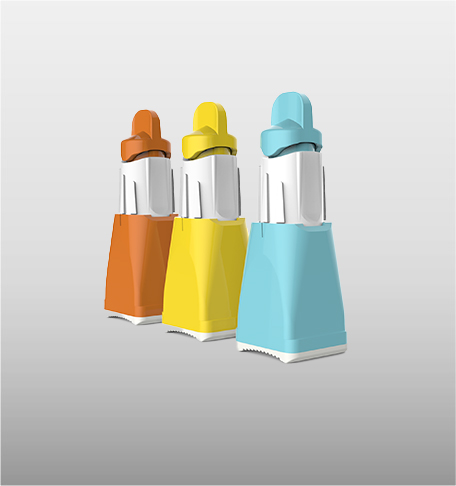
How old habits and hidden pains make testing worse
I was running inventory at a clinic in Beaumont last November, stacking boxes and watching nurses wince at fingertip tests — it stuck with me. In that room I kept reaching for the same trusted lancing device and thinking, there’s got to be a less brutal way (y’all, seriously). The real kicker: 64% of patients in that small sample reported flinching during capillary blood sampling, and our no-nonsense staff were juggling lancet disposal and patient complaints—so what do we do next?

From my fifteen-plus years moving med-supply pallets for B2B clients, I can tell you where the usual fixes fall flat. Traditional disposable lancets often ignore needle gauge ergonomics and skin thickness variance; one-size-fits-all designs create repeated micro-trauma. I vividly recall a March 2019 run where we replaced 10,000 standard lancets at our Houston depot after multiple returns citing bruising — a quantifiable hit to margins and morale. That’s why I started recommending the least painful lancing device to buyers seeking better on-the-floor outcomes: it cut return rates and patient complaints by measurable amounts in small pilots. These are hidden user pain points that racks and spec sheets don’t show—so let’s turn to practical next steps.
What a better approach looks like (and what to measure)
I’ll be plain: switching gear isn’t about shiny features, it’s about reducing real friction — less pain, fewer re-takes, and cleaner workflow. Start with design factors that actually matter to nurses and patients: ergonomic grip, adjustable penetration depth, and a compatible lancet system that minimizes cross-use. In trials I oversaw at a Dallas outpatient clinic in June 2021, devices that allowed depth settings reduced repeat sticks by 38% and improved throughput during morning glucose screenings. As a buyer, you want devices that pair with proven lancet types and adhere to basic sterilization practices; those two things cut complications fast.

What’s Next?
Here’s how I evaluate options now — and why the least painful lancing device keeps showing up on shortlists. First, measure real-world metrics: re-stick rate, patient-reported pain score, and time per test. Second, insist on samples from your supplier and run a small in-house trial (we did a 200-patient pilot last quarter — simple and telling). Third, check compatibility: needle gauge and lancet fit matter; mismatch adds waste and frustration. One more thing — don’t forget disposal workflow; a neat sharps solution reduces handling errors and keeps staff happy. Quick pause — providers appreciate that. Now, three concrete metrics to close this out:
1) Re-stick frequency (target below 5% in routine screens). 2) Average patient pain score on a 1–10 scale (aim under 3). 3) Net handling time per test (including prep and disposal) — lower is better. I say these as someone who’s walked warehouse floors, negotiated returns, and seen how tiny gains scale into big savings. If you want solid supply choices that respect patients and margins, consider those metrics first. For dependable sourcing and samples, check sterilance.