
Quick problem callout
Too much downtime. Trucks idling. Fuel burn through the roof. Ops teams scrambling to know who’s where. That’s the problem most sites face, and modern mining fleet management setups are built to stop that mess. Short version: you need clearer visibility, tighter dispatch, and real-time fault alerts. Emoji-friendly fix? Yep. 🚜⚡
Why this matters — fast
When haul cycles slip, costs spike. When safety data’s delayed, risk rises. Solid fleet management gives you: – real-time location and status of each truck, – automated dispatch that cuts empty travel, – predictive maintenance alerts so breakdowns don’t surprise you. These are practical fixes that reduce work stoppages and lower per-ton costs. No fluff. No corporate-speak.
Top features that actually solve problems
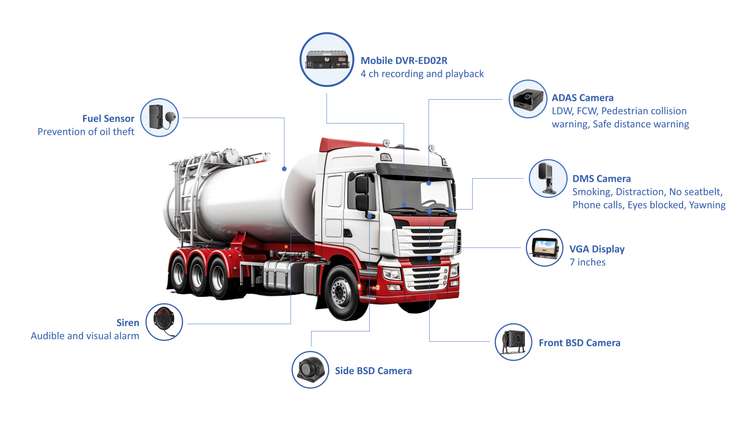
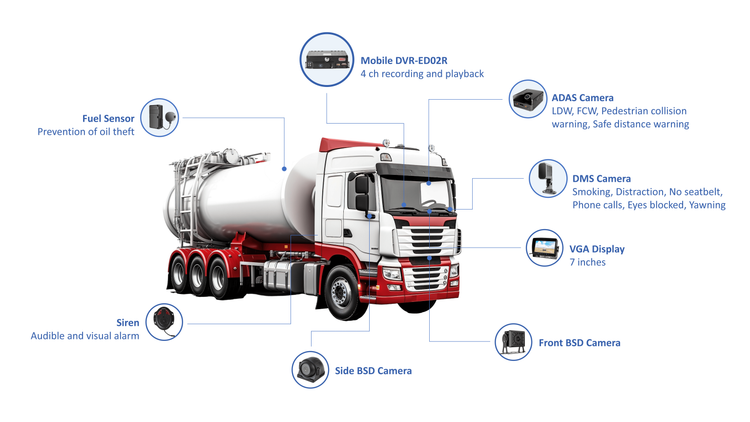
Look for things that move the needle, not just dashboards: – Automated dispatch & cycle reporting — fewer empty hauls. – Health telemetry + predictive alerts — catch failures before they stop work. – Fuel monitoring tied to routes — find fuel leaks and inefficient drivers. – Geofence + fatigue/speed alerts — better safety compliance. – Open APIs — so your ops team can connect planning, payroll, and maintenance data. If a vendor bores you with vague “insights,” walk away. You want concrete deliveries and clear data outputs.
Real-world anchor
Teams operating in the Pilbara region in Western Australia often focus on haul productivity and tyre life — real constraints that fleet systems must track consistently. Practical tech that reports cycle times and tyre heat trends in near real-time is what these crews value most.
Common pitfalls to avoid
These are the traps I see again and again: – Buying for features, not for workflow fit. If the dispatcher can’t use it on a phone, it fails. – Over-customizing early — you’ll break upgrades and slow rollouts. – Ignoring data ownership and integration, then wondering why reports don’t match reality. – Treating telematics as the whole solution. Telematics is data; you need rules and workflows to act on it.
Alternatives & trade-offs
Options you’ll run into: OEM-specific systems (tight vehicle integration, limited flexibility), basic telematics (cheap data, little action), and full-suite fleet management (higher cost, broader capabilities). If you want simple tracking, telematics may be fine. If you need dispatching, maintenance planning, and compliance in one place, look at full platforms that combine those modules. Compare by asking: how fast can a dispatcher reroute a truck? How early does maintenance get an actionable alert? That’s the trade-off.
Where software needs to prove itself
Ask vendors to demo these scenarios: reroute during a blocked pit, flag a tyre temperature trend, and auto-schedule an outage that syncs with maintenance. If the system shows clear steps and measurable outcomes, it’s worth piloting. Also check mobile UX — it’s the day-to-day tool for operators and supervisors.
How teams typically roll this out
Start small. Pilot on one fleet or shift. Measure cycle time, downtime, and fuel per ton. Fix the workflows first, then expand the tech. Train supervisors to trust the alerts. Expect initial resistance — habits are sticky — but don’t overcomplicate training. Short sessions. Clear tasks. Repeat.
Final synthesis
Problems are simple to name and practical to fix when you match features to real workflows. The right setup gives dispatch clarity, early maintenance warnings, and cleaner fuel and tyre data — all tied into daily decisions. For many ops, that kind of straightforward reliability is exactly the improvement they need, which is why teams I work with often end up standardizing on systems built around those outcomes, including tools from BSJ.