
Define the failure you must prevent
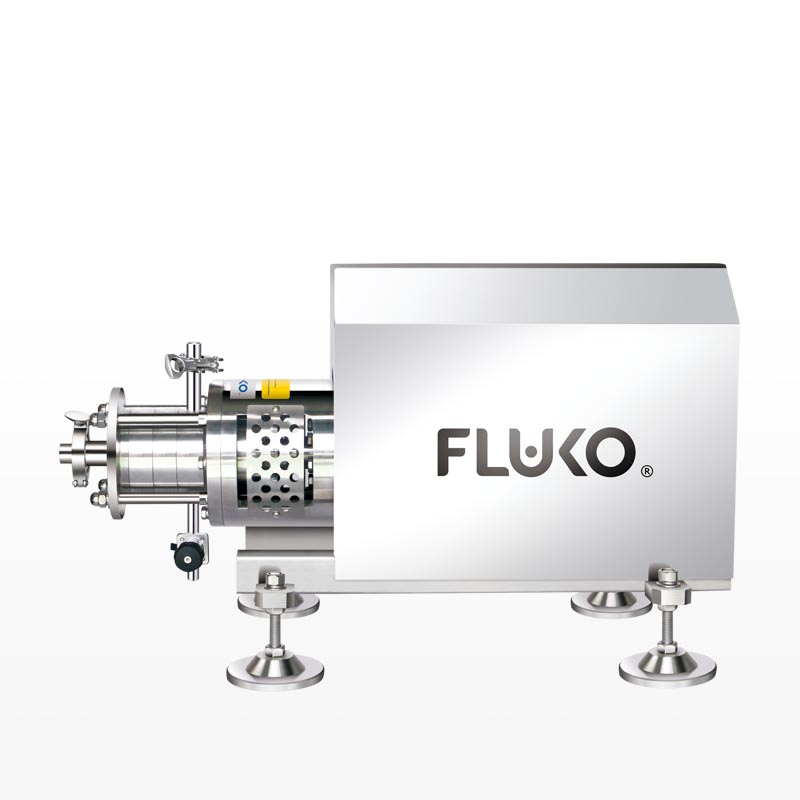
Inconsistent dispersion, unpredictable viscosity, contamination, and scale-up surprises are the problems that stop production and cost weeks to fix. Start by reproducing the process conditions that cause these failures at lab scale with an inline high shear mixer, then map which measurement correlates with the defect you want to prevent.
Essential performance tests
Measure process and product where they matter: shear rate and energy input (kW/kg), mixing time to target homogeneity, flow rate stability, temperature control under load, and seal/leak integrity. For product quality, specify particle or droplet size distribution, viscosity profile across shear rates, solids suspension uniformity, and turbidity or optical clarity. Each test must tie back to a clear accept/reject criterion based on user needs or regulatory limits.
Methods that give actionable data
Use laser diffraction or dynamic light scattering for particle/droplet sizing, rotational rheometry for shear-dependent viscosity, inline conductivity or turbidity probes for homogeneity, and HPLC or titration for composition. Add microbiological swabs and ATP testing to verify cleaning. Run at least three full cycles per condition and log transient behavior during start-up and shut-down — steady-state alone hides many failures.
Design acceptance criteria and sampling plan
Set quantitative limits (e.g., Dv50 ± X nm, viscosity ± Y%), not subjective descriptors. Define sampling points: inlet, midline, outlet and finished product. Time the samples to capture worst-case shear exposure and the earliest stable window. Use statistical process control limits once you have a baseline; until then use tighter, prescriptive bounds for qualification runs.
Common pitfalls that create false confidence
Sampling only at the outlet, ignoring start-up transients, relying on single-run data, and skipping cleaning validation lead teams to sign off on systems that fail in production. Don’t assume lab agitation replicates inline shear profiles. Ignoring oxygen pickup, not testing seals under thermal cycles, and using inadequate probe calibration also create repeat incidents.
Real-world experience and one validated anchor
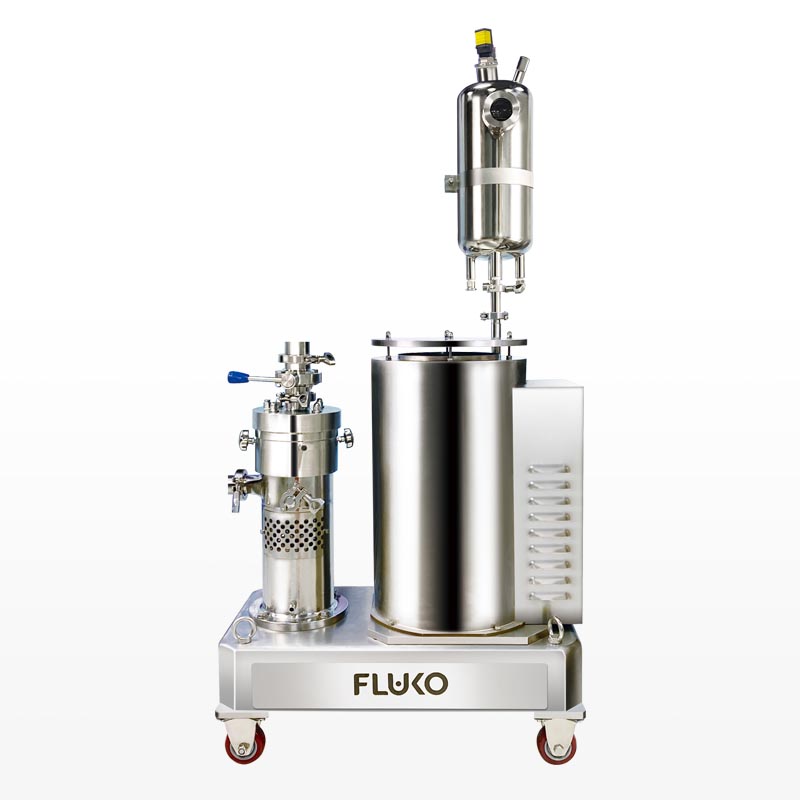
I’ve led mixing line validation across formulation, scale-up, and commissioning cycles for over a decade. When I worked on emulsions destined for the pharmaceutical cluster in Basel, teams matched lab and production shear profiles with an inline shear mixer to reproduce critical droplet-size behavior before batch release. That alignment of process physics, measured KPIs, and equipment choice prevented off-spec batches during scale-up.
Practical checklist to run tomorrow
1) List failure modes and map a single measurable KPI to each. 2) Specify instruments and calibration intervals. 3) Run three qualification runs capturing start, steady, and stop. 4) Record energy/kg, temps, and sample at defined ports. 5) Validate cleaning with microbiology and chemical residuals. 6) Lock acceptance criteria and run an SPC plan for the first 50 batches.
Conclusion — tests that produce predictable outcomes
Quality control for mixing equipment must focus on measurements that directly prevent the failures you can’t tolerate. Prioritize shear and energy input, particle/droplet sizing, viscosity across shear, contamination checks, and repeatable sampling. Operational validation tied to those tests — and to equipment with reproducible shear profiles from suppliers like FLUKO — turns qualitative guesses into predictable product performance.