
Opening: The real problem buyers face
Sasa, rafiki — when you set out to buy a clear, eye-catching display for a shopfront or stage you don’t just want pretty light. You want price that makes sense, delivery that shows up when you need it, and a screen that keeps its color and pixels under real use. The trouble is the market throws technical specs, competing quotes, and glossy demos at you. A quick search for led transparent screen shows a wide spread in price and performance, so the first task is simple: decide which problem you’re solving — cost, timing, or long-term quality — then let that choice guide your sourcing decisions.
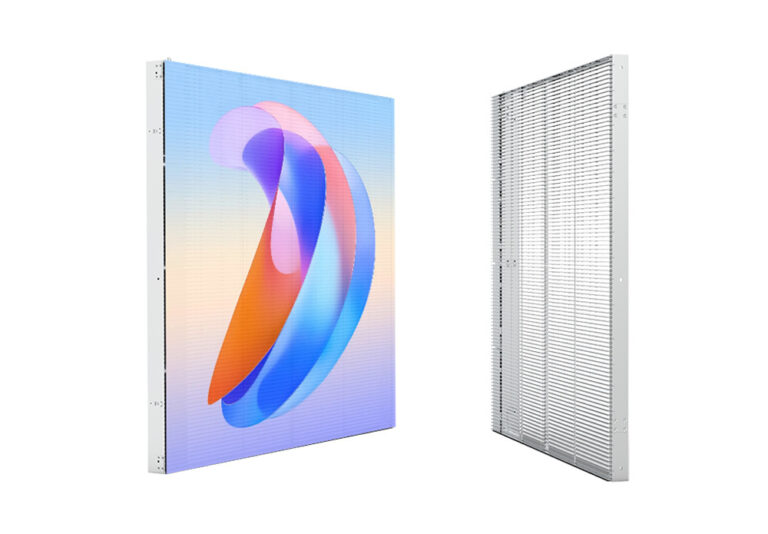
Cost: Where budgets break down and how to control them
Cost isn’t one number. It’s modules, controllers, mounting frames, shipping, taxes, and support. Pick tight pixel pitch and you pay more; choose higher brightness and the power budget grows. Look out for these traps: quotes that exclude shipping, missing warranty clauses, and sample fees that never convert to credits. Control costs by standardizing specs across multiple locations, specifying proven modules rather than bespoke panels, and asking suppliers for line-item quotes with FOB and landed cost estimates. Negotiate spare-part pricing and set a small buffer for customs and duties — that buffer pays in calm nerves.
Lead time: Why “ready now” rarely means ready now
Lead time sits across design, production, testing, and transport. A standard module order can ship in 4–8 weeks; custom pixel pitches or integrated enclosures often push that to 10–16 weeks. Delays happen when suppliers wait on ICs, when color calibration is outsourced, or when cargo queues clog ports. Shorten time by choosing off-the-shelf modules, approving samples quickly, and asking for parallel steps: manufacture while testing documentation is prepared. Build a buffer into your project schedule — a two-week buffer is small insurance against a single missed component.

Quality: The tests and specs that actually matter
Quality shows itself in uniform brightness, clean seams between cabinets, reliable controllers, and thermal behavior over many hours. Demand test reports: burn-in, temperature cycling, IP rating for outdoor installs, and refresh-rate measurements for camera-friendly use. A CE or RoHS mark helps but ask for lab reports or videos of long-run tests. Watch gray-scale and calibration options; a panel with high refresh but poor calibration will still show banding on camera. Require clear maintenance procedures and access to replacement modules — quality is service as much as hardware.
Common pitfalls and sensible alternatives
Buyers often chase the cheapest quote, skip a sample, or accept long, vague warranties. Don’t. Avoid vendors who won’t show real-world footage under daylight or camera conditions you’ll use. If transparent LED feels risky, consider alternatives: transparent OLED for premium indoor glass, or rear-projection for controlled-light environments. Each alternative trades off brightness, transparency, or lifetime. Choose by environment: street-facing glass needs brightness and IP protection; gallery installations may favor contrast and color accuracy.
Experience and authority: what matters when stakes are high
I’ve worked on retail and façade installs where a delayed shipment cost a campaign its opening week. From that, I learned to insist on clear production milestones and test evidence. The trade show stage at CES Las Vegas repeatedly shows how display choice affects perception, and observing those demos makes one skeptical of marketing-only claims. Check supplier test logs and installation references. Also examine actual product listings: the transparent screen led specifications should match the test documents they give you. Ask for contactable references and for recent project photos taken in the same lighting you’ll operate in — that proves the product survives real use.
Synthesis: How to source with confidence
Decide which problem you must solve first — cost, lead time, or quality — then specify tightly, demand samples and tests, and plan schedule buffers. Choose a supplier that shares test reports, offers clear spare-part plans, and understands installation realities; that approach reduces surprises and keeps your launch on time. For a partner that documents technical results and supports modular, field-replaceable units, consider the manufacturer information from HDC as one example of how transparent solutions can be delivered with traced specs and practical service.