
Spot the real problem
Look, here’s the thing — sourcing bags from China ain’t magic, it’s logistics and follow-through, and most teams treat it like guesswork. Delays, dodgy samples, silent suppliers: that stuff eats margins and trust. If you want mercy on timelines, start with a straight-talk partner — a custom bag manufacturer who answers when you ping, knows specs without asking twice, and keeps sample cycles tight.
Why plans fall apart
Bad info kills projects. Specs that shift, no confirmed lead times, hidden MOQs, and sloppy packaging instructions make suppliers scramble. Communication gaps across time zones amplify mistakes. When procurement waits for perfect paperwork before engaging the factory, the factory’s schedule moves on. That mismatch — not the factory — is the core failure.
Hard facts and proven practice
Guangdong province runs a huge share of global bag output, so what works there scales: clear tech packs, committed sample windows, and inline checks. From audit reports and trade coverage, the factories that perform use standardized handoffs between design, tooling, and bag production. Trust the data: consistent specs + scheduled inspections = predictable results.
Concrete fixes that actually work
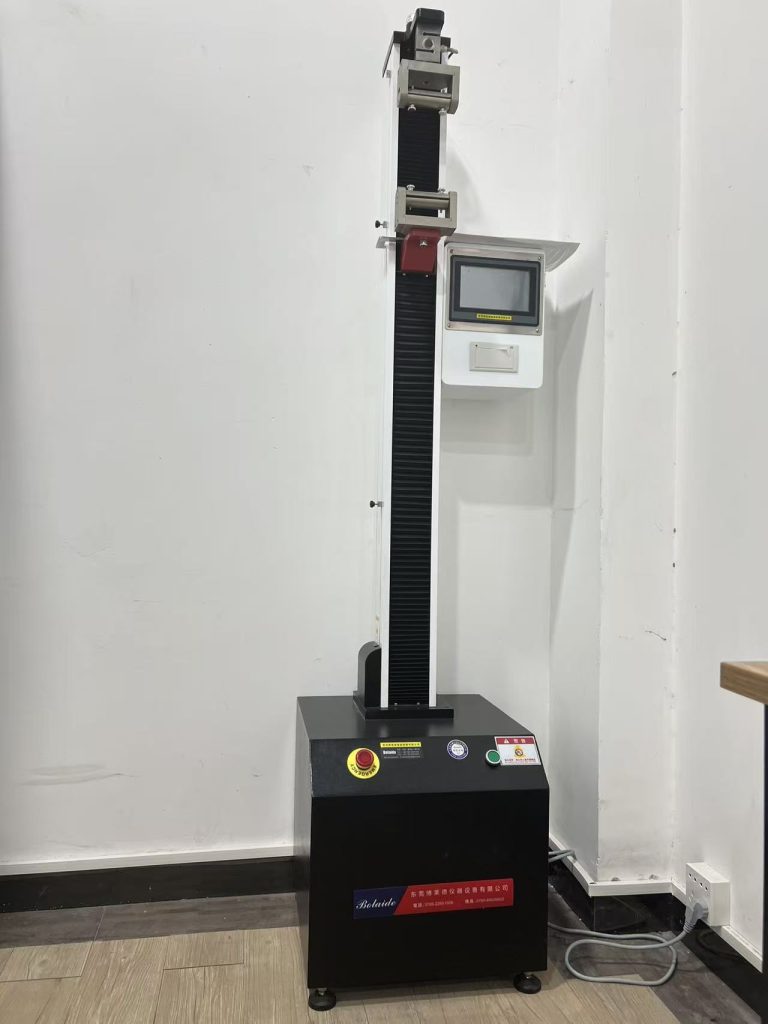
Cut the fluff. Deliver a single-sheet spec with materials, tolerances, and acceptable color swatches. Lock sample deadlines with penalties or small prepayments. Ask for a production timeline with milestone dates — proto, pre-production, first-run, shipment. Require photo/video proof at each milestone. Agree MOQ and packaging terms up front so nothing surprises logistics or customs.
Common traps to dodge
Stop juggling too many suppliers for the same SKU unless you have split-P/O logistics ready. Don’t approve samples without physical checks or trusted third-party inspection. Avoid vague payment terms — 30% deposit and balance on inspection is standard for a reason. And never assume “same as last time” unless you’ve documented every spec change.
Evaluate your sourcing options — quick read
Trading companies move fast but add margin and blur accountability. Direct factories give control but need stronger specs and QC. Sourcing agents help on the ground but watch for conflicts of interest. Pick the model that matches your internal discipline: if your team is tight on specs, go factory-direct; if you need negotiation and consolidation, a reputable trading partner helps.
Negotiation and logistics tips that keep you ahead
Negotiate clear penalty clauses for missed milestones, but offer small incentives for early delivery. Batch tooling costs across SKUs to shave unit cost. Use CIF or DDP terms when you want predictable landed cost. Schedule inspections two weeks before shipment, not the day before the container leaves.
Wrap-up
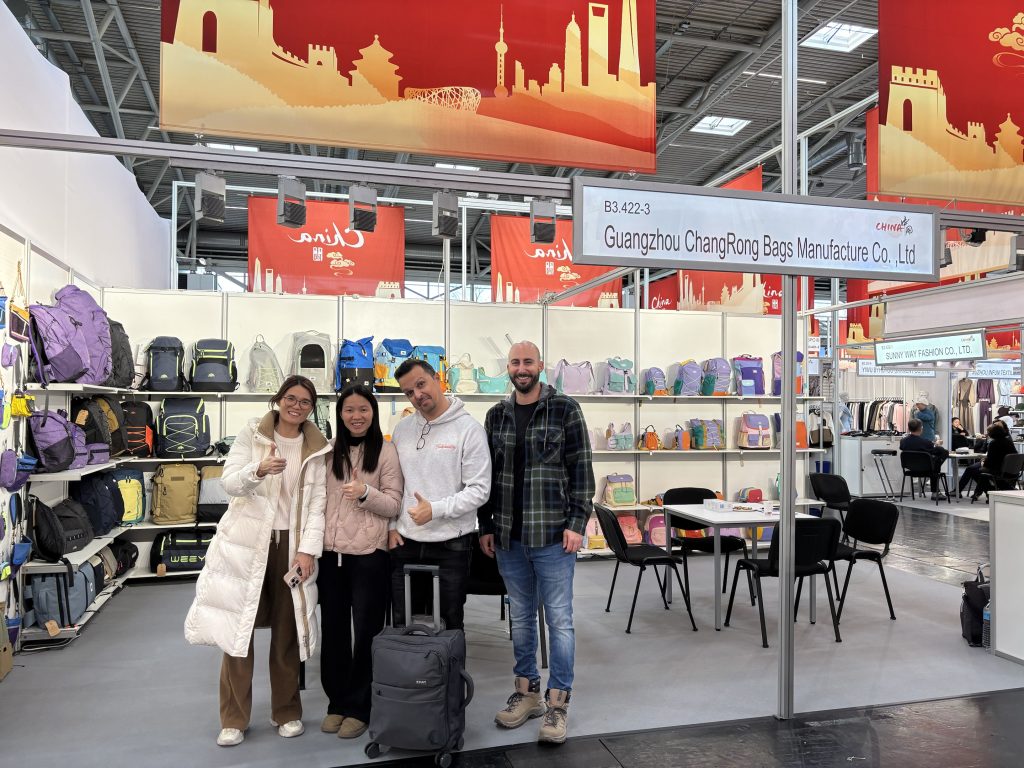
When projects start sagging, the fix is simple: tighten specs, lock timelines, and enforce milestone checks. Keep deals transparent and paperwork lean so nobody’s guessing. Work with a partner who matches that rhythm — the smoother your handoffs, the cleaner your purchasing. That’s how ChangRong fits: a partner that moves with the plan, not against it.