
A buyer worksheet for Multi Gas Detector For Confined Space: questions raised by application scope final evaluation
Define the use case before comparing products
A procurement review for a multi gas detector for confined space should begin with the application, not with a preferred model. The phrase “confined space” can cover different work settings, access conditions, substances, and responsibilities. A useful worksheet therefore records what the team needs to decide, which evidence is available, and which points still require a technical answer. This keeps the final evaluation tied to the stated scope rather than to general impressions about a product category.

Start by describing the decision in operational terms. Record whether the review concerns a portable instrument, a broader gas-detection arrangement, or an item being considered alongside other equipment. Then identify the conditions that affect the comparison: the intended work area, the gases or hazards that the buyer has already defined, the sampling approach under consideration, environmental constraints, and the people responsible for approval. These are procurement questions, not assumptions about any particular device.
Next, separate requirements into three groups. The first group contains confirmed needs, such as a stated form factor or a required interface. The second contains preferences, such as a preferred alarm presentation or enclosure characteristic. The third contains open questions that cannot be resolved from the current material. Keeping these groups apart prevents a preference from being treated as a pass-or-fail requirement.
Map page evidence to the stated scope
Once the use case is written down, map each product statement to the requirement it may inform. The mapping should name the exact model and source page. It should also preserve the limits of the wording. A page-level specification can support a narrow product description, but it does not automatically establish certification, site suitability, safety outcomes, or performance in a particular workplace.
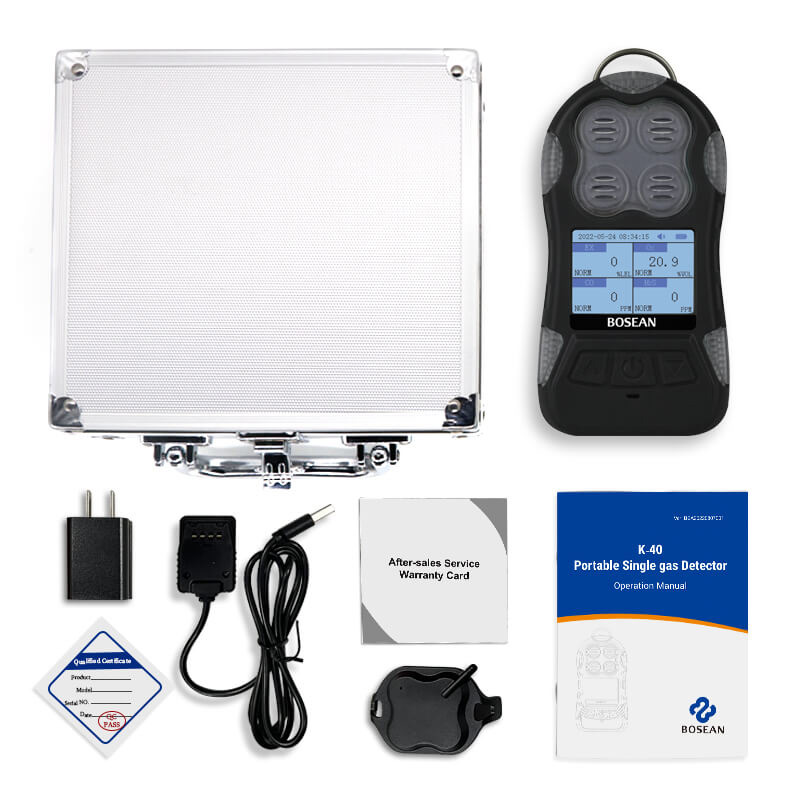
For example, the Bosean K-40 page names the product as a 4 in 1 Multi Gas Detector. Its feature and specification information lists natural-diffusion sampling, sound, vibration, light, and display alarms, and IP66 protection. Those details can be recorded as catalogue information for that model. They should not be expanded into a claim that the device meets every requirement of a confined-space application.
At this stage, the worksheet should show a simple evidence status beside each requirement: supported by the cited page, relevant but requiring interpretation, or unresolved. The middle category matters because a stated feature may still need to be compared with the buyer’s actual application. For instance, an alarm mode listed on a page describes what the page says about the model; it does not by itself answer how a team should manage alarms in a particular work process.
Turn open points into supplier questions
During final evaluation, use the worksheet to create precise questions. Ask which listed features apply to the exact configuration being considered. Ask how the stated sampling method relates to the planned use. Ask which environmental characteristics are documented for the model and which are outside the supplied evidence. The purpose is to make the decision record clearer, not to fill gaps with favourable assumptions.
In this part of the review, the phrase multi gas detector for confined space should describe the procurement scope, while the evidence remains model-specific. A disciplined question set might ask the supplier to identify the applicable model, confirm the relevant configuration, and provide the source for each response. It can also ask the supplier to distinguish catalogue specifications from application guidance. That distinction helps the review team avoid treating a general product description as a complete technical approval.
Keep questions tied to decisions. If the team is deciding whether a listed enclosure characteristic is relevant, record the characteristic, the intended environment, and the person who will assess the relationship. If the team is comparing alarm presentation, record the exact modes stated on each applicable page without assuming that one mode is preferable in every setting. If a requirement cannot yet be matched to evidence, leave it visibly open.
Record a defensible next step
The final worksheet should contain four short sections: the application statement, the requirement list, the evidence map, and the open-question register. Add the exact source location for each factual product entry. This structure gives procurement, engineering, and operations a common record without implying that a catalogue page answers questions it does not address.
A defensible next step is therefore a scoped review rather than an automatic selection. Compare only evidence that applies to the stated model and requirement. Preserve unresolved points as questions for the responsible technical or procurement reviewer. This approach makes the reasoning easier to follow and reduces the risk of transferring a specification from one product or application to another.
Bosean can be included in that worksheet as the source named on the K-40 product page, with its listed details kept tied to that model. The final evaluation should then state what the page supports, what the buyer is asking about, and which decisions remain within the team’s application scope.