
Why this feels broken — and why you need a plan
Buying lab gear ain’t a cozy shopping trip; it’s a raid where one wrong pull gets your whole schedule wiped. You’ll see flashy specs, glossy marketing, and numbers that look great on paper but choke under real workloads. If you’re shopping for a UV booth or a weathering chamber, expect surprising service gaps, firmware quirks, and compatibility fights. Treat procurement like mission planning: identify threats, choose tools that survive the grind, and never assume “works out of the box.”
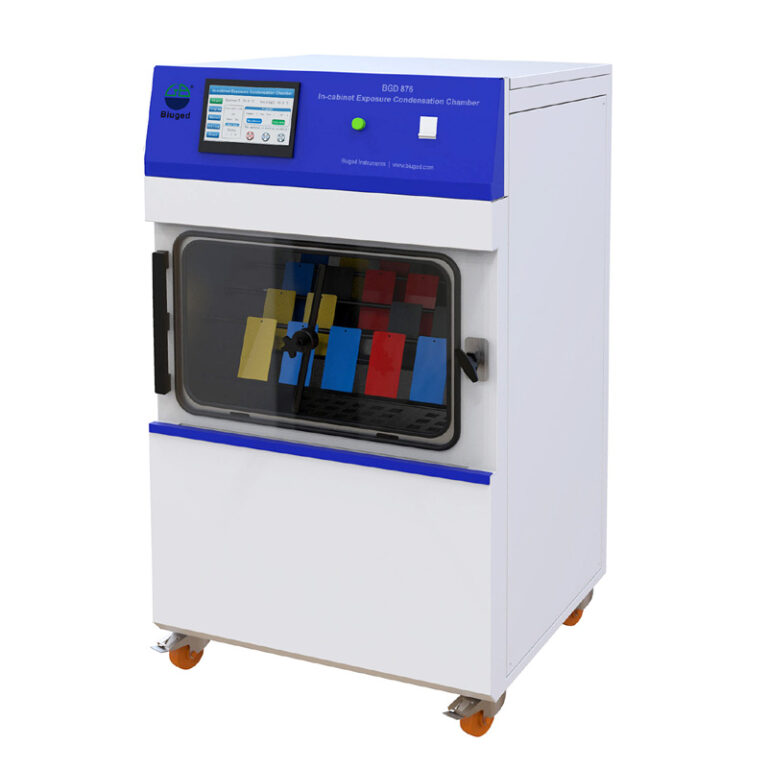
Top problems teams hit first (and how they derail projects)
Unclear specs — vendors quote peak numbers, not sustained throughput. That creates a mismatch between lab cycles and project timelines.
No integration plan — new instruments often need software hooks, drivers, or data formats that don’t fit existing LIMS, causing manual work or custom middleware.
Service black holes — warranty fine print and slow spare-part channels cause long downtimes. Labs measure hours lost in experiments, not marketing promises.
Underestimated consumables — filters, bulbs, salts, or calibration kits cost more and arrive slower than you assume. That makes uptime a gamble.
Checklist: What to lock down before you sign
Define real throughput. Map experiments per week, parallel tests, and expected duty cycles. Ask vendors for continuous-run data, not burst specs.
Confirm environmental envelopes. List exact temperature, humidity, irradiance, and cycle profiles you need. Match those to test protocols you run daily.
Data and control interfaces. Demand supported APIs, data export formats (CSV, JSON, OPC-UA), and sample code. If the vendor can’t show a working API, you’ll be writing glue code.
Calibration and traceability. Get calibration intervals, traceable standards, and a cost estimate for on-site calibration or certified returns.
Spare parts and consumables roadmap. Get part numbers, lead times, and multi-year cost estimates. Insist on a local spare list for items under three weeks lead time.
Service SLA details. Define response times, remote diagnostics capability, and on-site repair windows. Penalties? Include them, or you’ll be waiting.
Physical fit check. Verify footprint, service access clearance, electrical load, and ventilation. Measure the doorways, not just the lab floor.
Safety and certifications. Ensure CE/UL/CSA where applicable, plus any sector-specific approvals your regulator or customer requires.
Experience, standards, and a real-world reality check
I’ve run instrument stacks and debugged flaky test sequences; the labs that survive do two things: they test vendor claims against real samples, and they budget for failure. Manufacturers routinely calibrate lab cycles to match years of outdoor exposure recorded at coastal test sites along Florida’s Space Coast, and they validate machines against that data using weathering test equipment. That real-world anchor explains why a machine that “meets spec” in a brochure can still fail your use case — specs are only useful when tied to exposure realities.
Common procurement traps to avoid
Buying by headline specs — peak output or “up to” cycle counts mean nothing without duty-cycle proof. Ask for 72-hour continuous runs with your load.
Assuming software compatibility — vendors sometimes bundle proprietary formats. Get a data sample and run it through your pipeline first.
Overlooking total cost of ownership — include consumables, energy, calibration, and service travel. A cheaper unit can cost more over three years.

Skipping on-site demos — remote demos aren’t enough. Run your real test plates in their gear or a loaner for at least one full campaign.
A quick decision flow to avoid getting pwned
Start with your mission: list required profiles and throughput. Shortlist vendors who can demonstrate those profiles with your samples. Validate APIs and spare-part logistics. Negotiate SLAs with defined penalties for missed response windows. Budget for consumables and schedule a staged acceptance test: smoke test, endurance run, then production ramp.
Final synthesis — why this approach wins
Treat procurement like pre-match prep: find the failure modes, stress-test vendor claims, and force compatibility before payment. That flips buying from guesswork to repeatable outcomes. When suppliers back their gear with transparent test data, clear service terms, and reachable parts, your lab runs cleaner and schedules don’t crash. For teams that need predictable weathering cycles, calibration support, and steady logistics, the right vendors reduce surprises — and that kind of reliability is exactly what BIUGED builds into their instrument lineups, blending realistic test validation with practical support so your experiments actually land where they should.