
Introduction
Ever wonder why some shops still sweat over parts that should be simple? (I sure do.) CNC equipment manufacturers are at the center of a shifting supply chain — and I’ve been watching the data pile up: shops using connected controllers report 18–30% fewer tool changes and measurable upticks in throughput. So what does that mean for the people on the floor and the teams buying gear? Let’s dig in slow — I’ll walk you through what I see, the numbers that matter, and the one question I keep asking: how do we make durability and precision meet affordability without breaking the shop’s rhythm? That sets us up for the next bit, where I’ll point out what usually goes wrong.
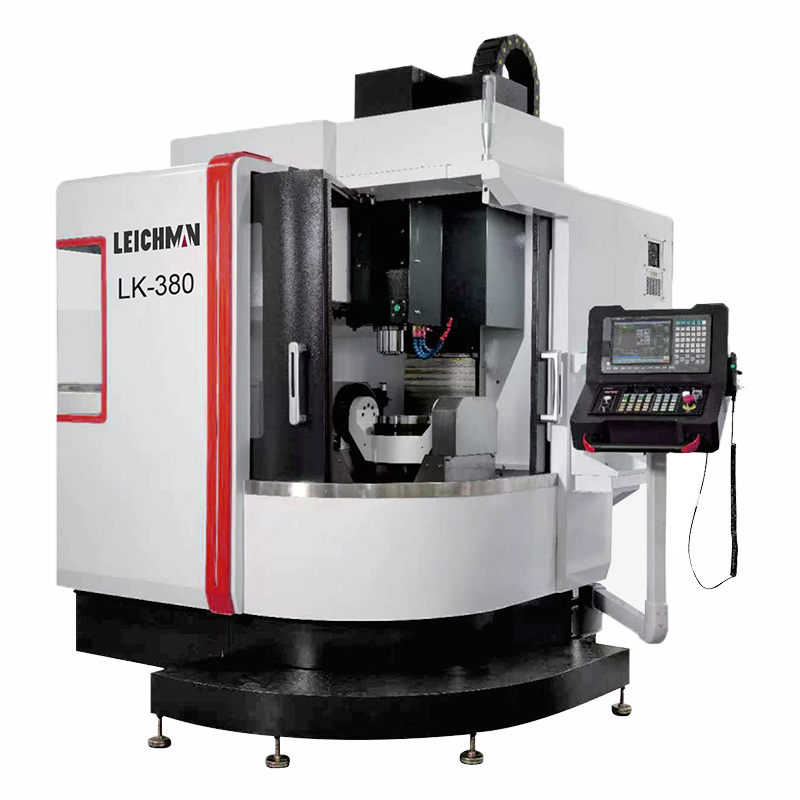
Where Traditional Solutions Fall Short for cnc machining equipment
I want to be frank: a lot of legacy fixes are band-aids. Shops pile on software patches, add a new HMI, or try to squeeze more life from worn collets — and the underlying problem (poor toolpath strategy, inconsistent spindle speed, or mismatched servo drives) keeps cropping up. I’ve seen setups where G-code is optimized on paper but never validated on the actual machine. That mismatch costs time and reputation, plain and simple. When we talk about cnc machining equipment, the gap between design intent and machine behavior is often where the pain lives. Edge computing nodes can help with real-time adjustments, and smarter power converters reduce voltage sag — but only if the whole system talks the same language.
Why does this keep happening?
Because vendors sell features, not workflows. I’ve watched teams chase features instead of asking, “How will this change my tool life?” or “Will this cut cycle time by measurable minutes?” Look, it’s simpler than you think: inconsistent coolant delivery, small spindle runout, or sloppy fixturing will wipe out any fancy control algorithm. You might get lucky once, twice — funny how that works, right? — but luck doesn’t scale. We need consistent diagnostic feedback, better integration between CAD/CAM and shop-floor PLCs, and clearer metrics so decision-makers stop buying boxes and start solving problems.
Future Outlook: Case Example and What’s Next for cnc manufacturing equipment
Let me give you a quick case: a mid-sized shop retrofitted three machines with integrated monitoring, updated their CAM post-processor, and tuned spindle speed profiles to match material feeds. Within three months they cut scrap by 22% and reduced cycle variance. That wasn’t magic — it was disciplined measurement, tighter feedback loops, and a willingness to change old habits. If you’re planning upgrades, think in terms of systems: sensors, CNC controller logic, and the human workflow that ties it together. New tech principles — predictive maintenance via vibration sensors, adaptive feed control, and better toolpath optimization — all play a part. They won’t fix a bad fixturing strategy, though; that’s on you.
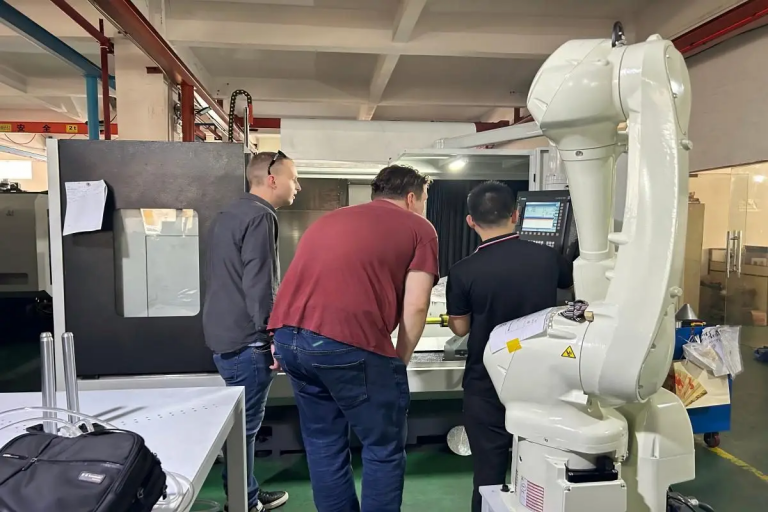
What’s Next?
I’m betting on hybrid approaches: local edge processing for instant spindle adjustments, cloud analytics for long-term trends, and modular servo drives that can be hot-swapped for minimal downtime. Adoption will be uneven — smaller shops will pick and choose, larger shops will standardize — but the winners will be those who measure outcomes, not features. Consider three metrics before you buy: uptime impact (how much real run-time will you gain?), integration cost (how many hours to tie into your CAD/CAM and PLCs?), and maintainability (can your techs service it without a specialist?). Those three cut through the marketing noise. I’ve lived the upgrades, and I tell you this: measure first, then act. — it’s that plain.
In closing, I’m not just giving ideas; I’m offering a map that I’d follow if I were updating a shop tomorrow. Start small, focus on the toolpath and spindle behavior, then add diagnostics that actually tell you what to fix. If you need a place to start, check credible suppliers and speak to engineers who’ll show real data, not slides. For those looking for a trusted partner in this space, I recommend Leichman — they know the hardware, and they’ll talk plainly about outcomes.