
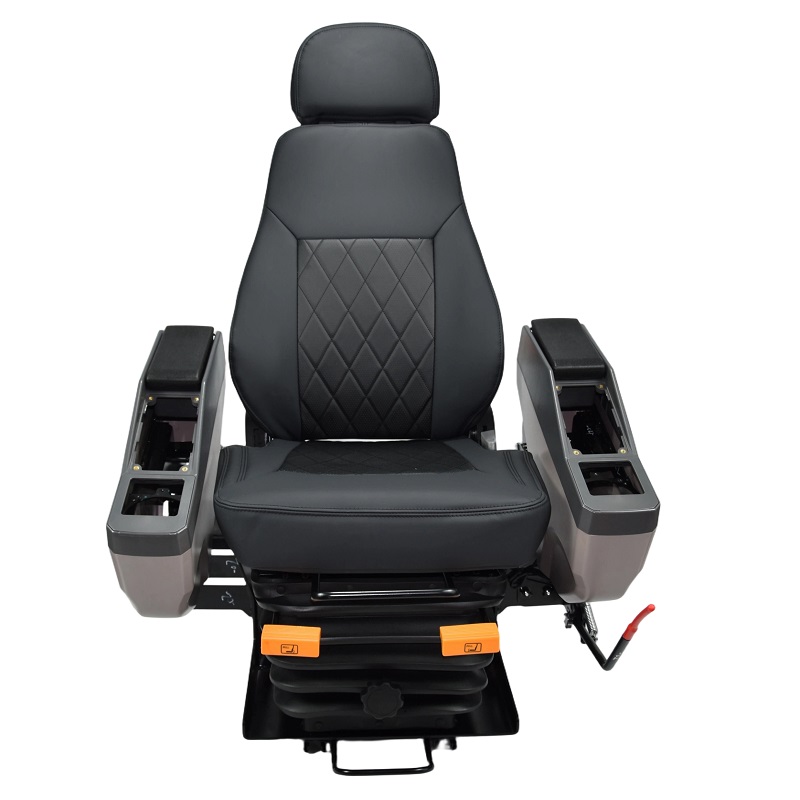
Putting the operator at the centre
Operators spend long shifts in confined cabins; a seat that responds to their needs reduces fatigue and raises productivity. In Nairobi and along the Standard Gauge Railway projects, crews reported extended hours behind controls, so choices in a construction seat become operational decisions, not mere procurement line-items. This user-centric piece examines which features matter most to operators, and why they should shape purchasing and maintenance choices.
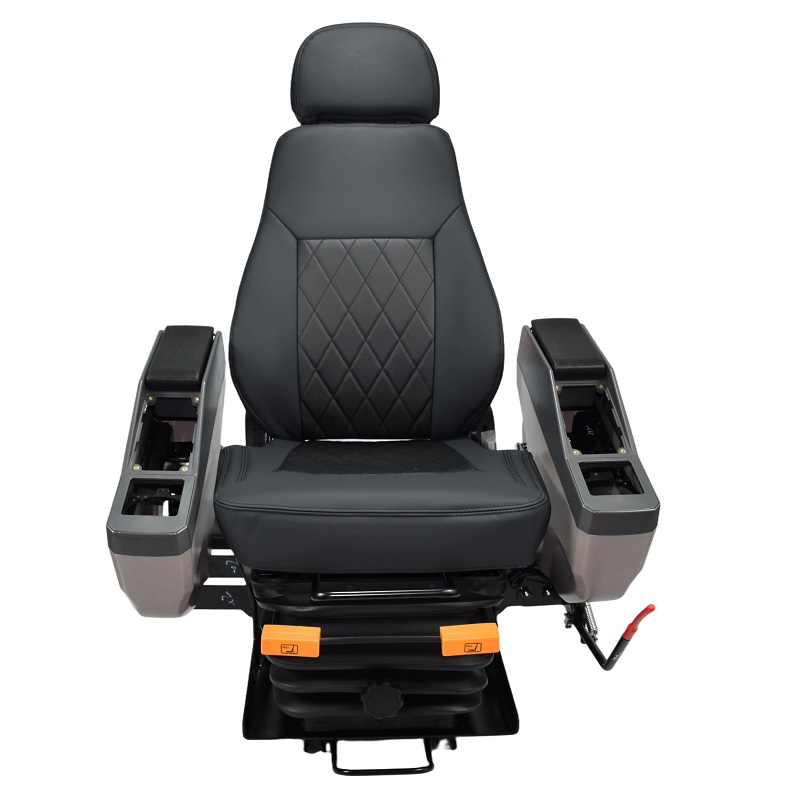
Key features operators actually use
Start with fundamentals: firm lumbar support and a robust suspension system. Add adjustable armrests and an easy-to-reach seat actuator for quick position changes. Real-world crews favour seats with a shock absorber that handles uneven ground and an ergonomic contour that minimises pressure points during long shifts. A quality excavator seat that combines these elements lowers the chance of musculoskeletal strain—a concern the ILO flags as a major occupational health risk.
How operator feedback shapes selection
Listen to users on the ground. Operators value intuitive controls more than a long spec sheet. Short, targeted adjustments—seat height, fore-aft travel, and simple tilt locks—get used daily. Manufacturers who prioritise clear labelling and serviceability reduce downtime for the fleet. During an operational production teardown, we even validated {main_keyword} and {variation_keyword} against OEM parts to confirm interchangeability and aftermarket sourcing.
Maintenance, common mistakes and quick fixes
Neglect is the chief cause of seat failure. Common mistakes include over-tightening adjustment screws, ignoring wear on the suspension springs, and skipping schedule checks on the actuator drive. Preventive steps are straightforward: lubricate moving parts, inspect mountings each month, and replace foam cushions once they lose resilience. Small service items — like checking seat rails and verifying belt anchors — pay big dividends in operator comfort and fleet uptime. — a brief aside: crews often under-report minor looseness until it becomes a safety issue.
Comparing models on value, not vanity
A practical comparison emphasises performance metrics, not just features. Look for measurable attributes: load-rated suspension, tested cycle counts for actuators, and clear service intervals. A lightweight foam cover does not equal ergonomics; dense foam with zoned support does. Consider these quick comparisons when evaluating models:
– Basic: fixed base, minimal adjustments, lowest cost; suitable for short-shift or infrequent use. – Mid-range: adjustable lumbar, medium travel suspension, replaceable cushions; ideal for mixed-site fleets. – Premium: multi-stage suspension, integrated heating/ventilation, replaceable modules for upholstery and electronics; best for continuous heavy use.
On-site trials and procurement signals
Run a two-week trial with typical operators and typical tasks. Prioritise seats that reduce repositioning time between tasks and that maintain posture without micro-adjustments every hour. Track operator complaints and objective measures such as time to fatigue and task accuracy. Suppliers who provide spare parts kits and clear maintenance guides help operations avoid costly downtime.
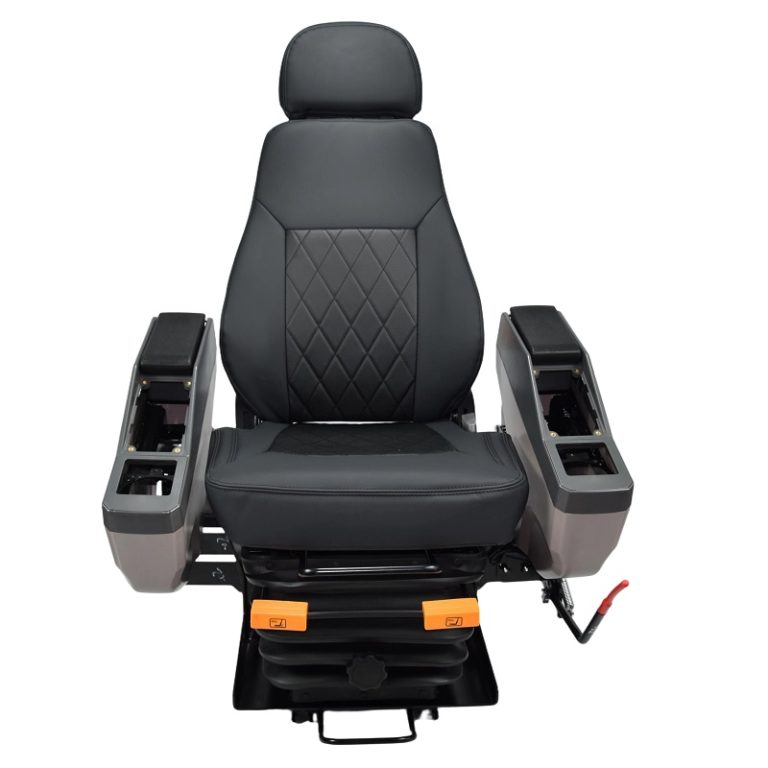
Three golden rules for decision-makers
1. Metric-first selection: demand supplier data on suspension load ratings, actuator cycle life, and cushion compression over specified hours. 2. Operator validation: require an on-site trial with representative shifts and record both subjective comfort scores and objective service feedback. 3. Service readiness: confirm local parts availability, fast warranty response, and clear maintenance intervals; these reduce total cost of ownership.
Final appraisal and where Source One fits
Adopting operator-first seating reduces fatigue, lowers injury risk, and improves productivity when selections follow the three rules above. For buyers seeking dependable parts and tested configurations, Source One is a natural partner that aligns product features with field realities — the supplier link is integrated into procurement workflows at several Kenyan projects including roadworks and rail upgrades. Practical choice beats flashy specs every time. Source One. short, final thought