
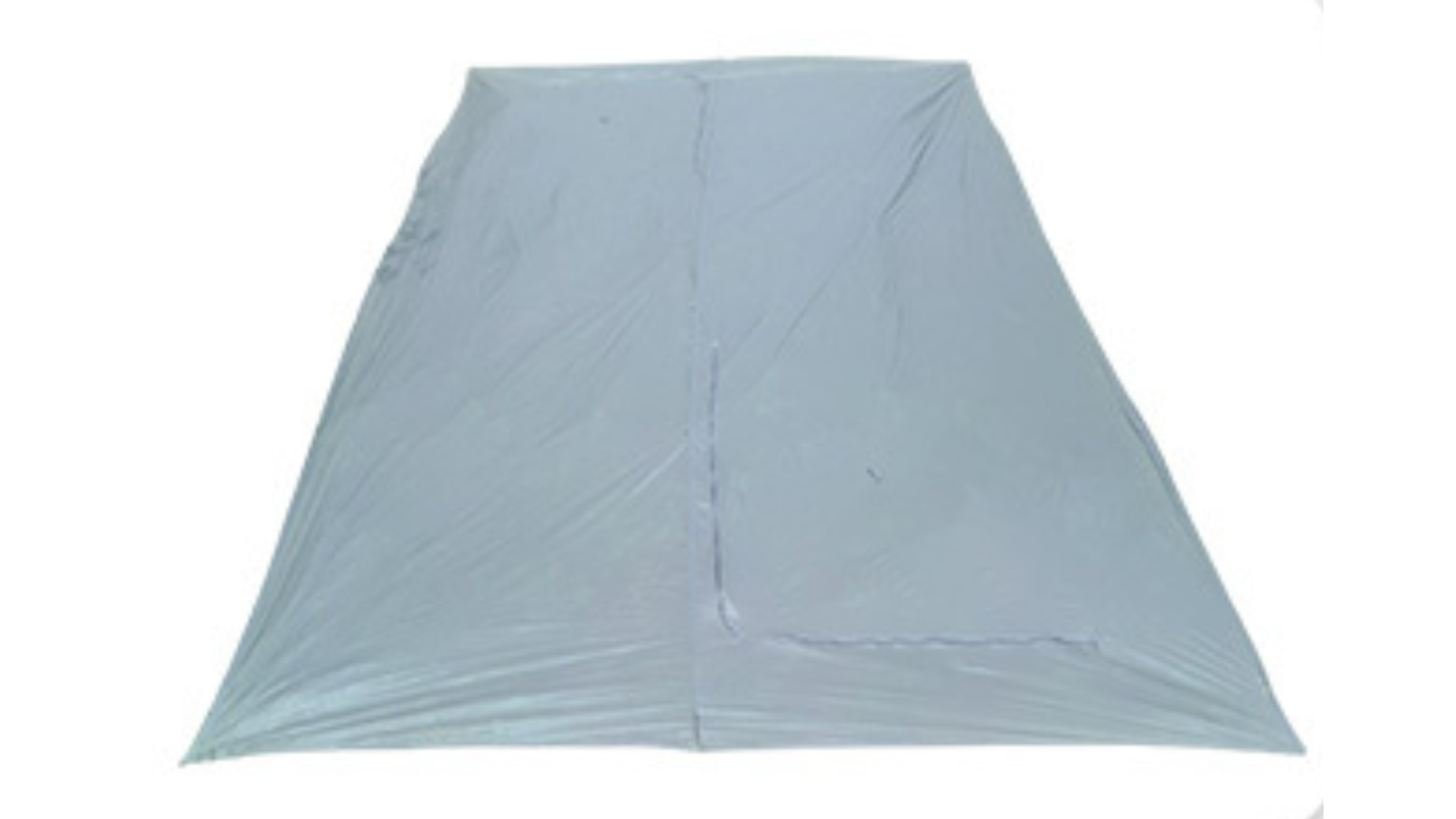
Opening: the persistent problem
Packing an ultralight shelter is not about stuffing things quickly; it is about preventing failure when weather turns. The central problem is constant: lighter fabrics and sparser designs reduce weight but raise risk—torn seams, soaked floors, and useless guy points. Start with choices that reduce that risk, for example a properly sized waterproof flysheet rather than improvising with mismatched tarps. This guide isolates core packing and maintenance failures and gives direct, practical fixes you can apply on trail and at home.

Primary mistakes on trail and how to fix them
People repeat these errors: over-compressing poles and fabric together, leaving damp gear inside, stuffing stakes with sharp edges against silnylon, and rolling wet shelters into the sack. Fix them with strict habits. Always flatten poles in their bag and wrap them separately from fabric. Dry shelters partially before stowing; if impossible, stuff into mesh to avoid tight, prolonged compression. Protect the canopy from sharp metal by wrapping stakes in a soft sleeve or placing them at the bottom of the pack away from the fabric. Finally, use a small, soft stuff sack—tight compression on TPU/cuben fabrics reduces life more than the few grams you save.
Packing sequence that prevents damage
Follow a repeatable order: groundsheet or footprint first (if separated), then shelter body, guylines bundled flat, pole bag on top, stakes last or in an external pocket. Keep shock-corded poles relaxed, and never fold fabric along the same crease every trip; rotate the fold pattern occasionally. Use a breathable mesh bag for long-term storage after the trip. This sequence reduces abrasion, avoids trapped dirt at seams, and stops unpredictable creases that weaken coatings.
Maintenance routines that extend service life
Do this regularly: rinse salt, mud, and sunscreen off with cool water and a soft sponge; avoid machine washing unless the manufacturer explicitly allows it. For silicone-treated fabrics, use a non-detergent cleaner and reapply DWR or silicone only as recommended—excessive treatments change handle and breathability. Inspect seams and seam-tape monthly for early lift; small failures you catch early require small patches. Store flat or loosely rolled in a dry, dark place to prevent UV and heat damage. Keep repair kits tailored to your fabric type: tape for silnylon or adhesives for TPU/cuben.
Field repairs and smart rigging under stress
When things fail, act simply. Use a strip of high-quality nylon tape to cover a tear from the inside, then back it with a sewn patch if available. For split seams, lay the fabric flat, align the seam with a temporary seam-grip or narrow tape, and reduce tension on the seam until you can stitch or tape permanently. If guylines pull out, create load-sharing by adding an extra guy point with a short length of cord and a toggle—this buys time until a full repair. In heavy rain, drop the vestibule and tension the main panel lower to improve shedding; a lower pitch reduces water pooling and seam stress.
When repair is futile: objective signs to replace
Replace shelter components when the cost of repeated fixes exceeds the safety margin. Look specifically for multiple separated seams, brittle or flaking coatings on the fabric, or recurring leaks in different, unrelated places. If pole sections are consistently cracking under normal use, replacement is urgent. Keep a simple log: date of repair, location, and method. Patterns in that log tell you whether the shelter is aging or merely a one-time problem.
Real-world perspective and industry observation
After more than ten seasons testing shelters across varied climates, the same market cues appear at major industry events: at Caravan Salon Düsseldorf, designers and manufacturers show how modern awnings manage tension and water with reinforced edges and dedicated drainage channels; I saw prototypes and finished units where the attention to reinforcement around seams and attachment points made a clear difference in longevity, which is why I look for an awning flysheet with reinforced hems and tested seam tape when evaluating a shelter’s worth.

Common pitfalls to avoid forever
Stop improvising with random tape and household glues—those choices usually fail when wet. Don’t store a shelter wet on a car roof or packed under heavy gear for days. Avoid over-tensioning guylines; a little sag lets the shelter flex without tearing. Finally, don’t skip a simple trial pitch at home after any repair; a quick check under tension reveals problems you will not notice in a cramped pack or when rain begins.
Conclusion: practical value delivered
The problem-driven approach is simple: identify the recurring failure, apply minimal, correct action, and prevent repeat. Pack deliberately, maintain regularly, and repair precisely. That pattern reduces surprises and keeps the shelter functional season after season—exactly the pragmatic promise found when you inspect solutions at a focused provider like THECATAL.