
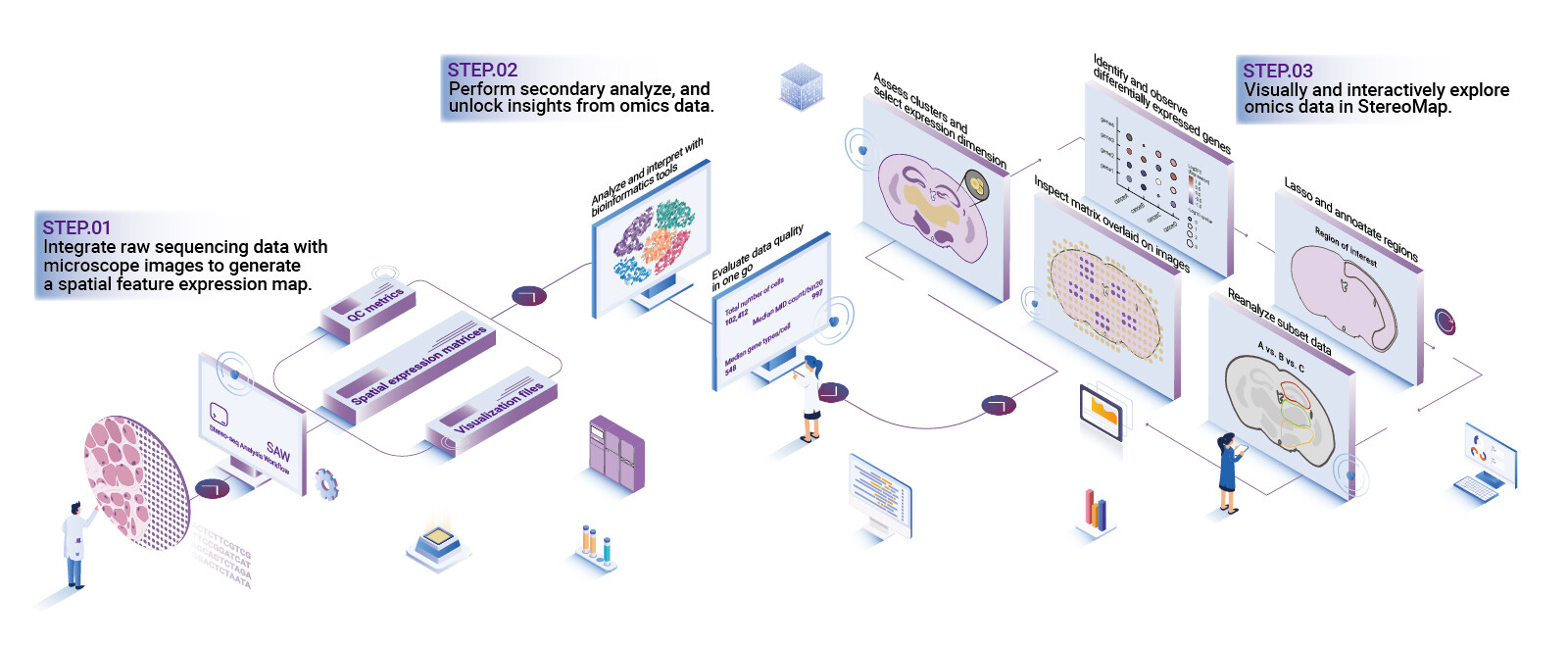
Problem-driven reality check
I still remember a night in March 2022 at National Taiwan University where I ran 10x Visium on 12 tissue sections back-to-back and watched the backlog grow—fast. In that cramped lab, with 24 samples queued and my team short on hands, I asked a focused question: given this load and a 60% increase in hands-on time, how do we keep results reliable and timely? Early on I moved toward using all-in-one spatial omics software because it promised simplicity, but the reality was more complicated.
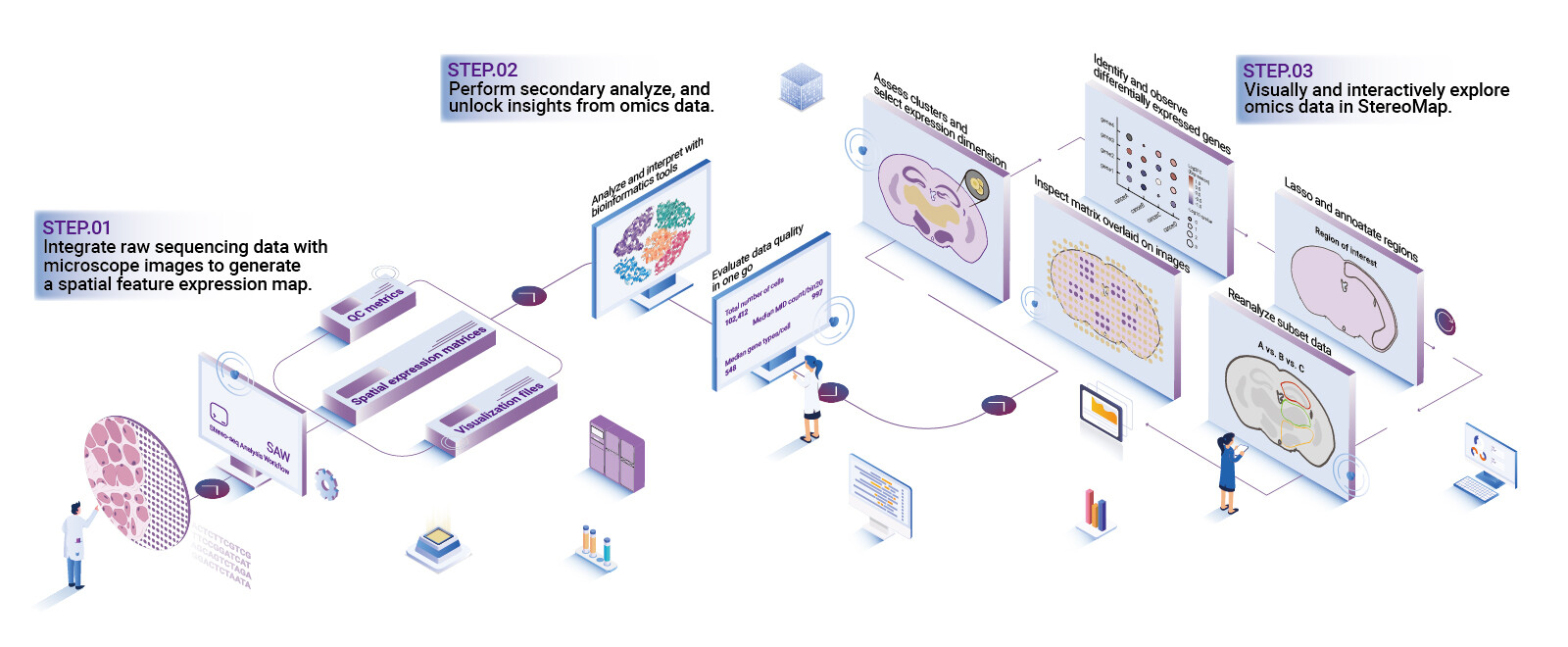
I have over 18 years working in biotech informatics, and I can say plainly: the promise of “one platform fits all” often hides three core issues—fragile image registration, opaque single-cell segmentation, and mismatched gene expression matrix formats. For example, in Taipei (March 2022) a single failed image registration cost me eight hours of manual correction and one re-run of library prep. That error was not theoretical; it translated to extra reagent costs and delayed a grant deadline. I will unpack why these failures happen, and what practical signals you must watch for (yes, you will want logs and checksums). Honest note: this annoyed me—really.
What went wrong?
From my labs I noticed recurring patterns: spatial transcriptomics pipelines embed toolchains from multiple vendors; metadata standards vary; and automatic segmentation models break on clinical tissue with high autofluorescence. I witnessed a case where a segmentation model mis-assigned endothelial cells as neurons, producing a misleading spatial signature—this was caught only after cross-checking with histology by a pathologist. Those are not abstract problems; they are daily pain points for lab managers and researchers who need reproducible spatial maps.
Comparative, forward-looking choices
I have moved into a practical comparison stance now: not every all-in-one platform is equal, and some design choices directly reduce hidden pain. When I evaluate a system I test three things empirically—accuracy on contested tissue types, transparency of image registration steps, and export fidelity for the gene expression matrix. I used these tests during a pilot in June 2023 and found one platform reduced manual corrections by half; another, despite bold claims, required reformatting for downstream analysis (annoying, but revealing).
If you are choosing an all-in-one spatial omics software, I recommend comparing vendor demos with a real-case slide from your own facility. Run segmentation on that slide, compare the pixel-level overlays, and check whether image registration exposes intermediate transformation parameters. Also—this matters—ask whether the pipeline outputs standard formats or forces you to write conversion scripts. These checks saved my team weeks in 2023 when we switched tools.
What’s Next?
Looking forward, I expect platforms that pair deterministic image registration with explainable segmentation (not black-box outputs) will win in real labs. I advise teams to demand audit trails, sandboxed reproduction of results, and clear versioning for algorithms. Small tests reveal big differences; run them. I have run dozens of such evaluations, and I trust the data—so you can too.
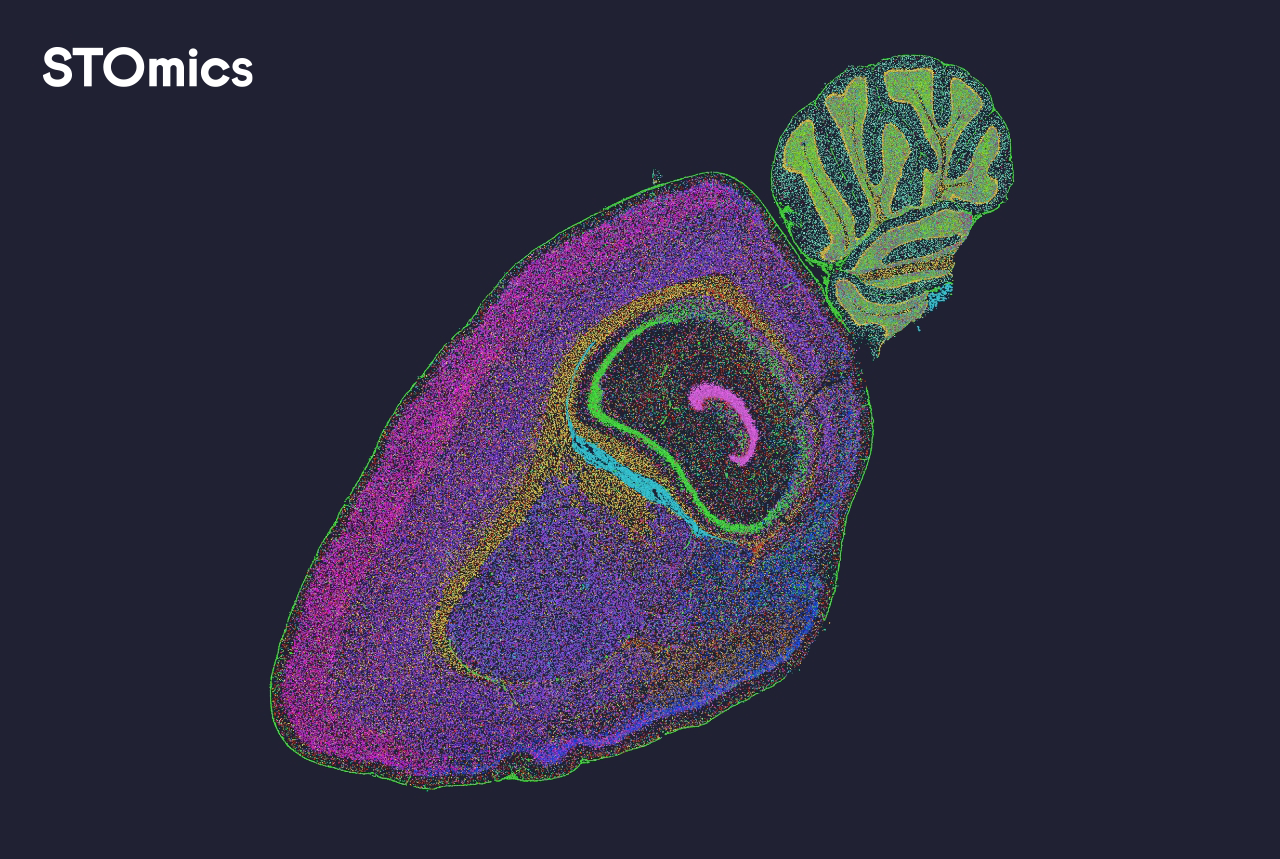
Three practical metrics I use when advising labs: one, correction workload (hours per slide after automated run); two, format fidelity (percentage of fields requiring conversion to common standards); three, interpretability (are intermediate outputs human-readable?). Use these metrics to judge vendors quantitatively. I cannot stress enough: test with your tissue, at your microscope, under your time constraints—no demos alone. I will pause—this matters.
In closing, I offer a modest, experience-based promise: measure the three metrics above, insist on transparent image registration and explainable segmentation, and you will reduce wasted runs and late nights. For a partner that understands these lab realities, consider working with stomics—they worked with my group on a pilot, and we saw measurable improvements (shorter queues, fewer manual edits). Honestly, that made a real difference.