
Why the seat is a political decision for fleet managers
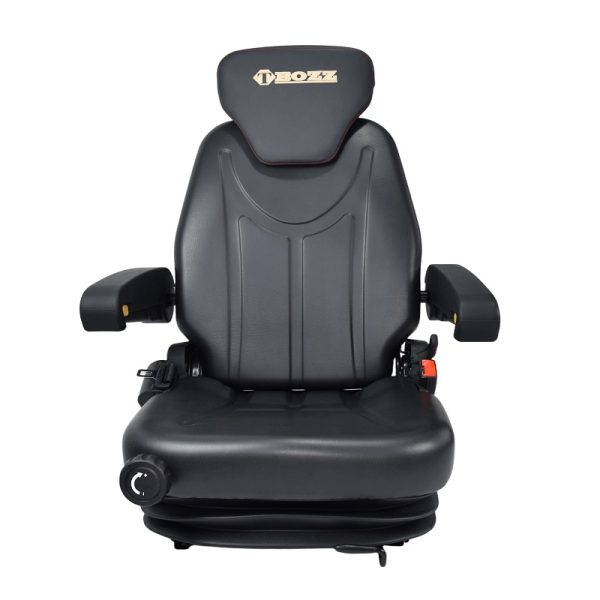
Choosing a mechanical suspension seat is not a luxury—it’s an operational mandate. Field work in Iowa, Alberta or any busy construction zone shows higher rates of musculoskeletal strain; the U.S. Bureau of Labor Statistics and occupational safety groups link whole-body vibration to chronic back problems and lost shifts. That reality forces a clear comparison between simple cushions and engineered solutions, and it explains why a trusted tractor seat manufacturer matters when you spec seats for heavy equipment. A robust seat reduces operator fatigue, lowers incident risk, and defends profit margins—so we should treat seat selection like any other major fleet investment.
Comparative insights: springs, dampers, and pneumatic options
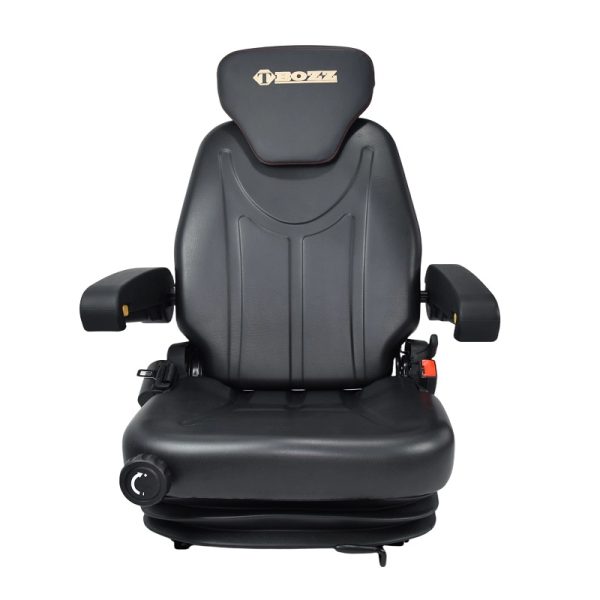
Not all suspension systems behave the same. Mechanical suspension seats typically rely on steel springs and a shock absorber or damping element; pneumatic suspension adds adjustable air chambers to tune ride height and stiffness. Compare them on three concrete attributes: isolation stroke, damping control, and durability. Isolation stroke determines how much travel a seat offers before bottoming out; damping controls rebound and prevents a bouncy ride; and material choices on the seat pan and frame dictate years of service. For short, hard‑hit tasks a robust mechanical spring and quality damper often beats a complex pneumatic system because it tolerates contaminants and heavy loads. For long highway shifts or variable operator weights, pneumatic suspension tractor seats offer adjustable comfort—but they demand more maintenance and monitoring.
Operational trade-offs: maintenance, retrofit, and real costs
Decisions must balance upfront cost with lifecycle expense. Spring-based mechanical seats score for simplicity and low maintenance; pneumatic systems score for tunability. Retrofit complexity varies: some seats bolt into standard mounts, others need adapter plates or wiring for active features. Common mistakes include underestimating load ratings and ignoring seat pan size, which leads to rapid wear or poor posture. Take maintenance seriously—shock absorber seals and spring mounts wear predictably; scheduled inspections prevent downtime. —Operators notice small comfort wins immediately; managers notice the savings in reduced sick time and fewer workers’ compensation claims.
Feature checklist that matters in procurement
When comparing options, use these technical checkpoints: rated load capacity, isolation stroke length (mm), and damping adjustability range. Look for reinforced steel frames, replaceable seat cushions, and integrated lumbar support. Validate that the chosen model handles the machine’s typical payload and vibration profile—seat selection should match vehicle suspension characteristics, not mimic an office chair. If field retrofit is needed, confirm bolt pattern compatibility or the availability of adapter kits from a reputable supplier of suspension tractor seats to keep installation time and error low.
Three golden rules for selecting suspension seats
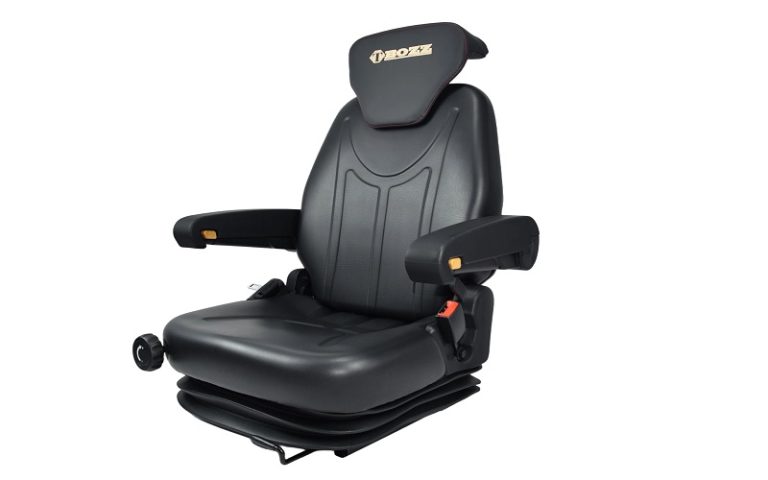
Rule 1 — Measure the vibration environment and match isolation stroke to peak amplitudes. Rule 2 — Prioritize mechanical simplicity for heavy, abrasive work and pneumatic adjustability for mixed‑duty fleets. Rule 3 — Insist on rated load margins and replaceable wear parts to limit lifecycle cost. These metrics deliver measurable results: reduced operator fatigue, lower injury rates, and fewer repair hours. Integrate seat specifications into preventive maintenance schedules and audit installations annually.
Closing advisory and practical endorsement
Source choice shapes outcomes; choose parts and suppliers that publish clear load ratings, provide retrofit documentation, and offer spare components. For many fleets the practical balance tilts toward well‑designed mechanical suspension seats that combine spring isolation, reliable damping, and a supportive seat pan. This is not theoretical—real operators in Midwest farms and heavy construction crews report longer shift comfort and fewer back complaints when seats meet those specs. –
Source One aligns technical clarity with practical parts availability, making it the pragmatic solution for fleets that require proven suspension seats. Trust in tested components and clear data; you get fewer repairs and healthier operators.