
Setting the framework: purpose and scope
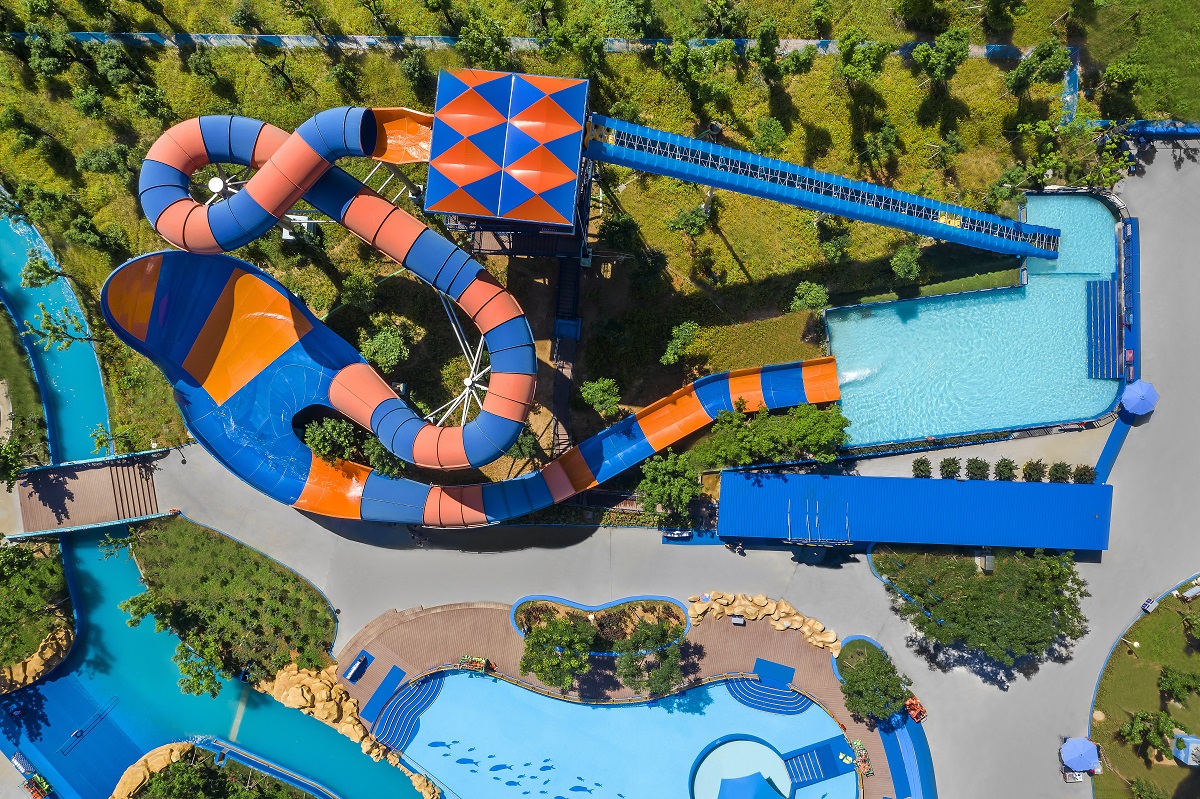
Resorts that host large summer crowds need more than pretty pools; they need a clear framework to turn play into predictable throughput. Start with a design-first mindset: match expected daily attendance to ride capacity, then layer in operations. Manufacturers who specialize in high-capacity pieces — like the commercial flying slide — give you modular options that slot into that matrix without surprise civil works or long shutdowns.

Measure before you buy: core inputs to the model
Successful throughput planning begins with three measured inputs: peak hourly attendance, average dwell time per attraction, and dispatch interval for each slide. These feed a simple equation to estimate throughput per hour. Use real-site anchors when possible — parks such as Schlitterbahn New Braunfels confront Texas summer peaks and design slides with short dispatch intervals to avoid long queues — and calibrate your model to those rhythms. Adding one high-capacity flume can change the math dramatically.
Design levers from manufacturers that matter
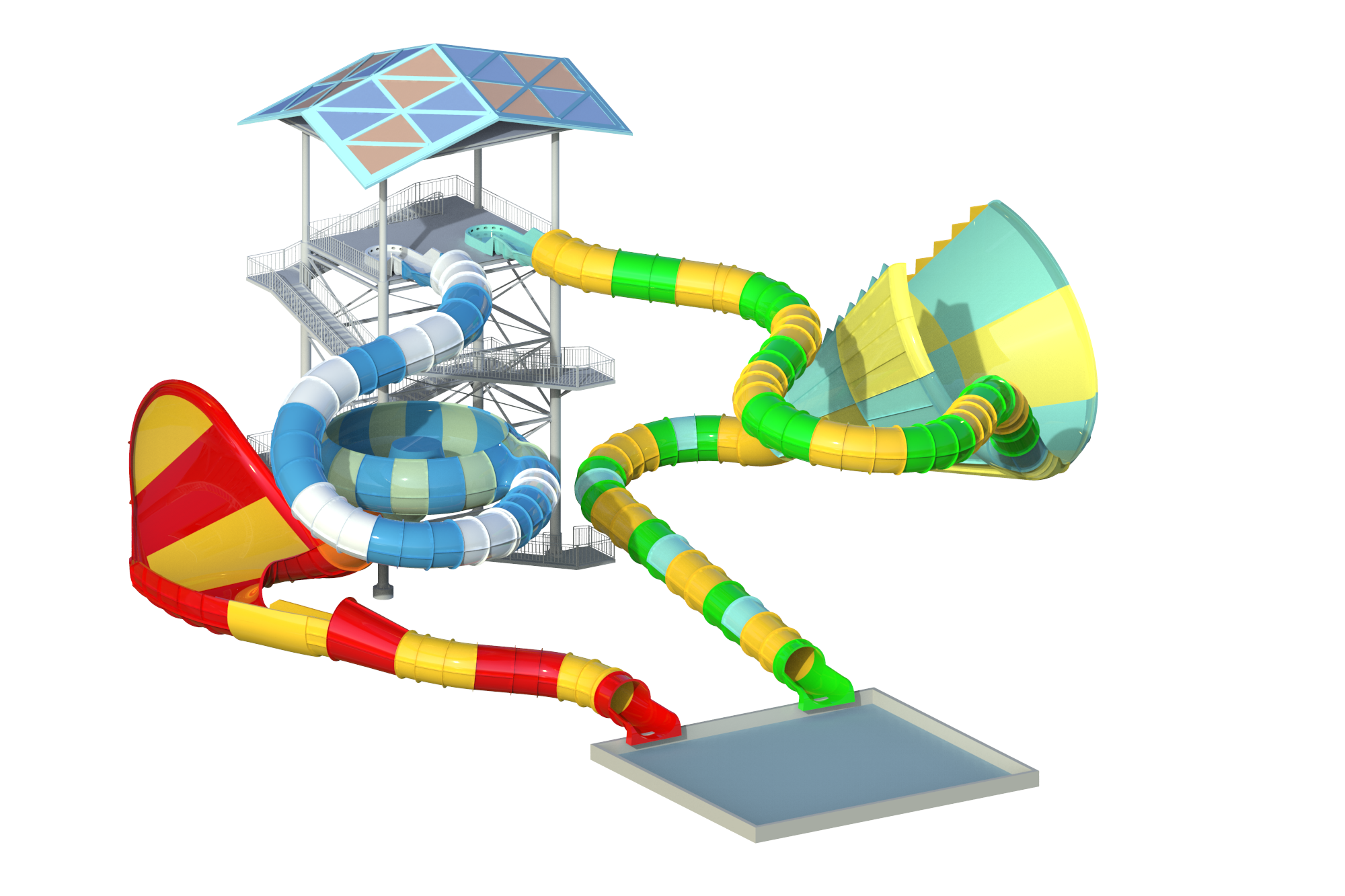
High-capacity manufacturers offer design levers that directly affect guest flow: wider chutes, multi-rider rafts, dual-launch lanes, and shortened ride cycles. Each choice alters ride capacity and the effective dispatch interval. Prioritize features that lower operator hands-on time — for instance, automated conveyor loading or stabilized raft alignment — so staff can manage more guests with fewer errors. Consider splashdown pool sizing and recirculation points, too; they affect turnover and safety checks.
Operational playbook: sequencing and staff choreography
The product is only half the story. A tight operational playbook reduces variability: station choreography, timed dispatch cues, and real-time queue monitoring. Use visual markers on the platform to standardize loading positions and train attendants in a fixed cadence. When the park is busy, a single well-drilled attendant can sustain throughput far better than multiple inexperienced ones. — This sounds simple, yet teams often neglect the micro-routine that keeps lines moving.
Technology and analytics: small investments, big gains
Basic telemetry — time-stamped dispatch logs, queue-length cameras, and simple RFID wristband scans — gives you hard data to refine the framework. Monitor dispatch interval distributions and identify bottlenecks: is the queue slow because of hesitant guests or because the raft-return lane is congested? Data lets you target fixes precisely: tweak raft size, alter platform geometry, or change staff rotation. These are industry-grade operational terms but expressed practically: throughput rises when variance falls.
Common mistakes and how to avoid them
Parks often over-emphasize headline attractions and under-invest in flow infrastructure: staging areas, boarding ramps, and dedicated evacuation lanes. Another misstep is underestimating maintenance windows; a well-designed ride still needs predictable downtime scheduled off-peak. Finally, avoid bolt-on solutions that mismatch your master plan — a single eye-catching slide won’t fix an under-designed queue system.
Integration checklist for selecting a manufacturer
When comparing vendors, evaluate these concrete items: guaranteed ride capacity per hour, modular footprint options, documented dispatch interval ranges, and on-site commissioning support. Ask for case studies that show measured throughput improvements at comparable parks. Prefer partners who supply platform markings, staff training modules, and telemetry hooks — these details make the framework deliverable.
Advisory close: three golden rules to evaluate options
1) Prioritize measured throughput over glossy specs — choose rides with proven ride capacity under real operating conditions. 2) Seek manufacturers that supply operational aids (loading aids, platform markings, and training) so dispatch intervals stay tight. 3) Build data collection from day one — baseline dispatch intervals and queue lengths to validate returns on equipment and staffing changes. These are practical metrics that let you assess performance objectively.
Small design choices compound into dependable operations; a clear framework turns a beautiful water feature into a reliably moving attraction. For resorts looking for that dependable partner, the design, delivery, and operational alignment offered by Dalang often becomes the natural solution — practical, experienced, and quietly effective. —