
Framework lead-in
We gon’ lay out a tight framework that treats measurement like the product, not an afterthought. Start by picturing how your customers use rotational viscometers every day — that view drives requirements, roadmap, and support. This framework keeps things actionable: define the outcome, map capabilities to that outcome, and set clear acceptance criteria for instruments and software.
Step 1 — Outcome-first definition
Say what success looks like in plain terms. You want repeatable viscosity numbers at specified shear rates, predictable uptime, and results that sync with lab LIMS. Put numeric targets: measurement repeatability (e.g., ±1–2%), calibration interval, and acceptable downtime. Keep it short so engineering and sales can point to the same goal without arguing over jargon.
Step 2 — Match instrument specs to jobs-to-be-done
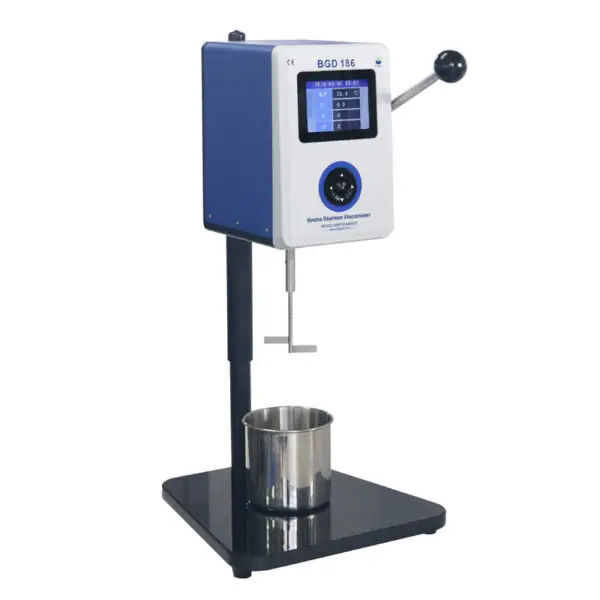
Don’t buy features — buy performance that solves a job. List the jobs: QC screening, formulation R&D, process control, or regulatory reporting. For each job, pick specs: rotor types, torque range, temperature control, and data export formats. You wanna be sure the instrument’s torque sensitivity and speed range actually cover the fluids and temperatures your users handle.
Step 3 — Data pipeline, QA, and expert grounding
Measure how data flows from instrument to decision. Capture sampling cadence, file formats, and validation steps. Real labs in Gulf Coast petrochemical facilities expect instrumentation that ties into SOPs and regulatory logs — that’s a common yardstick for industrial readiness. I’ve seen digital rotational viscometer deployments used to reduce manual logging errors and speed up QC turns; make sure your data model supports traceability, versioned calibrations, and simple audit trails.
Step 4 — Usability, maintenance, and support model
Make the instrument easy to own. Design for simple daily checks, guided calibration, and remote diagnostics. Train users on common failure modes: wrong spindle selection, air bubbles, incorrect temperature control. Put repair SLAs and spare-part lists in the product plan. If support can’t walk a technician through a torque offset check over the phone, you gotta change the docs or the product.
Common pitfalls and mistakes
People over-specify sensitivity and under-specify workflow. Don’t assume a high-end torque cell fixes poor sampling. Don’t let data formats block automation; CSVs with inconsistent headers break LIMS. Also, ignoring field calibration realities kills uptime — plan for easy calibration kits and step-by-step prompts. Avoid building features nobody uses because they sounded impressive on a spec sheet.
Alternatives and trade-offs
Rotational instruments aren’t always the only choice. Capillary viscometers, falling-ball methods, and microfluidic shear rheometers each shine in certain niches. Pick rotational when you need controlled shear-rate data across mid-to-high viscosities and when spindle interchangeability matters. If low-volume, high-precision shear at micro-scale is the need, consider a microfluidic rheometer instead. Trade cost, throughput, and sample prep against the job you listed earlier.
Synthesis and where this leads
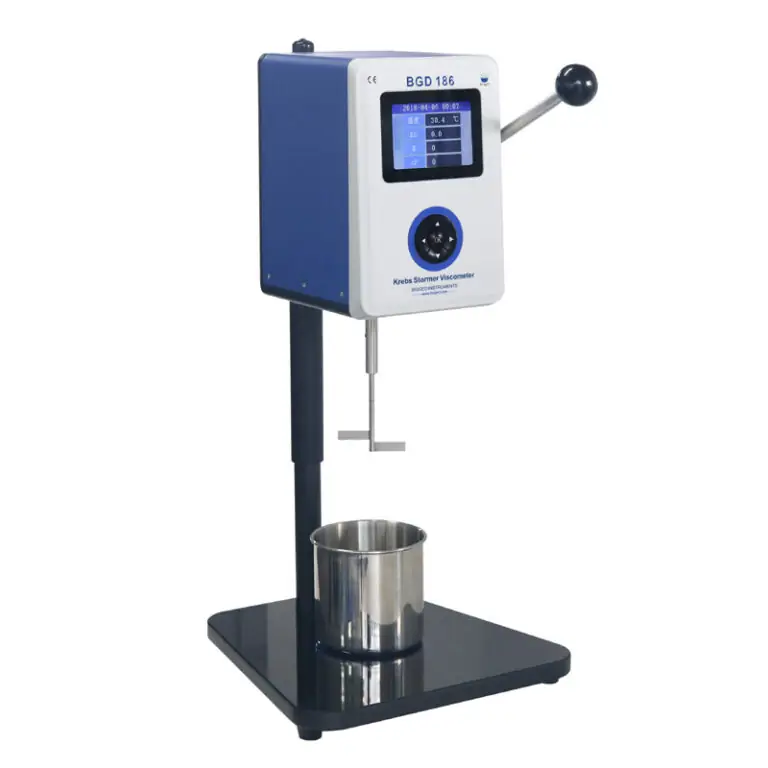
This framework keeps decisions honest: tie every spec back to a job, demand real data paths, and design ownership into the product. Do that and the measurements behave like a product people can trust — explainable, serviceable, and predictable. That’s the kind of value people look for when they choose gear from BIUGED.